
How To
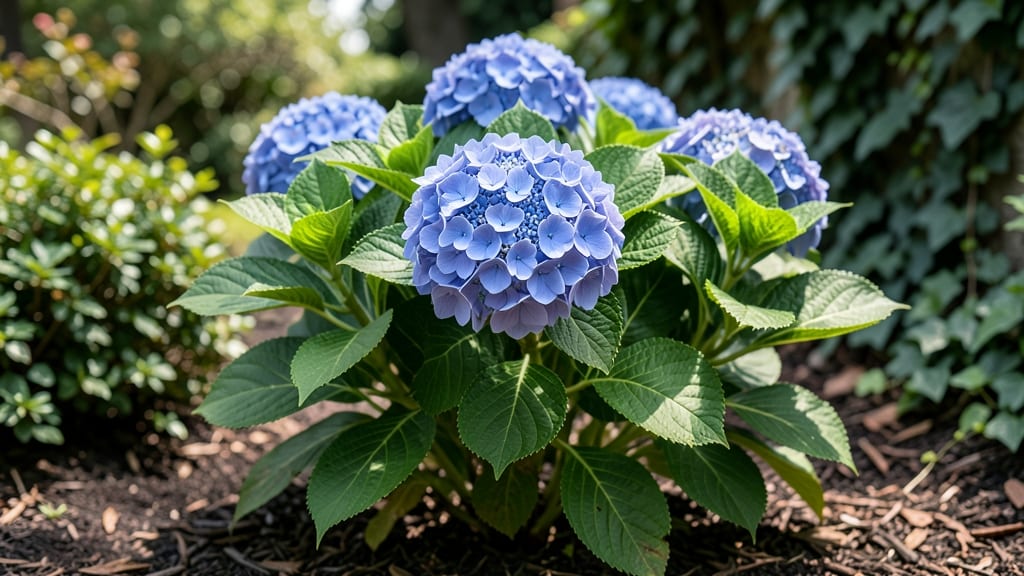
If you're dreaming of lush, show-stopping blooms but worried about your hydrangeas 🌸 turning into unruly giants, you might be wondering how tall a hydrangea can grow.
The truth is, their height depends entirely on the variety—and getting this right could mean the difference between a thriving garden feature and a pruning nightmare.
From dainty 2-foot dwarf varieties that fit perfect in containers to towering 8-foot giants that steal the show in backyard borders, hydrangeas offer options for every space. But here's the kicker: their growth habits change dramatically based on sunlight, soil, and—you guessed it—how aggressively you prune them.
Whether you're planning a cozy patio garden or a grand landscape statement, knowing these height ranges helps you pick the perfect variety for your vision.
I'll break down the exact mature sizes for popular types, plus pro tips to keep them at your ideal height—no matter how much space you've got.
Ready to choose a hydrangea that fits your garden like a glove? Let's dive into the numbers so you can plant with confidence and prune like a pro.


Hydrangea height by variety: exact growth ranges for pruning & garden design
Hydrangeas are like the divas of the garden—beautiful but demanding when it comes to space. Their mature height can range from compact 2-foot shrubs to towering 10-foot giants, depending on the variety.
Understanding these differences is key to choosing the right type for your garden layout, fence height, or container size.
Not all hydrangeas grow the same way. Mophead hydrangeas (like 'Endless Summer') typically reach 3-5 feet tall, while panicle hydrangeas (such as 'Limelight') can soar to 8-12 feet. Even within a single species, dwarf varieties exist—like the 2-foot-tall 'Mini Penny'—that are perfect for small spaces or containers.
Here’s the game-changer: pruning habits drastically alter growth. Some varieties bloom on old wood (last year’s growth), while others bloom on new wood (current year’s growth). This affects when—and how much—you can trim without sacrificing flowers.
For example, oakleaf hydrangeas (4-6 feet tall) need minimal pruning, but smooth hydrangeas (6-8 feet) thrive with aggressive annual cuts.
Your garden’s sunlight and soil also play a role. Full sun can push some varieties taller, while partial shade keeps them more compact. Well-draining, acidic soil (pH 5.0-6.0) encourages lush growth, while poor soil can stunt even the hardiest types.
Let’s break down the most popular hydrangea varieties by their mature height, growth habits, and pruning needs so you can plan your garden like a pro.
Now that you know the height ranges, here’s how to use this info for your garden. If you’re working with limited space, dwarf varieties like 'Mini Penny' or 'Little Lime' are perfect for containers or small borders.
For statement plants, panicle hydrangeas like 'Limelight' create dramatic vertical interest against fences or walls.
For layered garden beds, pair a 3-foot mophead in front with a 6-foot oakleaf behind it. This creates depth while keeping the taller variety from overwhelming the space. And if you love cut flowers, panicle hydrangeas are your best bet—their long, cone-shaped blooms last weeks in a vase.
One more thing: soil pH affects height. Acidic soil (pH 5.0-6.0) encourages vibrant blooms and fuller growth, while alkaline soil can stunt hydrangeas. Test your soil and amend with sulfur or peat moss if needed to keep your hydrangeas reaching their full potential.
Ready to pick the perfect hydrangea for your space? Start by matching the variety’s mature height to your garden’s layout—and don’t forget to factor in pruning needs! Whether you’re dreaming of a romantic cottage border or a modern urban container garden, there’s
Best hydrangea types for small spaces vs. large gardens: height-specific recommendations
Choosing the right hydrangea variety depends entirely on your garden’s available space. Some varieties stay compact enough for containers or window boxes, while others reach towering heights perfect for privacy screens or backyard focal points.
Let’s break down the best options for every space—so you can pick plants that fit your vision without compromising on beauty.
For small gardens or urban balconies, dwarf varieties like Mini Penny™ or Little Lime® hydrangeas top the list. These stay under 3 feet tall, making them ideal for pots, hanging baskets, or tight borders.
Their smaller size also means they bloom earlier and more reliably, giving you year-round color in limited space.
🌱
- Mini Penny™: 2-3 ft, compact blooms, great for containers
- Little Lime®: 2-3 ft, lime-green flowers, drought-tolerant
- Endless Summer® 'Blushing Bride': 3-4 ft, reblooming, fits small gardens
- Oakleaf Hydrangea: 4-6 ft, stunning fall foliage, adaptable
- Limelight®: 5-6 ft, upright growth, bold lime blooms
- Vanille Fraise®: 4-5 ft, fragrant pink flowers, reblooms
- Grandiflora Hydrangea: 8-12 ft, classic mophead blooms, dramatic height
- Quick Fire®: 7-8 ft, vibrant red blooms, fast-growing
- Annabelle®: 6-8 ft, white blooms, thrives in full sun
If you’re working with limited vertical space, consider trellising or espalier techniques for taller varieties like panicle hydrangeas. These can be trained to grow upward along fences or walls, saving ground space while still making a statement.
For containers, prioritize dwarf varieties and ensure your pot has drainage holes—hydrangeas hate soggy roots!
For large gardens or privacy screens, varieties like Grandiflora or panicle hydrangeas shine. These can reach 10+ feet tall and create a lush, green backdrop that blooms from summer to fall. Pair them with evergreens or climbing roses for a layered, year-round garden effect.
No matter your space, pruning plays a huge role in controlling height. For dwarf varieties, a light trim after blooming keeps them tidy, while taller types benefit from structural pruning in late winter to encourage bushier growth. Always use sterilized shears to prevent disease spread!
Ready to pick the perfect hydrangea? Start by measuring your space—then choose a variety that fits like a glove. Your garden (and your neighbors!) will thank you for the thoughtful design.