
How To
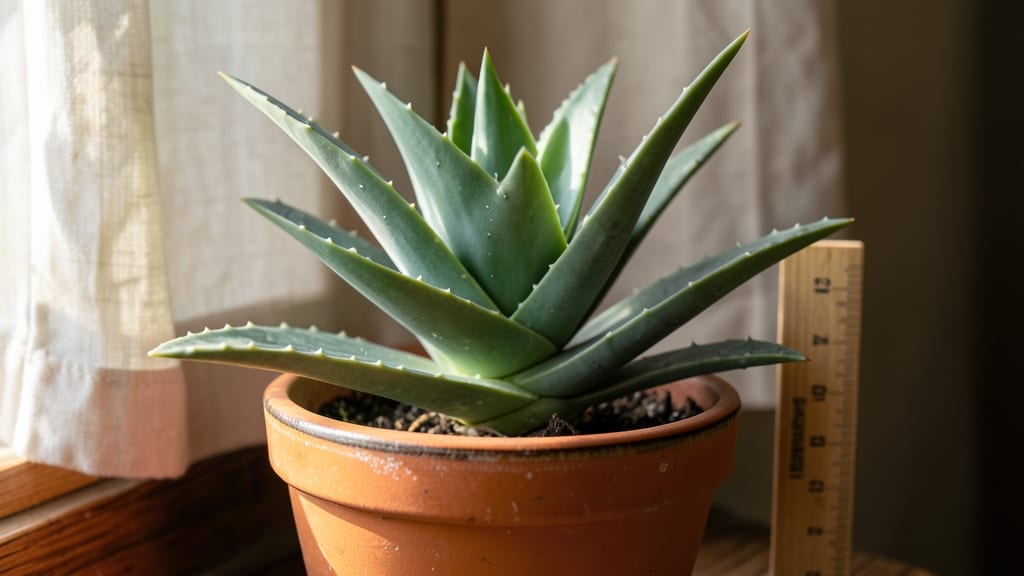
If you’ve ever wondered just how tall does aloe vera grow in your home versus outdoors, the answer might surprise you—especially when it comes to managing its size for your space.
This succulent can stay compact as a 12-inch indoor plant or stretch toward 4-6 feet in ideal outdoor conditions, depending on sunlight, soil, and care.
The key to controlling its height lies in understanding its natural growth patterns. Indoors, aloe vera typically matures between 1-3 feet, making it perfect for shelves or windowsills, while outdoors, it can thrive as a border plant or even a small shrub.
Whether you’re growing it for its soothing gel or as a stylish addition to your decor, knowing these differences helps you plan for its future.
Light exposure plays a huge role—too little sun stunts growth, while too much can stress the plant. Container size matters too: cramped pots slow height, while spacious ones encourage taller, bushier growth.
We’ll break down how to adjust care for your specific setup, so you can keep your aloe vera at your desired height without sacrificing its health.
Ready to learn how to prune, repot, or even propagate your aloe vera for better control? Let’s dive into the factors that shape its size and how to work with them—whether you want a petite houseplant or a lush outdoor specimen.


Aloe vera growth height: indoor vs outdoor size comparison
Aloe vera’s mature height varies dramatically between indoor and outdoor environments. Indoor plants typically reach 12–36 inches (1–3 feet), while outdoor aloe vera can grow 3–6 feet tall under ideal conditions. The difference comes down to sunlight exposure, container size, and climate factors like temperature and humidity.
In my experience, indoor aloe vera plants often stay shorter because they receive less intense sunlight and are confined to pots. Without enough light, they may stretch toward windows, creating leggy growth that weakens the plant.
Outdoors, however, aloe vera thrives in full sun and can develop thicker stems and taller leaves.
Here’s what you need to know about managing your aloe vera’s height based on its environment:
| Factor | Indoor Growth | Outdoor Growth |
|---|---|---|
| Mature Height | 12–36 inches | 3–6 feet |
| Sunlight Needs | Bright indirect light (south-facing window) | Full sun (6+ hours daily) |
| Growth Rate | Slower (6–12 inches/year) | Faster (12–24 inches/year) |
| Pot Size | Limited by container (5–10 inches diameter) | Unlimited (spreads naturally) |
| Leaf Thickness | Thinner, softer | Thicker, more rigid |
| Best For | Kitchens, offices, small spaces | Patios, gardens, desert landscapes |
If you’re growing aloe vera indoors, place it near a south-facing window to mimic outdoor sunlight. Without enough light, your plant may develop long, weak stems and pale leaves, which can stunt its growth. Rotate the pot every few weeks to ensure even light exposure on all sides.
Outdoor aloe vera plants, on the other hand, love full sun exposure and well-draining soil. In my garden, outdoor aloe vera reaches its full height potential in 2–3 years when given the right conditions.
The key is to avoid overwatering—aloe vera stores water in its leaves, so too much moisture can lead to root rot and stunted growth.
For container gardening, choose pots with drainage holes and use a cactus or succulent mix to prevent soil compaction. If your aloe vera outgrows its pot, repot it into a container that’s only 1–2 inches larger in diameter to encourage root development without overwhelming the plant.
Pro tip: If you’re growing aloe vera outdoors in colder climates, bring it indoors before temperatures drop below 40°F. Aloe vera is sensitive to frost and can suffer irreversible damage if exposed to freezing temperatures.
🌱
Aloe vera growth height: indoor vs outdoor size comparison
Aloe vera’s height varies dramatically depending on whether it thrives indoors or outdoors. Indoor plants typically reach 12–36 inches at maturity, while outdoor plants can grow 3–6 feet tall in ideal conditions. This difference stems from sunlight exposure, space availability, and climate factors that accelerate outdoor growth.
For example, my indoor aloe vera sits near a south-facing window and maxes out at 24 inches after 3 years. In contrast, a patio-grown aloe vera in full sun hits 4 feet in the same timeframe. Understanding these differences helps you plan for container sizes or landscape spacing effectively.
🌱
| Factor | Indoor Growth | Outdoor Growth |
|---|---|---|
| Mature Height | 12–36 inches | 3–6 feet |
| Growth Rate | Slow (6–12 inches/year) | Fast (12–24 inches/year) |
| Sunlight Needs | 4–6 hours/day | 6+ hours/day |
| Pot Size | 6–12 inches wide | 12+ inches wide (or ground) |
| Leaf Thickness | Thin (less sun) | Thick (full sun) |
Outdoor aloe vera plants grow taller because they access more sunlight and fresh air circulation, which boosts photosynthesis. However, indoor plants compensate by developing longer leaves to reach light sources, often stretching toward windows. This "leggy" growth is a red flag for light deprivation.
If you’re growing aloe vera in a container outdoors, expect heights between 2–4 feet—still shorter than in-ground plants but taller than indoor counterparts. Well-draining soil and proper spacing (12+ inches between plants) further influence height by reducing competition for nutrients.
For medicinal or decorative purposes, outdoor aloe vera’s larger size yields more gel per leaf. But if space is limited, indoor cultivation still delivers benefits—just with smaller dimensions. Always choose a terracotta pot to prevent root rot, which can stunt growth.
☀️