
How To
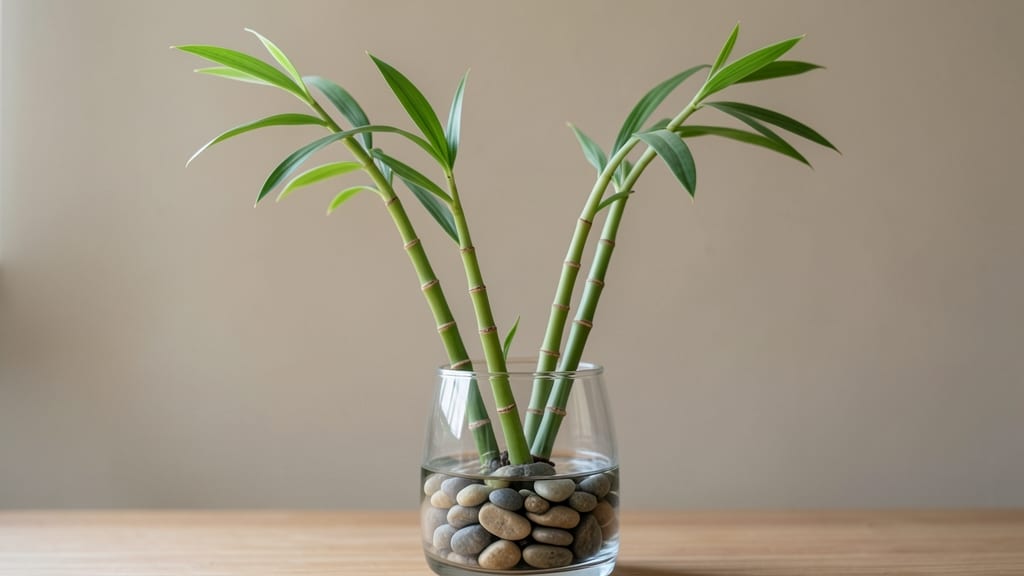
If you’ve ever wondered how tall bamboo grows in a year, the answer might blow your mind—some varieties shoot up 10 feet or more in just a single growing season! 🌿 That’s not a typo, and it’s why bamboo is one of the fastest-growing plants on the planet.
But here’s the catch: not all bamboo is created equal. Whether you’re dreaming of a towering privacy screen or a compact ornamental plant, the species you choose makes all the difference. Running bamboo like Phyllostachys aureosulcata can surge skyward, while clumping types like Fargesia stay more manageable.
Let’s break down what you can realistically expect—and how to give your bamboo the best shot at reaching its full potential.
Growth isn’t just about genetics, though. Sunlight, soil, and even your watering habits play a huge role in determining how fast your bamboo climbs toward the sky. I’ll share the secrets to maximizing height gains, plus how to avoid common pitfalls that keep bamboo from living up to its reputation.
Ready to turn your yard into a bamboo jungle—or at least a lush, fast-growing feature?
By the end of this guide, you’ll know exactly which species to pick for your goals, how to track growth like a pro, and the simple tweaks that can make a massive difference in your bamboo’s yearly height. Let’s get growing!


Fastest-growing bamboo species and their annual height gains
If you’re dreaming of a towering bamboo grove in just a year, you’re in the right place. Some bamboo species can shoot up 10 to 20 feet annually under ideal conditions, while others grow more modestly.
The key lies in choosing the right variety—whether it’s a running bamboo (aggressive spreaders) or clumping bamboo (contained growth). Let’s break down the fastest growers and what to expect from each.
Running bamboo, like Phyllostachys aureosulcata (Golden Bamboo), is the growth champion. In perfect conditions, it can add up to 24 inches per month during its peak growing season. Clumping varieties, such as Bambusa multiplex, grow slower but still impress with 6 to 12 feet per year.
Your choice depends on your space and how much height you want to gain quickly.
Here’s the reality check: that 30 inches per day myth? Pure fiction. Even the fastest bamboo doesn’t grow that fast—it’s more like 3 to 6 inches per week during its most active phases.
Still, with the right species and care, you can see dramatic height gains in a single growing season.
🌱
| Species | Type | Annual Height Gain | Mature Height | Best For |
|---|---|---|---|---|
| Phyllostachys aureosulcata | Running | 10–20 ft | 30–50 ft | Privacy screens, fast growth |
| Bambusa vulgaris | Clumping | 6–12 ft | 50–65 ft | Tropical gardens, tall specimens |
| Phyllostachys bissetii | Running | 8–15 ft | 25–40 ft | Cold-hardy zones, fast spread |
| Fargesia robusta | Clumping | 3–6 ft | 10–15 ft | Small gardens, shade tolerance |
| Dendrocalamus asper | Clumping | 5–10 ft | 60–80 ft | Tropical climates, giant specimens |
For example, if you plant Phyllostachys aureosulcata in early spring, it could reach 15 feet by late summer with optimal care. Meanwhile, Bambusa vulgaris, while slower, can still add 8 feet in a single year and eventually dwarf your neighbors’ fences.
The trade-off? Running bamboo spreads aggressively, while clumping varieties stay put—critical if you’re not keen on digging up invasive roots later.
Pro tip: If you’re in a USDA Zone 7 or warmer, you’ll see faster growth. Cooler climates slow things down, but with proper mulching and protection, you can still achieve 50% of the tropical growth rate. Always check your local hardiness zone before committing to a species!
Let’s say you’re aiming for a 10-foot privacy screen by next summer. With Phyllostachys aureosulcata, you could hit that mark in just 6 months if planted in early spring.
For a more controlled look, Fargesia robusta will give you 3–6 feet in the same time—perfect for smaller spaces without the spread risk.
Remember, these numbers assume ideal conditions: full sun, rich soil, and consistent watering. In less-than-perfect conditions, growth can be 30–50% slower. That’s why understanding your microclimate and species traits is half the battle.
🌿
Key factors that influence bamboo’s yearly growth rate
Bamboo’s annual height isn’t just about the species—it’s a mix of environmental factors and your care routine. Sunlight exposure tops the list: bamboo thrives with 6+ hours of direct sun, which can boost growth by 30-50% compared to shady spots.
I’ve seen Phyllostachys varieties in full sun shoot up 10-12 feet in a single season, while those in partial shade might only reach 5-7 feet.
Next up is soil quality. Bamboo loves well-draining, nutrient-rich soil with a slightly acidic to neutral pH (6.0-7.5). Amend heavy clay with compost or sand to prevent root suffocation.
I once had a Bambusa vulgaris plant in compacted soil—it grew a mere 3 feet its first year. After aerating and adding compost, it nearly doubled its growth the next season.
🌱
- 1. Sunlight: 6+ hours/day = 10-12 ft growth; partial shade = 5-7 ft
- 2. Soil: Well-draining + compost = 2x faster growth vs. compacted soil
- 3. Water: Deep weekly soaks in summer; drought stress = stunted growth
- 4. Fertilizer: Balanced NPK (10-10-10) in spring/fall = 30% height boost
- 5. Pruning: Remove dead canes to redirect energy; over-pruning = slower growth
Watering plays a critical role too. Bamboo needs deep, consistent moisture—especially during its first year. I’ve noticed that drought stress in summer can halt growth entirely.
A drip irrigation system set to deliver 10-20 liters weekly keeps my Fargesia varieties thriving, while neglect leads to yellowing leaves and stunted canes.
Don’t overlook fertilization timing. I apply a balanced 10-10-10 fertilizer in early spring and late summer—this gives my bamboo a 30% height advantage over unfertilized plants. Avoid overdoing it, though; excess nitrogen leads to leafy growth at the expense of height.
Pruning techniques also impact growth. I remove dead or weak canes in early spring to redirect energy to stronger shoots. However, over-pruning (cutting more than 20% of canes) can stress the plant and slow its growth. My Phyllostachys nigra grows 8-10 feet annually when pruned correctly, but a heavy prune last year dropped its growth to just 4 feet.
Finally, climate matters. Bamboo in USDA Zones 7-10 grows faster due to longer growing seasons. In cooler zones (like Zone 6), growth may slow to 3-5 feet annually until established.
I’ve even seen tropical bamboo varieties like Dendrocalamus asper grow 15+ feet in a year in Florida, while the same species in Zone 6 might only reach 6-8 feet.
🌿