
How To
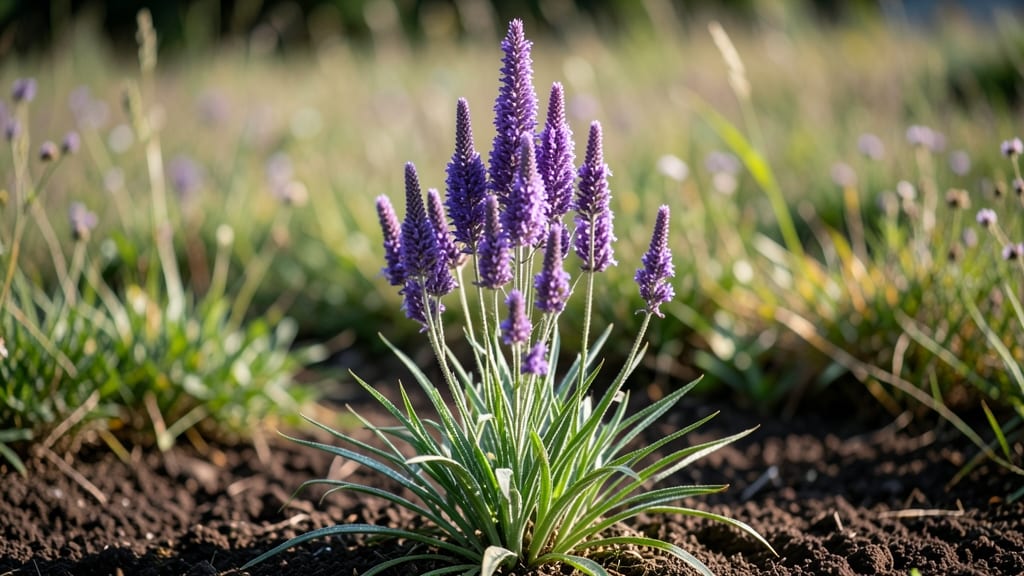
If you're wondering how tall does Blazing Star grow, the answer might surprise you—this native pollinator magnet can stretch from just 1 foot to a dramatic 5 feet depending on the variety and growing conditions.
Whether you're planning a wildflower meadow or a compact border, knowing these height ranges is the key to creating the perfect backdrop for your garden vision.
Blazing Star 🌸 isn't just one-size-fits-all—some dwarf cultivars barely reach your knees, while others tower over you like a native obelisk.
The difference comes down to species, soil quality, and sunlight exposure, which means you can choose the perfect height for your space without sacrificing those buzzing bees and fluttering butterflies.
What's even more exciting? This plant's vertical growth habit makes it a game-changer for layered garden designs. Imagine the drama of a 4-foot Blazing Star spiking above your shorter perennials, or how a 2-foot variety could anchor a pollinator-friendly border.
Let's break down exactly how to match the right height to your garden goals.
From compact varieties that fit snugly in containers to towering specimens that command attention in meadows, Blazing Star's height flexibility means you're not limited by space or style.
Ready to discover which size works best for your landscape? Let's dive into the details that will help you grow this beauty to perfection.


Blazing star height by variety: from compact to towering
Blazing star (Liatris spp.) offers a stunning range of heights, from compact cultivars perfect for containers to towering varieties that dominate borders. The mature height of each variety directly impacts your garden design—whether you're creating a pollinator meadow or a structured perennial bed.
Most blazing star varieties thrive in USDA Zones 3–9, but their height potential depends on genetics, sunlight exposure, and soil quality. For example, Liatris spicata (the most common species) typically reaches 3–5 feet, while dwarf varieties like 'Kobold' stay under 18 inches.
Here’s how blazing star’s height varies by cultivar and growing conditions, with practical tips for placement in your garden:
If you're planting blazing star in containers, choose dwarf varieties like 'Kobold' or 'Rocket' (2–3 ft). For pollinator gardens, taller species like Liatris spicata or Liatris ligulistylis create vertical interest while providing nectar for bees and butterflies from mid-summer to fall.
Soil moisture plays a surprising role in height. Overly rich, moist soil can lead to floppy stems in taller varieties, while dry, well-draining conditions encourage sturdy growth. Always plant in full sun (6+ hours daily) to maximize blooming and structural integrity.
For first-year growth, expect blazing star to reach only 20–30% of its mature height. This slow-and-steady approach helps roots establish deeply, ensuring stronger stems in subsequent years.
In my own garden, I’ve seen 'Kobold' hit 18 inches by year two and 'Wild Bergamot' surge to 4 feet by year three.
Pro tip: Stake taller varieties (3+ ft) in windy areas to prevent leaning. Use ornamental grasses or shrubs as natural supports—just be sure to space them 12–18 inches away to avoid competition.
🌱
Blazing star height by variety: from compact to towering
Blazing star (Liatris spp.) offers a stunning range of heights, from compact 1-foot dwarfs to towering 5-foot giants. The variety you choose will determine whether it becomes a low-border accent or a dramatic vertical statement in your pollinator garden.
Understanding these differences helps you select the perfect cultivar for your space and design goals.
Most blazing star varieties fall into three height categories: dwarf (1–2 ft), medium (2–3 ft), and standard (3–5 ft). The tallest cultivars like Liatris spicata 'Floristan White' can reach up to 5 feet, while dwarf varieties like Liatris spicata 'Kobold' max out at just 12–18 inches.
This variation lets you mix heights for layered garden effects.
| Variety | Mature Height | Best For | Notes |
|---|---|---|---|
| Liatris spicata 'Kobold' | 12–18 in | Containers, borders | Dwarf, compact, great for small gardens |
| Liatris spicata 'Floristan White' | 3–5 ft | Back of borders, meadows | Tallest cultivar, striking white blooms |
| Liatris pycnostachya 'Kannapolis' | 2–3 ft | Pollinator gardens, wildflower mixes | Heat-tolerant, long bloom season |
| Liatris spicata 'Alba' | 2–3 ft | Cut flowers, cottage gardens | Pure white blooms, sturdy stems |
| Liatris microcephala (Dwarf Blazing Star) | 1–2 ft | Rock gardens, xeric landscapes | Drought-tolerant, smaller blooms |
🌱 Height Tip: Always check your specific cultivar—some "standard" varieties can exceed 5 ft in ideal conditions!
Height isn't the only factor—growth habit matters too. Some blazing star varieties grow in tight clumps, while others send up single, slender stems that may need staking.
For example, Liatris spicata 'Goblin' stays under 2 feet but produces dense clusters, making it perfect for ground covers or container gardens. Meanwhile, the tallest varieties like 'Floristan White' benefit from group planting to create a wow factor in meadow-style gardens.
If you're working with limited space, prioritize dwarf or semi-dwarf varieties like 'Kobold' or 'Alba'. These thrive in containers, window boxes, or front borders while still attracting bees, butterflies, and hummingbirds.
For backyard focal points, the tallest blazing stars (3–5 ft) pair beautifully with coneflowers, black-eyed Susans, and switchgrass for a native prairie feel.
One often-overlooked detail is how soil and sunlight influence height. Blazing star grown in full sun with well-draining soil will reach its maximum potential height, while shadier conditions or poor soil can stunt growth by 20–30%.
For instance, a 'Floristan White' might only hit 3 feet instead of 5 feet if planted in partial shade. Always match your variety to your microclimate for the best results.
For container gardening, choose dwarf varieties or prune taller ones to fit your pots. A 5-gallon container can comfortably hold a 2-foot-tall blazing star, while 1-gallon pots work for 1-foot dwarfs.
Just ensure your container has drainage holes—blazing star hates soggy roots and may flop over if overcrowded. Mulch around the base to retain moisture and encourage sturdy stems.
🌿 Whether you're dreaming of a wildflower meadow or a neat pollinator border, blazing star's height range gives you endless design possibilities.
Start with one or two varieties to test what thrives in your space, then expand your collection as you fall in love with this low-maintenance, high-impact native beauty.