
How To
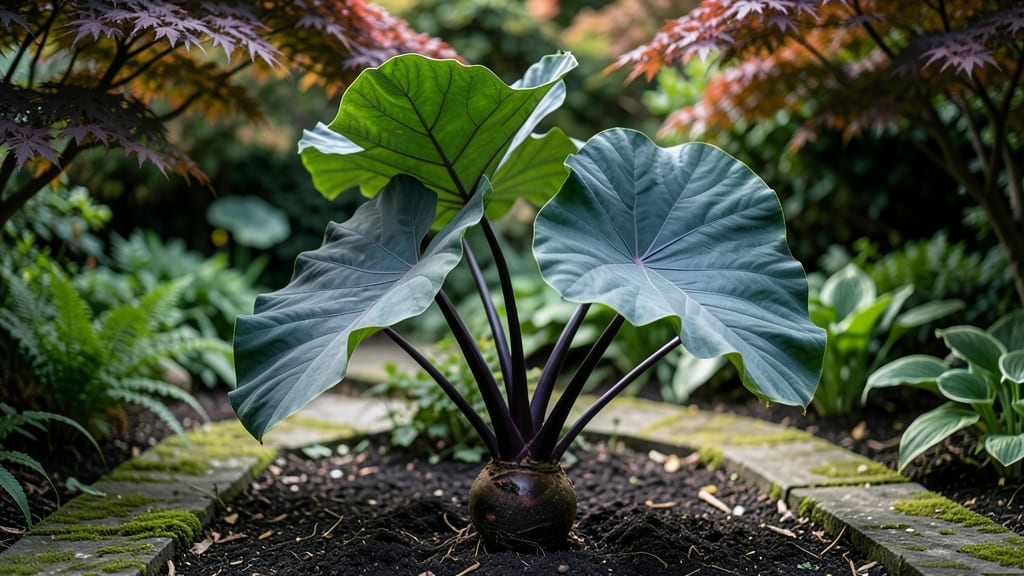
Wondering how tall those stunning Elephant Ear 🌿 plants can grow in your garden? The answer might surprise you—some varieties reach heights that dwarf even the tallest gardeners!
From compact 2-foot dwarf types to towering 6-foot giants, the size of your Elephant Ear depends on the variety and growing conditions. Whether you're planning a lush tropical border or a container garden, knowing these heights helps you space plants perfectly for maximum impact.
Sunlight, soil quality, and even your USDA Zone 6a climate play a role in how big they get. I’ll break down the height ranges by popular varieties and share pro tips to keep them thriving—without them taking over your yard.
Ready to transform your garden with these bold, statement-making plants? Let’s dive into the specifics so you can plant with confidence and watch them flourish!


Elephant ear height by variety: from compact to towering giants
Elephant ears (Colocasia spp.) are dramatic plants that can transform your garden with their glossy, heart-shaped leaves. But how tall do they grow? The answer depends entirely on the variety you choose, with heights ranging from 2 feet for dwarf types to over 6 feet for giants.
Understanding these differences helps you plan your garden layout and avoid overcrowding.
Most gardeners plant elephant ears for their bold foliage impact, not their flowers (which are rare and insignificant). The leaf size alone tells you much about the plant’s mature height potential.
For example, 'Black Magic' with its deep purple-black leaves typically reaches 3–4 feet tall, while 'Illustris' can soar to 5–6 feet with its massive blue-green foliage.
Here’s the key: leaf size correlates directly with height. Varieties with larger leaves (12+ inches wide) tend to grow taller, while those with smaller leaves (6–8 inches) stay shorter. This makes planning easier—you can mix dwarf and giant varieties in the same bed without sacrificing visual appeal.
| Variety | Mature Height | Leaf Size | Growth Habit |
|---|---|---|---|
| 'Black Magic' | 3–4 ft | 10–12 in | Compact, upright |
| 'Illustris' | 5–6 ft | 18–24 in | Tall, spreading |
| 'Pink China' | 4–5 ft | 14–16 in | Medium, clumping |
| 'Raspberry Red' | 3–4 ft | 10–12 in | Dwarf, bushy |
| 'Moonlight' | 4–5 ft | 16–18 in | Tall, elegant |
If you’re growing elephant ears in containers or small spaces, opt for dwarf varieties like 'Raspberry Red' or 'White Queen'. These stay under 3 feet tall and thrive in 15–20 gallon pots, making them perfect for patios or balconies.
For larger gardens, 'Illustris' or 'Moonlight' will create a stunning tropical backdrop when planted near water features or along fences.
One common misconception is that all elephant ears grow equally tall in every climate. In reality, sunlight exposure and soil fertility play huge roles. Plants in partial shade with rich, moist soil often grow 1–2 feet taller than those in full sun or poor soil.
This is why I always recommend amending your soil with compost or organic matter before planting.
For first-time growers, I suggest starting with medium-height varieties like 'Pink China'. They’re forgiving, disease-resistant, and strike a balance between height and manageability.
Plus, their pink-tinged leaves add a pop of color that’s hard to resist. Once you’re comfortable, experiment with giants like 'Illustris' for a wow factor.
Pro tip: Measure your garden bed before buying tubers. A 5-foot-tall plant needs at least 3 feet of space in all directions to avoid shading out nearby plants. This is especially critical in small gardens or urban yards, where every inch counts.
Remember, elephant ears are perennial in USDA zones 8–11 but die back in colder climates. Even if they re-sprout from tubers each spring, their mature height remains consistent year after year. This makes them a low-maintenance staple for gardeners who love dramatic foliage with minimal effort.
🌿
Elephant ear height by variety: from compact to towering giants
Elephant ears (Colocasia) are dramatic plants that can transform your garden into a tropical oasis—but their height varies wildly depending on the variety. Some stay compact enough for containers, while others reach towering heights that rival small trees. Knowing these differences helps you plan your garden layout and avoid overcrowding.
Most elephant ear varieties mature between 2 to 6 feet tall, but their foliage size often correlates with their height.
For example, 'Black Magic' boasts deep purple-black leaves on stems that can stretch 4 to 5 feet, while 'Pink China' grows slightly shorter at 3 to 4 feet but spreads wider. Dwarf varieties like 'Illustris' top out around 2 to 3 feet, making them ideal for smaller spaces.
| Variety | Mature Height | Foliage Size | Best For |
|---|---|---|---|
| Black Magic | 4–5 ft | Large, glossy purple-black | Statement focal points |
| Pink China | 3–4 ft | Medium pink-green | Mixed borders, containers |
| Illustris | 2–3 ft | Small, variegated | Small gardens, pots |
| Giant Elephant Ear | 5–6 ft | Massive green leaves | Large gardens, tropical themes |
Height isn’t the only factor to consider—leaf size also plays a role in spacing. Giant varieties like 'Giant Elephant Ear' can produce leaves up to 3 feet wide, casting heavy shade that smaller plants may struggle to compete with.
If you’re planting near other tropicals like canas or ginger, leave extra space to avoid shading out neighbors.
Soil fertility and sunlight also influence height. In rich, moist soil with partial shade, elephant ears grow taller and more vigorous. However, if your garden has poor drainage or intense afternoon sun, expect slightly shorter growth.
Always plant tubers in well-draining soil to prevent rot, which can stunt height.
For container gardening, choose dwarf varieties like 'Illustris' or 'White Queen', which thrive in 15- to 20-gallon pots. Even these compact types can reach 2 to 3 feet tall, so ensure your container is deep enough to accommodate their thick, tuberous roots.
Add a layer of compost to the soil mix to encourage robust growth.
If you’re planning a tropical-themed garden, mix tall and short varieties for visual interest. Place taller types like 'Black Magic' at the back or center, while dwarf varieties can edge pathways or brighten patio containers.
Just remember: elephant ears are not perennial in cold climates—their tubers die back in winter, so dig them up in fall and replant next spring.