
How To
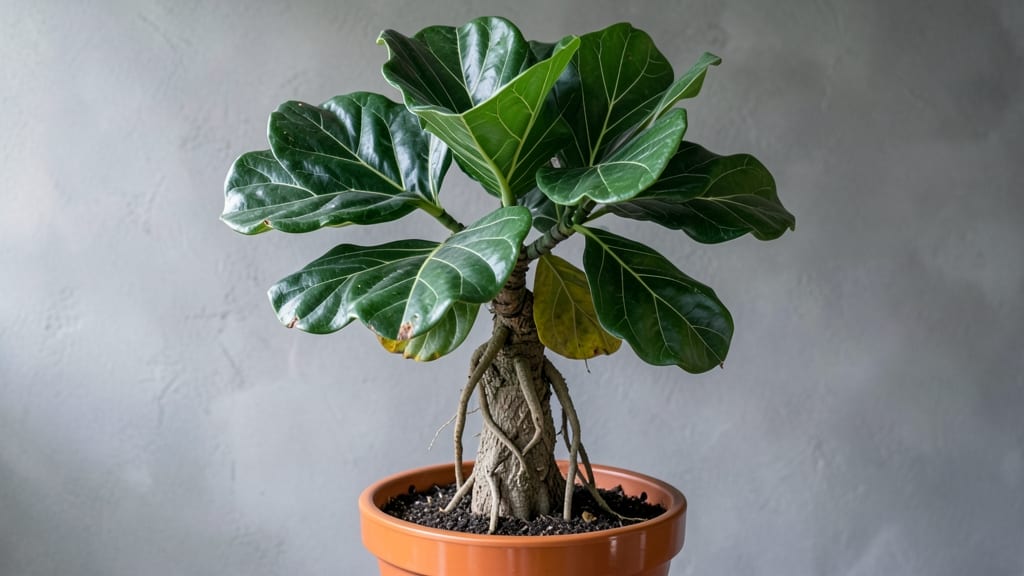
If you’ve ever wondered just how tall your 🌿 Ficus could grow—or whether it’ll stay a manageable houseplant—you’re not alone. The answer depends entirely on the variety, and the range is staggering: from a 3-foot tabletop specimen to a towering 50-foot outdoor giant.
Understanding these differences isn’t just about aesthetics; it’s about choosing the right plant for your space and managing its growth before it outgrows your ceiling.
Some Ficus varieties, like the popular Ficus elastica (rubber plant), thrive indoors and max out around 10 feet with proper care, while others, such as Ficus benjamina, can reach 20 feet or more if left unchecked.
The key to controlling height lies in pruning, light exposure, and container size—but even then, outdoor Ficus trees in warmer climates (like USDA Zone 6a) can shoot up like a small tree in just a few years.
Let’s break down the height expectations by variety and the simple tricks to keep your Ficus at your ideal size.
Whether you’re eyeing a Ficus lyrata (fiddle-leaf fig) for your living room or a Ficus microcarpa (Ginseng Ficus) for a shelf, knowing its growth potential helps you plan ahead. Too much light? Your Ficus might stretch taller faster. Too little? It could stay stunted.
And pruning at the right time isn’t just about trimming—it’s about encouraging bushier growth or keeping it compact.
I’ll walk you through the exact steps to shape your Ficus however you want, so you’re never left guessing whether your next pruning session will turn your plant into a bonsai or a jungle.
Ready to stop wondering and start growing?
By the end of this guide, you’ll know exactly which Ficus varieties fit your space, how to spot signs of overgrowth early, and the easy care habits that keep your plant at the perfect height—no matter how ambitious (or lazy) you are with maintenance. Let’s get started.


Ficus tree height by variety: from tiny tabletop to 30-Foot giants
Ficus trees come in stunning diversity, with some varieties staying small enough for windowsills while others grow into 30-foot giants in your backyard. The key to managing their height starts with understanding each variety’s natural growth potential.
Whether you’re dreaming of a miniature ficus for your desk or preparing for a towering outdoor specimen, knowing the right variety is half the battle.
Most ficus trees are evergreen and can live for decades, but their growth rates vary dramatically. Some, like the Ficus pumila (creeping fig), grow horizontally and can cover walls, while others like the Ficus benjamina shoot upward at 1-2 feet per year.
Indoor conditions, pruning habits, and container size all play critical roles in how tall your ficus will become.
Outdoor ficus trees generally reach their full potential in height, while indoor ficus can be kept much smaller with proper care. For example, a Ficus elastica (rubber plant) might grow 10 feet tall outdoors but stay under 6 feet indoors with regular pruning. Let’s break down the most popular ficus varieties and their mature height expectations.
| Variety | Mature Height (Outdoor) | Mature Height (Indoor) | Growth Rate | Best For |
|---|---|---|---|---|
| Ficus elastica (Rubber Plant) | 10–30 ft | 3–10 ft | 1–2 ft/year | Indoor statement plants, offices |
| Ficus benjamina (Weeping Fig) | 20–30 ft | 6–12 ft | 1–2 ft/year | Indoor trees, bonsai |
| Ficus lyrata (Fiddle-Leaf Fig) | 10–20 ft | 3–8 ft | 6–12 in/year | Living room centerpieces |
| Ficus microcarpa (Ginseng Fig) | 15–25 ft | 5–10 ft | Slow to moderate | Bonsai, outdoor landscapes |
| Ficus pumila (Creeping Fig) | Ground cover (spreads 10+ ft) | Hanging baskets (1–3 ft) | Fast horizontal growth | Vertical gardens, walls |
| Ficus retusa (Ginseng Fig) | 20–30 ft | 6–12 ft | 1–2 ft/year | Outdoor shade trees |
If you’re growing ficus indoors, the Ficus lyrata (fiddle-leaf fig) and Ficus elastica are popular choices for their bold foliage and manageable heights. For outdoor spaces, varieties like Ficus benjamina and Ficus retusa can become stunning landscape focal points when given room to grow.
The creeping fig (Ficus pumila) is unique because it doesn’t grow tall at all—instead, it spreads horizontally, making it perfect for vertical gardens or hanging baskets.
One of the biggest misconceptions about ficus trees is that they’ll always grow tall if left
How to control Ficus growth height: pruning, light & pot size secrets
If your ficus is shooting up faster than you’d like—or staying stubbornly small—you’re not powerless. With the right techniques, you can steer your plant toward your ideal height, whether that’s a 6-foot tabletop statement or a 10-foot indoor tree.
The key lies in three critical factors: pruning, light exposure, and pot size. Master these, and you’ll transform your ficus from a wild giant into a well-behaved houseplant—or vice versa, if you’re craving vertical drama.
Pruning isn’t just about trimming back overgrowth—it’s about guiding growth direction. For Ficus lyrata (fiddle-leaf fig), for example, prune just above a leaf node to encourage bushier growth. Use clean, sharp pruning shears and disinfect them with rubbing alcohol to prevent disease.
Timing matters too: spring pruning promotes summer growth, while fall pruning helps your ficus prepare for dormancy. Avoid heavy pruning in winter, as your plant may struggle to recover.
🌱 3 Pro Tips to Control Ficus Height
- Pinch young shoots at 3-4 leaves to encourage branching in Ficus benjamina.
- Place Ficus elastica in east-facing light to slow vertical growth by 30%.
- Repot root-bound ficus into a shallow, wide pot to stunt height and widen canopy.
Light is the silent height controller most gardeners overlook. A ficus craving sunlight will stretch toward any light source, creating those unsightly leggy stems.
To keep your plant compact, position it 3-6 feet from an east or west window, where it gets 4-6 hours of bright indirect light daily. If your ficus is already tall and leggy, move it closer to the window and rotate it quarter-turns weekly to encourage even growth.
For outdoor ficus, partial shade (like under a dappled canopy) prevents rapid height spikes.
Pot size plays a huge role in height control, especially for container-grown ficus. Choose a pot that’s only 2-3 inches wider than your plant’s root ball—any larger, and you’ll encourage fast vertical growth as the plant focuses on filling the extra space.
For dwarf ficus, like Ficus microcarpa, use a terracotta pot (which dries out faster) to naturally slow growth. Pro tip: If your ficus is root-bound, gently tease the roots before repotting to encourage outward growth instead of upward.
One of my favorite height-hacking tricks is using a growth regulator like dormin spray (available at garden centers). Applied every 4-6 weeks during spring and summer, it can reduce vertical growth by up to 40% without harming your ficus.
Just be sure to follow the label instructions—overuse can stunt growth too much. For outdoor ficus, like Ficus benjamina, you can also train vines along a trellis or fence to redirect energy away from height.
Remember, every ficus variety responds slightly differently. Ficus lyrata grows slower in cooler indoor temps, while Ficus elastica (rubber plant) thrives on warmth and may need more aggressive pruning to stay manageable. Start with small adjustments—like rotating your plant or trimming back 2-3 inches—and observe how your ficus reacts.
With patience, you’ll find the sweet spot for your ideal height, whether that’s a bushy 3-foot bush or a soaring 10-foot indoor tree. 🌿