
How To
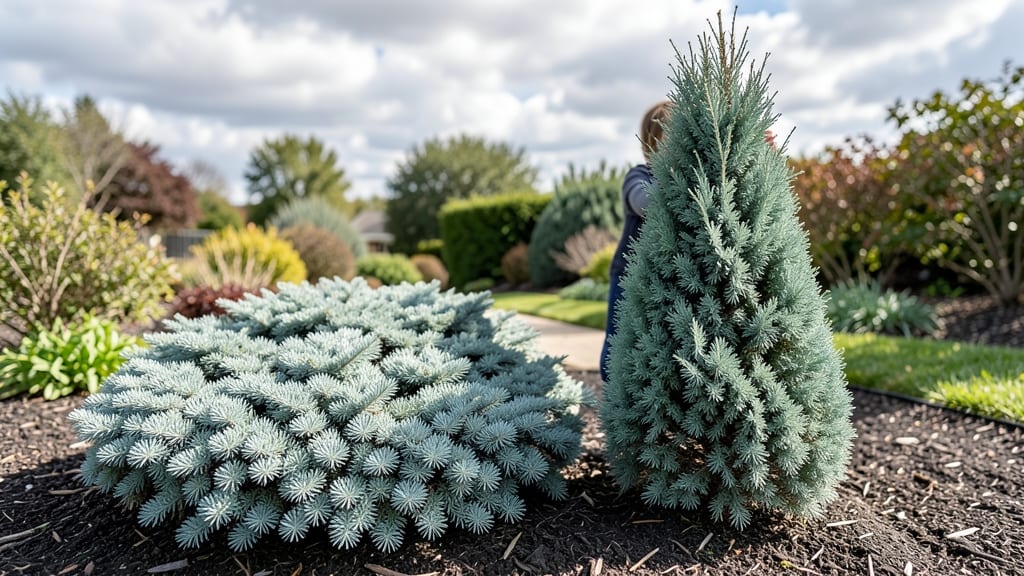
Wondering how tall does juniper grow before it outgrows your yard? The answer depends entirely on the variety—some stay under 3 feet while others stretch over 40 feet like a towering sentinel.
If you love the look of juniper 🌲 but need a space-saving solution, we’ve got the breakdown you need to pick the perfect fit for your landscape.
Juniper trees come in every size imaginable, from low-spreading ground covers to towering evergreens that define backyard borders. The key to choosing the right one lies in understanding growth habits—whether you want a fast-growing hedge or a slow-maturing shrub that stays put.
Let’s explore the height ranges of popular junipers and how to keep them at your desired size without pruning headaches.
For small yards, dwarf varieties like ‘Blue Rug’ or ‘Sargentii’ are game-changers—they top out at just 2-5 feet but pack all the texture and color of their taller cousins. Meanwhile, standard junipers like Eastern Red Cedar can reach 30-40 feet, making them ideal for privacy screens or statement pieces.
The good news? With the right care, even the fastest growers can be managed to fit your space.
Ready to find the perfect juniper for your garden? We’ll cover height comparisons, growth rates, and pro tips to keep your junipers looking their best—no matter how much (or little) room you’ve got. Let’s get started!


Juniper tree height guide: fast-growing varieties ranked by size
Juniper trees are incredibly versatile, with some varieties reaching towering heights while others stay small enough for rock gardens. Understanding their mature sizes helps you choose the perfect fit for your space—whether you need a towering privacy screen or a ground-hugging accent plant.
The key difference lies in their species and cultivars, which can vary from 3 feet tall to over 40 feet!
For example, the Eastern Red Cedar (Juniperus virginiana) often grows 30-40 feet tall, making it ideal for large properties. In contrast, the Creeping Juniper (Juniperus horizontalis) stays low and sprawling, perfect for slopes or borders. Let’s break down the height ranges so you can plan your landscape with confidence.
🌲 Height Comparison Table
If you’re working with limited space, dwarf varieties like 'Blue Rug' or 'Blue Star' are game-changers. These stay under 3 feet tall but spread beautifully, making them perfect for containers, borders, or alpine gardens.
On the other hand, if you’re aiming for a natural privacy screen, taller varieties like Eastern Red Cedar or Pencil Point Juniper (which can reach 20-30 feet) are excellent choices.
Another factor to consider is growth rate. Fast-growing junipers like Eastern Red Cedar can add 1-2 feet per year in ideal conditions, while dwarf varieties grow just 3-6 inches annually.
This means your 3-foot juniper might take 10 years to reach maturity, while a 30-foot variety could fill out in half that time!
For urban gardens or small yards, I recommend spacing junipers based on their mature width, not just height. A 5-foot tall juniper like 'Sargentii' might spread 6-8 feet wide, so plant it 4-5 feet apart to avoid overcrowding.
This ensures airflow and reduces the risk of fungal diseases like juniper blight.
One common mistake is underestimating the horizontal spread of junipers. Even upright varieties can develop a wide canopy over time. For example, a 10-foot tall juniper might spread 8-10 feet wide, so always check the cultivar’s mature dimensions before planting.
This is especially critical in small yards or when planting near sidewalks or driveways.
If you’re unsure which variety to choose, start with a mix of heights to create visual interest. For instance, pair a 3-foot dwarf juniper with a 6-foot shrub variety and a 10-foot tree to add layers to your landscape. This technique works wonders in mixed borders or woodland gardens.
Pro tip: Always check the USDA Hardiness Zone for your juniper variety. Most junipers thrive in Zones 3-8, but some, like Creeping Juniper, tolerate Zone 2 conditions. This ensures your plant will grow happily without winter damage or heat stress.
Ready to pick the perfect juniper for your space? Start by measuring your yard and matching it to the mature height and spread of the varieties above. Whether you’re going for a tiny accent plant or a towering evergreen, there’s a juniper that’s just right for you! 🌿
Best junipers for small yards: compact varieties that thrive in limited space
If you love the look of juniper but have limited space, you’re in luck—there are dwarf varieties that stay under 3 feet tall while still offering stunning foliage and year-round color. These space-efficient junipers are perfect for containers, rock gardens, or as low hedges along walkways.
One of my top picks is ‘Blue Rug’ juniper (Juniperus horizontalis ‘Blue Rug’), a sprawling ground cover that stays under 2 feet tall but spreads 6-8 feet wide.
Its silver-blue needles create a striking contrast against dark soil or mulch, and it thrives in USDA Zones 3-9.
For a slightly taller but still compact option, consider ‘Sargentii’ juniper (Juniperus chinensis ‘Sargentii’). This semi-dwarf variety grows 3-5 feet tall and 3-4 feet wide, making it ideal for small shrub borders or as a focal point in a container garden.
Its blue-green needles add texture and color year-round.
🌿
Top Compact Junipers for Small Spaces
- 🌱 Blue Rug Juniper (J. horizontalis) – 1-2 ft tall, spreads 6-8 ft; perfect for ground cover or rock gardens.
- 🌿 Sargentii Juniper (J. chinensis) – 3-5 ft tall, 3-4 ft wide; great for containers or small hedges.
- 🪴 Wichita Blue Juniper (J. scopulorum) – 2-3 ft tall, 3-4 ft wide; drought-tolerant and low-maintenance.
- 🌳 Blue Star Juniper (J. squamata) – 2-3 ft tall, 3-4 ft wide; compact and heat-resistant.
- 🪴 Golden Carpet Juniper (J. horizontalis) – 1-2 ft tall, spreads 4-6 ft; golden-yellow foliage for bright accents.
All varieties thrive in full sun and well-draining soil—ideal for small yards or urban gardens!
To maximize their ornamental value, plant these junipers in well-draining soil with full sun exposure. Most varieties are drought-tolerant, so once established, they require minimal watering—just deep watering every 2-3 weeks during dry spells.
For a hedge effect in tight spaces, space ‘Blue Rug’ or ‘Wichita Blue’ plants 2-3 feet apart. Their spreading habit fills in quickly, creating a lush, low barrier without taking up much vertical space. Prune lightly in late winter to maintain shape and encourage bushier growth.
🌳