
How To
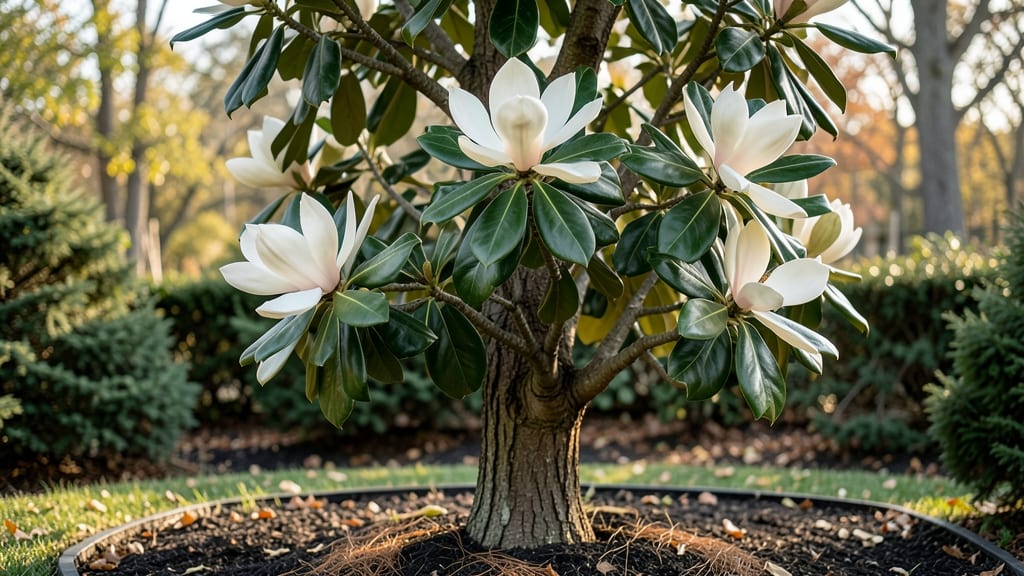
If you're dreaming of a stunning 🌳 Magnolia Tree but wondering how tall the magnolia tree will grow and whether it'll tower over your home or gracefully fit your landscape, the answer depends on more than just the species.
Some varieties stretch toward the sky like skyscrapers, while others stay compact enough for cozy yards—making the difference between a statement piece and a space hog.
Let’s cut through the confusion: Magnolia Tree heights can range from a modest 8 feet for dwarf varieties to a breathtaking 80 feet for giants like the Southern Magnolia. Your USDA zone, soil quality, and even pruning habits play a surprisingly big role in how tall your tree will grow.
In this guide, I’ll break down the exact height ranges for popular magnolias, how climate affects growth, and 5 proven tips to control size naturally—without damaging the tree. Whether you’re planning a grand entrance or a subtle accent, you’ll know exactly what to expect.
Ready to choose the perfect magnolia for your space? Let’s dive into the details so you can plant with confidence—and avoid any surprises down the road.


Magnolia tree height by species: from dwarf to towering giants
Magnolia trees are nature's living sculptures, with their height ranges spanning from compact shrubs to towering giants. If you're planning your landscape, knowing the mature height of each species helps you choose the perfect fit for your space.
Some varieties stay under 15 feet, while others can reach 80 feet or more—like a small skyscraper in your backyard!
The Southern Magnolia (Magnolia grandiflora) is the undisputed champion, often soaring to 60-80 feet with a spread of 25-40 feet. This evergreen giant thrives in warm climates and makes a bold statement in large landscapes.
For smaller yards, the Star Magnolia (Magnolia stellata) offers delicate white blooms on a 15-25 foot tree—perfect for adding fragrance without overwhelming your space.
Here’s a quick look at how different magnolia species compare in height. This summary table will help you visualize which varieties fit your yard’s scale:
| Species | Mature Height (ft) | Spread (ft) | Growth Rate | Best For |
|---|---|---|---|---|
| Southern Magnolia (M. grandiflora) | 60-80 | 25-40 | Slow to Moderate | Large landscapes, privacy screens |
| Star Magnolia (M. stellata) | 15-25 | 15-25 | Slow | Small yards, containers, accent plant |
| Saucer Magnolia (M. × soulangeana) | 20-30 | 20-30 | Moderate | Medium yards, focal points |
| Little Gem (M. grandiflora 'Little Gem') | 20-30 | 8-12 | Slow | Narrow spaces, urban gardens |
| Yulan Magnolia (M. denudata) | 25-35 | 20-30 | Moderate | Traditional gardens, fragrant blooms |
| Loebner Magnolia (M. × loebneri) | 15-25 | 10-15 | Slow | Dwarf varieties, small gardens |
| Cucumbertree Magnolia (M. acuminata) | 40-60 | 30-50 | Moderate | Woodland gardens, large properties |
If you're working with limited space, consider the Little Gem or Loebner Magnolia varieties. These dwarf magnolias stay under 25 feet tall but still deliver stunning blooms and lush foliage. Even better, they’re easier to maintain and prune, making them ideal for urban gardens or container planting in small patios.
For a statement-making focal point, the Southern Magnolia or Cucumbertree Magnolia will dominate your landscape with their towering presence. Just be prepared for their wide canopies, which can cast significant shade.
If you love the idea of a magnolia but need something more manageable, hybrid varieties like the Saucer Magnolia offer a balanced height of 20-30 feet with vibrant spring blooms.
One of my favorite compact options is the Star Magnolia. It’s a slow-growing tree that reaches 15-25 feet at maturity, perfect for adding fragrance and color to smaller yards. Plus, its delicate white flowers bloom in late winter, making it a standout early-season performer.
When selecting a magnolia, also consider its growth rate. Some species, like the Southern Magnolia, grow 1-2 feet per year, while others, like the Star Magnolia, may only add 6 inches annually. This difference can significantly impact how quickly your tree fills out its space.
Pro tip: Always check the mature height and spread of a magnolia before planting. A tree that’s 30 feet tall with a 20-foot spread needs plenty of room to avoid crowding other plants or structures in your yard. Measure your space carefully to ensure your magnolia has room to thrive
How growing zones affect Magnolia tree height and growth rate
Your USDA growing zone directly impacts how tall your magnolia tree will grow—and how quickly it reaches maturity. Magnolias thrive in zones 4 through 10, but their growth patterns differ dramatically between Northern climates (zones 4-7) and Southern regions (zones 8-10).
In cooler zones, magnolias grow more slowly, often reaching 60-70% of their potential height compared to their Southern counterparts.
For example, a Southern Magnolia (Magnolia grandiflora) in zone 9 may tower 80 feet tall with rapid growth, while the same species in zone 6 might max out at 40-50 feet due to slower spring growth. Cold snaps in early spring can also stunt height by damaging emerging buds, while humid Southern summers accelerate growth rates.
Here’s how climate factors influence height:
| Zone | Growth Rate | Mature Height (Standard Varieties) | Climate Impact |
|---|---|---|---|
| 4-6 | Slow (1-2 ft/year) | 20-40 ft | Cold winters delay spring growth; shorter growing season |
| 7-8 | Moderate (2-3 ft/year) | 40-60 ft | Mild winters; faster growth but prone to fungal issues |
| 9-10 | Fast (3-5 ft/year) | 60-80+ ft | Warm winters; rapid growth but needs consistent moisture |
In Northern zones (4-6), choose dwarf varieties like Magnolia stellata (star magnolia) or Magnolia 'Black Tulip', which max out at 15-20 feet—ideal for smaller yards. These varieties compensate for slower growth with earlier blooming (as early as March) and better cold tolerance.
For Southern zones (8-10), embrace taller species like Sweetbay Magnolia (Magnolia virginiana), which thrives in wet soils and can reach 50-60 feet with 3-4 feet of annual growth in ideal conditions. However, overwatering in humid climates can lead to root rot, so prioritize well-draining soil.
Pro tip: If you’re in a transition zone (7-8), monitor your tree’s growth rate annually—adjust pruning or mulching if it’s growing faster or slower than expected. Mulch deeply (3-4 inches) in spring to protect roots from temperature fluctuations, which can stunt height over time.
🌳