
How To
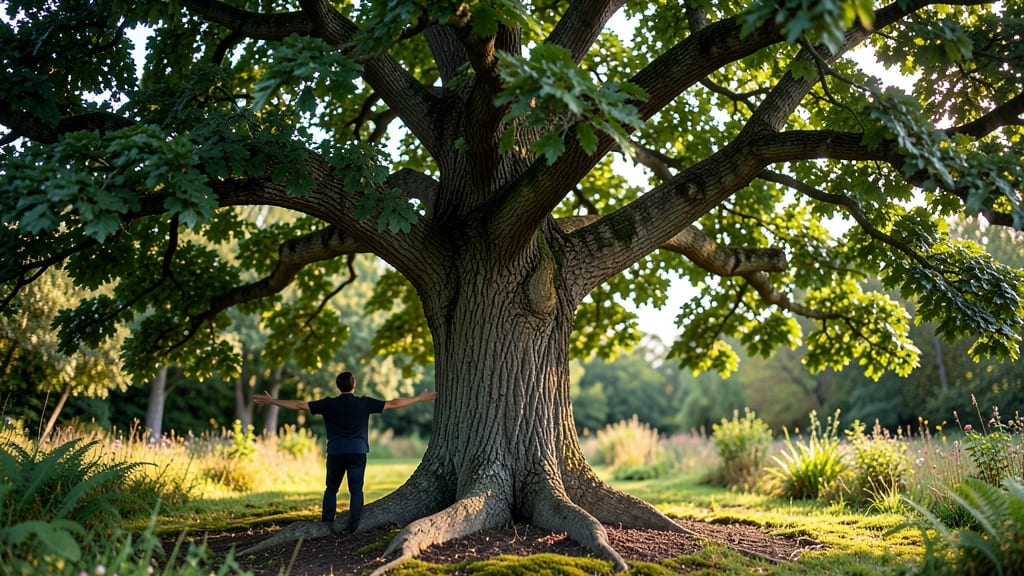
If you're wondering "how tall does oak tree grow", the answer might surprise you—some tower over 100 feet, while others stay compact enough for small yards.
The oak tree 🌳 isn't just a backyard staple; it's a long-term investment with dramatic height differences depending on the species and growing conditions.
Imagine planting a tiny sapling that could one day rival the height of a 10-story building**. That's the potential of fast-growing oak varieties like red or pin oaks, which can reach 60-80 feet in ideal conditions.
But here's the catch: their growth speed and final height depend heavily on where you live and how you care for them.
Whether you're a home gardener dreaming of shade or a landscaper planning a statement tree, understanding these factors is key. I'll break down the fastest-growing species, how to predict their mature heights, and even share compact options for smaller spaces. Let’s get started.
By the end, you’ll know exactly which oak tree fits your space—and how to nurture it for maximum growth. Ready to turn your yard into a future forest? Let’s dive in.


Fastest-growing oak tree species and their mature heights
Oak trees are legendary for their longevity and grandeur, but not all species grow at the same pace or reach the same towering heights. If you're planning to plant one, understanding the growth rates and mature heights of different oaks will help you choose the perfect variety for your space.
Some oaks can grow over 100 feet tall, while others stay compact—making them ideal for smaller yards.
Climate plays a huge role in oak tree growth. In warm, humid regions like the Southeast, oaks often grow faster and taller than in cooler climates.
For example, a white oak in Florida might reach 80 feet in 50 years, while the same species in New England could max out at 60 feet due to shorter growing seasons. Always check your USDA hardiness zone before planting.
Here’s a breakdown of the fastest-growing oak species and their typical mature heights, so you can plan your landscape with confidence.
| Species | Mature Height (ft) | Growth Rate (ft/year) | Best For |
|---|---|---|---|
| Red Oak | 75–100 ft | 1.5–2 ft | Large yards, parks |
| Pin Oak | 60–80 ft | 1.2–1.8 ft | Urban landscapes, wet soils |
| White Oak | 60–90 ft | 1–1.5 ft | Shade trees, long-term growth |
| Bur Oak | 50–80 ft | 1–1.3 ft | Drought-prone areas, cold climates |
| Swamp White Oak | 40–60 ft | 0.8–1.2 ft | Wetland gardens, small spaces |
The red oak is the fastest-growing oak species, often reaching 75–100 feet in ideal conditions. Its rapid growth makes it a favorite for quick shade and wildlife habitat. However, its massive size means it’s best suited for large properties or parks.
If you’re in a smaller yard, consider the swamp white oak, which tops out at 40–60 feet and thrives in moist soils.
For homeowners in urban areas, the pin oak is a smart choice. It grows at a steady 1.2–1.8 feet per year and handles compacted soil better than most oaks.
Just be prepared for its eventual 60–80-foot height—plant it at least 30 feet away from structures or power lines to avoid future issues.
If you love the idea of an oak but need a shorter stature, avoid the classic giants and opt for slower-growing varieties like the bur oak. While it won’t outpace its cousins, its 50–80-foot mature height and drought tolerance make it a low-maintenance option for dry climates.
Plus, its distinctive lobed leaves add unique texture to any landscape.
One common misconception is that all oak trees grow at the same rate. In reality, soil quality and water availability can double or halve growth rates.
For example, a white oak in nutrient-rich, well-drained soil might grow 1.5 feet per year, while the same tree in poor soil could struggle to reach 0.5 feet annually. Always amend your soil with compost before planting to give your oak the best start.
Another factor to consider is pruning. While pruning won’t drastically reduce an oak’s mature height, strategic cuts can encourage a fuller canopy and prevent weak branches. Just avoid heavy pruning in the late summer or fall, as this can stress the tree and slow its growth.
Stick to late winter or early spring for best results.
Before you plant, take a moment to visualize your oak’s future. A 100-foot red oak will cast shade over your entire yard—and possibly your neighbor’s. Use a laser level or measuring tape to mark out its future canopy.
For every 1 foot of trunk height, the canopy spreads about 1–2 feet wider. This simple trick helps you avoid costly mistakes down the road.
🌳
How to estimate an oak tree’s height before planting
Predicting how tall an oak tree will grow is easier than you think—if you know the right factors. While mature oak trees can reach 60–100 feet, their growth rate depends heavily on soil quality, sunlight exposure, and even your local climate zone.
For example, a red oak in USDA Zone 7 might grow 2–3 feet per year, while the same tree in Zone 5 could take twice as long to reach maturity.
Start by checking your soil drainage. Oak trees hate soggy roots, so test your soil’s moisture retention. Amend heavy clay with compost or sand to improve aeration. Poor drainage can stunt growth by up to 30%, meaning your tree might stay shorter than expected.
A simple percolation test (digging a hole, filling it with water, and timing how long it drains) will give you clarity in minutes.
Next, consider sunlight exposure. Oak trees thrive in full sun (6+ hours daily), but partial shade can reduce their height by 10–20%**. If your yard only gets 4–6 hours of sun, choose a tolerant species like the pin oak, which handles light shade better than most.
Avoid planting in deep shade—your oak will struggle to grow beyond 30 feet.
Pruning young oak trees can also control height, but timing is critical. Never prune in late summer or fall, as this encourages weak, disease-prone growth. Instead, prune in late winter or early spring before new leaves emerge.
Remove suckers and water sprouts to redirect energy to the main trunk. Just remember: never remove more than 25% of the canopy in one year, or you risk stressing the tree.
For a quick height estimate, multiply the tree’s age by its average annual growth rate. For example, a 10-year-old white oak growing at 1.5 feet per year would be about 15 feet tall.
Use this formula: Mature Height = (Age × Growth Rate) + Initial Height. Adjust for your local climate—cooler regions slow growth, while warmer zones speed it up.
Finally, account for wind exposure. Trees in windy areas often grow taller and thinner to reach sunlight, while sheltered trees may grow wider and bushier. If your yard is exposed to strong winds, expect your oak to grow 10–20% taller than average.
Planting near a windbreak (like a fence or hedge) can help maintain a more balanced shape.