
How To
Natural growth height of Solomon’s Seal: species-specific expectations
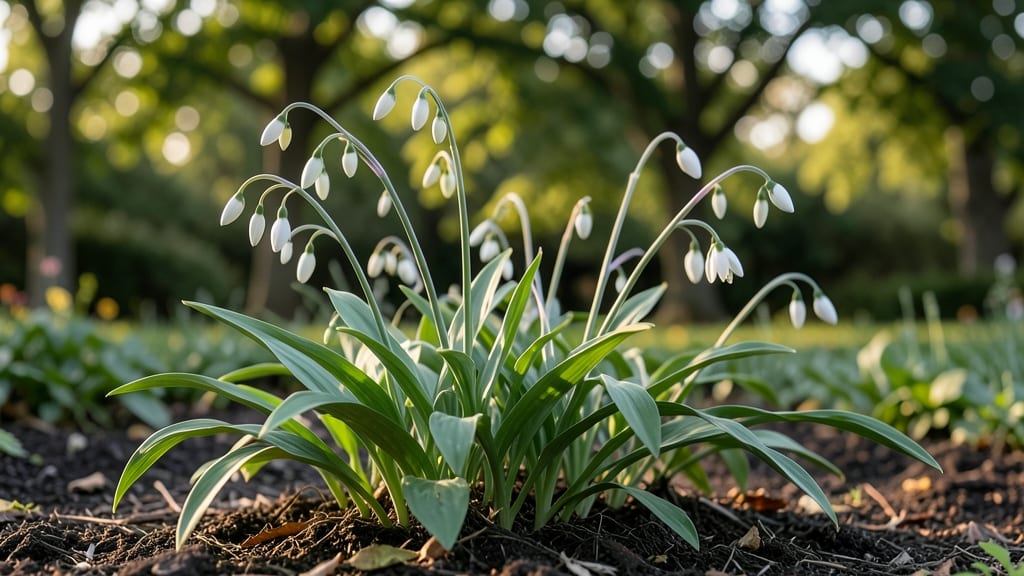
Solomon’s Seal (Polygonatum spp.) is a graceful perennial that grows in arching stems, creating a dramatic understory effect in shaded gardens. On average, most common varieties reach 3 to 5 feet tall at maturity, though some dwarf cultivars stay as short as 2 feet.
The growth rate is moderate—expect 1 to 2 feet of new growth per year until fully established.
Your local climate and soil conditions play a huge role in height. In cooler USDA zones (3–6), Solomon’s Seal tends to grow taller and bushier, while in warmer zones (7–9), it may stay more compact due to heat stress.
For example, Polygonatum odoratum (common Solomon’s Seal) often hits 4 to 5 feet, while P. commutatum (giant Solomon’s Seal) can stretch up to 6 feet in ideal conditions.
Here’s how three popular varieties compare in height and spread:
| Variety | Mature Height | Spread | Growth Habit |
|---|---|---|---|
| Polygonatum odoratum | 3–5 ft | 2–3 ft | Clumping, arching |
| P. biflorum (Solomon’s Plume) | 2–3 ft | 1–2 ft | Compact, bushy |
| P. commutatum (Giant Solomon’s Seal) | 4–6 ft | 3–4 ft | Sprawling, vigorous |
If you’re planting Solomon’s Seal in a small garden, opt for P. biflorum—its shorter stature (2–3 feet) makes it ideal for border plantings or container gardens.
For woodland gardens or shady corners, P. odoratum is a showstopper, with its tall, arching stems and fragrant blooms that dangle like tiny bells. Meanwhile, P. commutatum is best suited for larger landscapes where its bold height can create a dramatic focal point.
Sunlight also influences height. While Solomon’s Seal thrives in partial shade, too much direct sun can stunt growth, while deep shade may lead to longer, leggier stems. Aim for dappled sunlight—think morning sun and afternoon shade—to encourage balanced, sturdy growth. In low-light conditions, stems may stretch up to 20% taller in search of light, so supplement with artificial grow lights if growing indoors.
Soil moisture is another critical factor. Solomon’s Seal prefers well-draining, slightly acidic soil (pH 6.0–7.0). In waterlogged conditions, roots suffocate, leading to stunted growth or yellowing leaves. Amend heavy clay soil with compost or sand to improve drainage. Conversely, drought stress can cause shorter, weaker stems, so consistent moisture (especially during spring and summer) keeps your plant reaching its full height potential.
One of the most misunderstood aspects of Solomon’s Seal growth is its rhizome system. Unlike many perennials, it spreads horizontally via underground stems, which can double its spread every 3–5 years if unchecked. This aggressive root system means your plant may outgrow its welcome in small spaces.
To control spread, divide clumps every 3–4 years in early spring or fall, keeping only the outermost sections if you want to limit expansion.
For first-year growth, expect modest gains: most Solomon’s Seal plants start at 1–2 feet tall and 1–1.5 feet wide. By year three, they’ll hit their mature height, with thicker stems and more abundant blooms.
Patience is key—rushing growth with heavy fertilization can lead to weaker stems that flop under their own weight. Instead, focus on balanced care: light feeding in spring, regular watering, and minimal pruning until established.
If you’re designing a shade garden, Solomon’s Seal’s height range makes it a versatile choice. Pair taller varieties (like P. commutatum) with low-growing ferns or hostas to create layers of texture.
For smaller spaces, combine P. biflorum with bleeding hearts or lungwort for a delicate, woodland feel. And if you’re growing it in containers, choose dwarf varieties and prune aggressively to keep heights under 2 feet—perfect for balconies or patios.
Need more care tips? Explore our Solomon’s Seal planting guide for step-by-step instructions on spacing, soil prep, and long-term maintenance to keep your plant thriving at its ideal height—without the hassle. 🌿
Natural growth height of Solomon’s Seal: species-specific expectations
Solomon’s Seal (Polygonatum spp.) is a graceful, arching perennial that thrives in shaded gardens, but its mature height can vary dramatically depending on the species and growing conditions.
On average, most varieties reach 3 to 5 feet tall, though some dwarf cultivars stay as short as 2 feet. Understanding these differences helps you plan spacing and support structures to avoid overcrowding.
If you’re planting Polygonatum odoratum (the classic fragrant type), expect 4 to 5 feet of height at maturity, with arching stems that spread 2 to 3 feet wide. This species is the tallest and most vigorous, making it ideal for woodland edges or understory plantings.
Meanwhile, Polygonatum biflorum (commonly called Solomon’s plume) typically stays 2 to 3 feet tall, with a more compact, clumping habit—perfect for smaller gardens or container growing.
Here’s how climate and sunlight influence height:
- Full shade (e.g., under trees) may stunt growth slightly, keeping plants 2 to 3 feet tall.
- Partial shade with morning sun (ideal for most zones) encourages maximum height (4–5 ft).
- Cooler climates (USDA zones 3–5) often yield taller, lushier growth due to slower, steadier development.
| Variety | Mature Height | Spread | Growth Habit | Best For |
|---|---|---|---|---|
| Polygonatum odoratum | 4–5 ft | 2–3 ft | Arching, spreading | Woodland gardens, borders |
| Polygonatum biflorum | 2–3 ft | 1–2 ft | Clumping, compact | Containers, small gardens |
| Polygonatum commutatum | 3–4 ft | 2 ft | Semi-upright, arching | Shade gardens, mixed borders |
The first year of growth is the slowest, with plants typically reaching only 1 to 2 feet tall. By year 3, you’ll see rapid vertical growth, especially if the plant has rich, moist soil and partial shade.
To encourage healthier, taller growth, amend your soil with compost and avoid heavy clay, which can restrict root development.
For design flexibility, pair taller varieties like P. odoratum with ferns or hostas to create a layered understory effect. If space is limited, opt for dwarf cultivars or use trellises to train vines upward.
Pruning in late winter (before new growth emerges) can also control height while preserving the plant’s natural arching form.
Need more care tips? Explore our Solomon’s Seal planting guide for soil prep, spacing, and seasonal maintenance to keep your plants thriving at their ideal height.