
How To
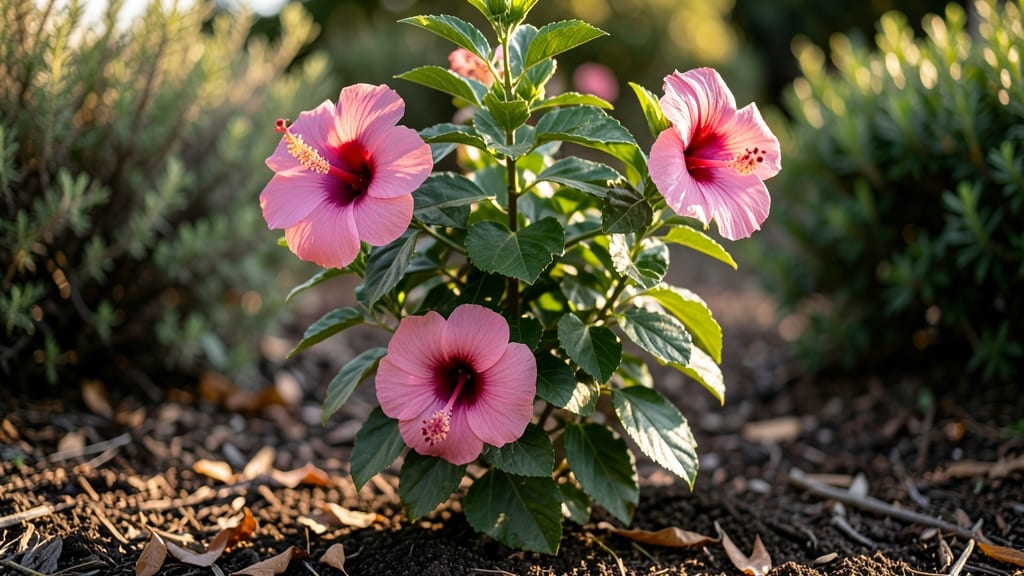
If you're planning to grow hibiscus in your garden, one of the first questions you'll ask is how tall will hibiscus grow—because those stunning 🌸 blooms come with a big surprise in size.
Some varieties stay compact, perfect for containers, while others can grow tall enough to rival small trees, creating a dramatic focal point in your landscape.
Understanding your hibiscus's potential height isn't just about aesthetics—it’s about choosing the right variety for your space and care routine. Tropical hibiscus, like the classic Hibiscus rosa-sinensis, can reach 10 to 15 feet in ideal conditions, while hardy varieties often top out around 6 to 10 feet.
The difference? Sunlight, pruning, and even your local climate play a huge role in how much your plant will stretch toward the sky.
But here’s the good news: you’re not stuck with whatever height nature intends. With the right techniques—like strategic pruning and proper training—you can shape your hibiscus to fit your garden perfectly.
Whether you want a 3-foot bush for a patio or a towering 10-foot screen, this guide will help you control the growth and keep your plant thriving.
Ready to discover the secrets to managing hibiscus height? Let’s break down the exact growth ranges by type and the simple care tips that make all the difference in your garden.


Hibiscus height by species: exact growth ranges for common varieties
Hibiscus plants come in a stunning array of sizes, from petite patio darlings to towering garden statements. The species you choose determines whether your hibiscus will stay under 5 feet or climb toward 15 feet.
Let’s break down the exact growth ranges for the most popular types, so you can pick the perfect fit for your space.
First, consider the two main categories: tropical hibiscus (like Hibiscus rosa-sinensis) thrive in warm climates and can grow aggressively if unchecked. In contrast, hardy hibiscus (such as Hibiscus syriacus) are cold-tolerant and often more compact. Your climate zone and growing conditions will further shape their height.
🌱 Did You Know? The dwarf hibiscus varieties are bred specifically for containers, while standard types can become small trees with proper care. Even within a single species, height can vary by 50% based on pruning habits alone.
| Variety | Mature Height Range | Growth Habit | Ideal Climate |
|---|---|---|---|
| Tropical Hibiscus (Hibiscus rosa-sinensis) | 6–15 ft | Multi-stemmed shrub or small tree | USDA Zones 10–11 (or containers in cooler zones) |
| Hardy Hibiscus (Hibiscus syriacus) | 8–12 ft | Upright, bushy shrub | USDA Zones 5–9 |
| Dwarf Tropical Hibiscus (e.g., 'Piebald', 'Lime Green') | 3–5 ft | Compact, bushy | Containers or warm microclimates |
| Rose of Sharon (Hibiscus syriacus) | 10–15 ft | Fast-growing, woody | USDA Zones 4–9 |
| Hibiscus moscheutos (Swamp Hibiscus) | 4–6 ft | Clumping, moisture-loving | USDA Zones 5–9, wet soils |
If you’re growing tropical hibiscus in containers, expect them to max out around 5–6 feet unless you’re using oversized pots or allow them to sprawl. For in-ground planting, these varieties can easily double in height without pruning.
Meanwhile, hardy hibiscus like Hibiscus syriacus grow more steadily, making them ideal for privacy screens or background planting.
The soil type also plays a role—hibiscus thrive in well-draining, slightly acidic soil (pH 6.1–6.5). Poor drainage or nutrient-deficient soil can stunt growth, while rich, organic soil encourages taller, bushier plants.
For example, a Rose of Sharon in clay-heavy soil might only reach 8 feet, whereas the same plant in loamy soil could hit 12–15 feet.
For container gardening, choose dwarf varieties like 'Piebald' or 'Lime Green'—they stay under 5 feet and bloom prolifically. If you’re using standard hibiscus in pots, prune aggressively to control height, as root-bound plants grow slower but may become leggy without proper care.
🌿 Pro Tip: In cooler climates, hardy hibiscus like Hibiscus syriacus may grow more slowly until they establish roots. Give them 3–4 years to reach their full height potential, and avoid heavy pruning in their first year.
Finally, don’t overlook the pruning schedule. Regular trimming can reduce height by 30–50% while encouraging thicker, more abundant blooms. For instance, a 10-foot Rose of Sharon can be kept at 6 feet with annual pruning. We’ll dive deeper
How to control hibiscus height: pruning, training, and care tips
Want to guide your hibiscus’s growth instead of letting it reach its full height? With the right techniques, you can shape your plant into a compact bush, a tall privacy screen, or even a container-friendly specimen.
The key lies in pruning timing, training methods, and seasonal adjustments—all tailored to your hibiscus type. Let’s break down how to control height like a pro.
First, understand that tropical hibiscus (like Hibiscus rosa-sinensis) and hardy hibiscus (like Hibiscus syriacus) respond differently to pruning. Tropical varieties grow year-round in warm climates, while hardy hibiscus enter dormancy in winter. Your pruning strategy must align with your plant’s natural growth cycle to avoid stunting or overgrowth.
For container-grown hibiscus, regular pruning is non-negotiable. Without it, even dwarf varieties can outgrow their pots in 1-2 years, leading to root-bound stress. Use sharp, sterilized shears to trim back leggy stems by 1/3 their length in early spring.
This encourages bushier growth and prevents the plant from becoming top-heavy.
Here’s a quick guide to pruning for height control, whether you’re aiming for a 3-foot patio plant or a 10-foot hedge:
- 🌱 Spring Pruning (March-April): Trim back 1/3 of last year’s growth to encourage new, compact branches. Focus on removing dead or crossing branches first.
- 🌿 Summer Light Pruning (June-August): Pinch back new growth tips to promote bushiness. Avoid heavy pruning during peak bloom to preserve flowers.
- ✂️ Fall Cleanup (October-November): Remove weak or diseased stems but avoid heavy cuts—save major pruning for spring.
- 🌡️ Winter Dormancy (Hardy Hibiscus Only): Prune after the first frost to remove dead wood and shape the plant for the next growing season.
Training your hibiscus isn’t just about pruning—it’s also about support structures and directional growth. If you’re growing a tall variety like Hibiscus syriacus, install a trellis or bamboo stakes early in the season.
Gently tie stems to guides as they grow to encourage upward growth without sprawling. For container hibiscus, rotate pots quarter-turns weekly to ensure even sunlight exposure and prevent lopsided growth.
Don’t forget that soil nutrients and watering habits play a huge role in height control. Over-fertilizing with high-nitrogen feeds will result in leafy but leggy growth, while balanced 10-10-10 fertilizer promotes sturdy, blooming stems.
Water deeply but infrequently—soggy soil weakens stems, making them more prone to flopping or breaking under their own weight.
With consistent pruning and training, you can shape your hibiscus to fit any space—whether that’s a 5-gallon pot on your balcony or a 12-foot privacy screen along your fence. The secret? Patience and precision.
Start small, observe how your plant responds, and adjust your approach as it grows. Your hibiscus will thank you with vibrant blooms and perfect proportions all season long. 🌸