
Watering
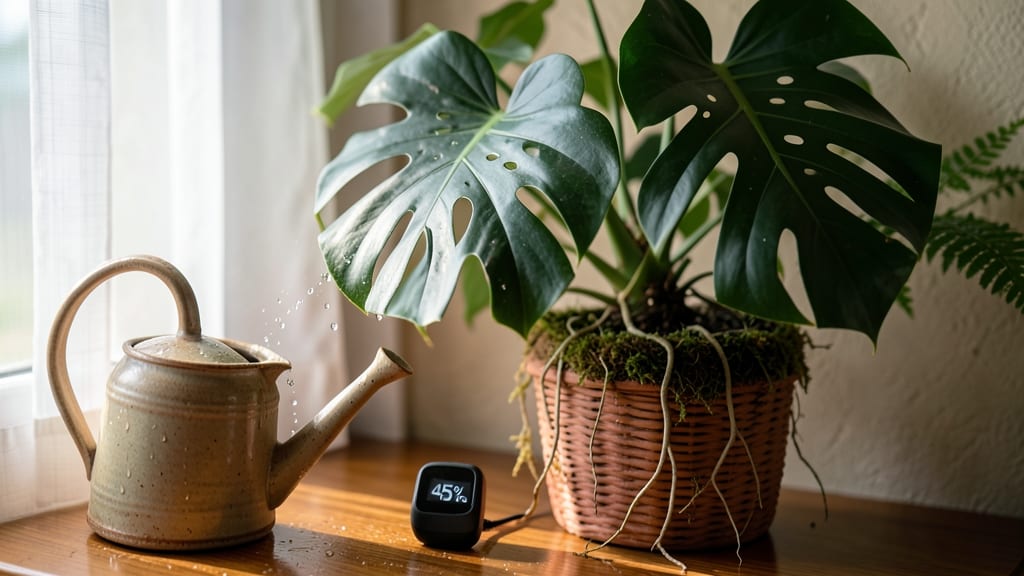
Figuring out how much water your Monstera plant 🌿 needs can feel like solving a mystery—one wrong move, and you’re either drowning its roots or watching its leaves turn crispy.
The truth? This tropical beauty thrives on a balance, and getting it right means the difference between a lush, vibrant plant and one that slowly wilts away.
I’ve learned the hard way that Monstera plants hate soggy soil, but they also don’t like drying out completely. The key is checking the top 1-2 inches of soil before watering—if it’s dry, it’s time.
But here’s the game-changer: your watering schedule changes with the seasons, humidity, and even the size of your pot.
In this guide, I’ll break down exactly how often to water your Monstera, from the finger test to seasonal adjustments, so you never guess again. You’ll also discover common mistakes that kill these plants (yes, even well-meaning owners make them) and how to fix them before it’s too late.
Whether you’re a first-time plant parent or a seasoned grower, these tips will keep your Monstera thriving without the overkill. Let’s get your plant the perfect drink—neither too much nor too little. Your leaves will thank you.
Optimal monstera watering schedule by season (and how to check soil moisture)
Monstera plants thrive on a consistent but flexible watering routine that adapts to seasonal changes. Unlike succulents, they crave moisture but despise soggy roots—think of it as giving them a thirst-quenching drink rather than a swampy home.
The key is balancing frequency with soil dryness, which shifts dramatically between summer’s heat and winter’s chill.
I’ve learned from years of trial and error that spring and fall are the sweet spots for monstera care. During these shoulder seasons, your plant will happily settle into a weekly watering schedule, provided your home isn’t overly humid.
But when summer hits, expect to water every 5-7 days, while winter slows things down to every 10-14 days. The trick? Always check the soil first.
Here’s how I test soil moisture without guessing: Stick your finger about 1-2 inches deep into the soil. If it feels dry, it’s time to water. If it’s still damp, wait another day or two.
Pro tip: Morning watering is ideal because it mimics natural rainfall cycles and gives excess water time to evaporate before nightfall.
| Season | Watering Frequency | Soil Check Method | Best Time to Water |
|---|---|---|---|
| Spring | Every 7-10 days | Finger test: Top 1-2 inches dry | Morning (6-9 AM) |
| Summer | Every 5-7 days | Finger test: Top 1 inch dry (hotter = more frequent) | Morning or evening (avoid midday heat) |
| Fall | Every 7-10 days | Finger test: Top 1.5-2 inches dry | Morning (cooler temps = slower drying) |
| Winter | Every 10-14 days | Finger test: Top 2-3 inches dry (plant is dormant) | Morning (avoid cold drafts near plant) |
💧 Pro Tip: Adjust for humidity—drier air = more frequent watering
Pot size plays a huge role in how often you’ll water. A small 6-inch pot dries out faster than a large 12-inch container, so scale your schedule accordingly.
For example, my monstera in a 10-inch pot needs water every 6-8 days in summer, while the same plant in a 14-inch pot might only need it every 10 days. Always water until you see excess draining from the bottom—this ensures the roots get a thorough drink.
Visual cues are your best friends when it comes to monitoring soil moisture. If the soil looks dry and crumbly at the surface, it’s time to water. But if it’s still dark and clumpy, hold off.
Another trick? Lift the pot—if it feels light, the soil is dry; if it’s heavy, it’s still moist. This method works surprisingly well for busy gardeners who don’t always have time for finger tests.
One mistake I see often is relying solely on a watering schedule without checking the soil. Your monstera’s needs change based on humidity levels, indoor heating, and even the size of its leaves.
For instance, a monstera with large, mature leaves will drink more water than a young one with tiny leaves. Always prioritize the soil’s condition over a rigid calendar.
In high-humidity environments (like bathrooms or kitchens), you might only need to water every 10-12 days year-round because the air is already saturated. Conversely, in dry climates with low indoor humidity (below 40%), you’ll need to water more frequently—sometimes even daily in extreme heat.
A hygrometer (a humidity gauge) can be a game-changer for fine-tuning your watering routine.
Remember, the goal is to keep your monstera’s roots in a consistently moist but never soggy state. Over time, you’ll develop an instinct for when it’s thirsty.
My monstera’s leaves start to curl slightly at the edges when it’s ready for a drink—a subtle sign that’s easier to spot once you’ve spent time observing it. Pay attention to these little clues, and your plant will reward you with lush, split leaves and vigorous growth.
Finally, don’t forget that well-draining soil is just as important as your watering routine. If your monstera’s pot lacks drainage holes, consider repotting it into a container with holes or adding a layer of perlite or orchid bark to improve aeration.
This small adjustment can prevent root rot and make your watering job easier in the long run.
Optimal monstera watering schedule by season (and how to check soil moisture)
Your monstera plant thrives on consistency, but its water needs shift dramatically with seasonal changes. During spring and summer, when humidity drops and temperatures rise, your plant will drink more water—sometimes every 5-7 days.
In fall and winter, reduce watering to every 10-14 days as growth slows. The key? Soil moisture checks—never guesswork.
I’ve learned the hard way that overwatering is the silent killer of monsteras. Yellow leaves, mushy stems, and foul-smelling soil are red flags your plant is drowning. The fix? Let the top 1-2 inches of soil dry between waterings.
For accuracy, use the finger test: Stick your index finger 1-2 inches deep—if it feels dry, it’s time to water.
| Season | Watering Frequency | Soil Moisture Check | Water Amount |
|---|---|---|---|
| Spring | Every 7-10 days | Top 1-2 inches dry | 300-500ml (deep soak) |
| Summer | Every 5-7 days | Top 1 inch dry | 500-700ml (more in heat) |
| Fall | Every 10-14 days | Top 2 inches dry | 200-400ml (reduce gradually) |
| Winter | Every 14-21 days | Top 3 inches dry | 100-200ml (minimal water) |
Pro tip: Pot size matters. A small 6-inch pot dries out faster than a large 12-inch pot. If your monstera’s roots are circling the bottom, it’s time to upgrade the container—this prevents root-bound stress and improves water retention.
Always use pots with drainage holes to avoid soggy soil.
For a visual check, lift your monstera pot—if it feels light, it’s thirsty. If it’s heavy, hold off. Pair this with the finger test for the most reliable results. Over time, you’ll develop an intuition for your plant’s needs, but always adjust for humidity.
Dry air (like winter heating) means more frequent watering, while humid summers may require less.
Remember: Morning watering is ideal. It mimics natural rainfall cycles and gives leaves time to dry, reducing fungal risks. Avoid watering at night—wet foliage overnight invites pests like spider mites. Stick to this schedule, and your monstera will reward you with lush, split leaves year-round.
🌱