
How To
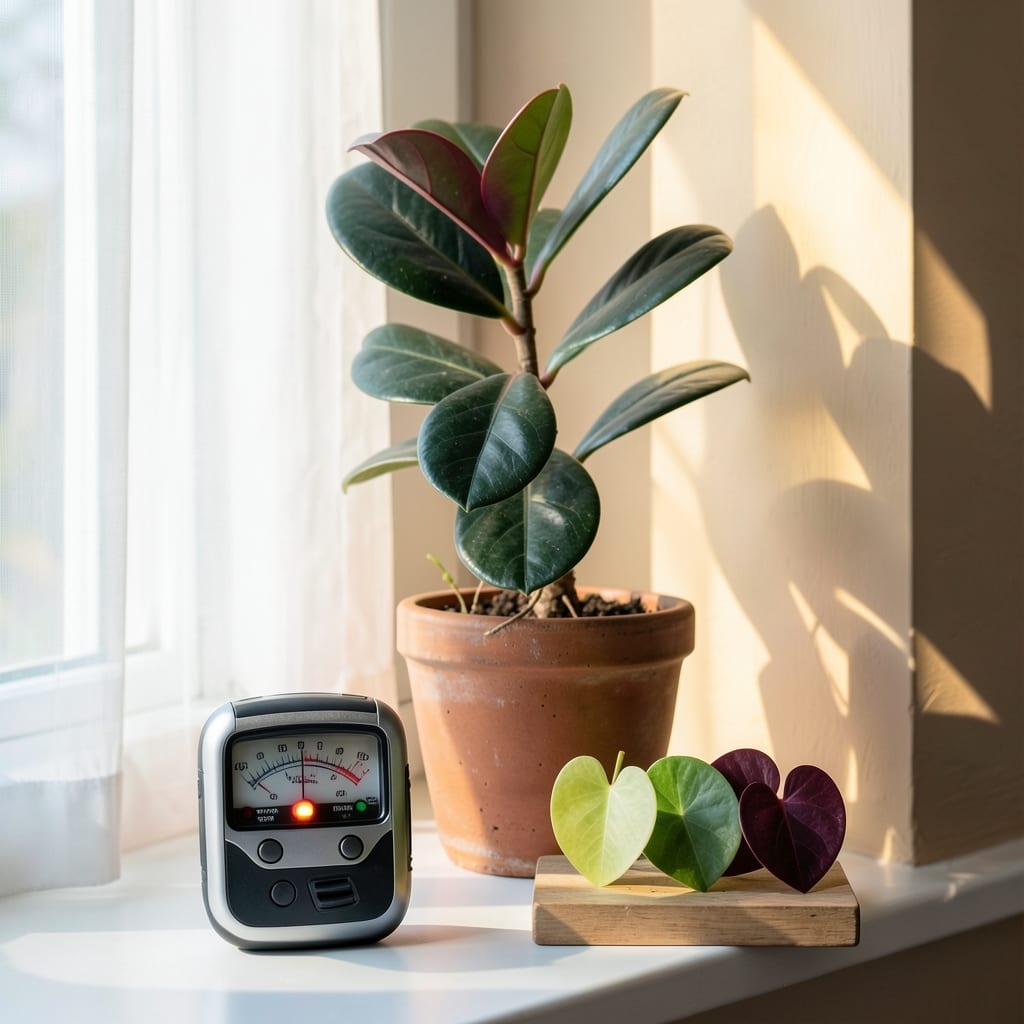
Figuring out how much light for rubber plant success can feel like walking a tightrope—too little, and your 🌿 rubber plant stretches out like it’s reaching for a snack, while too much turns its leaves into crispy snacks. But here’s the good news: with the right balance, you’ll keep those glossy leaves thriving without the guesswork.
Rubber plants are the chameleons of houseplants—they adapt to bright indirect light like a pro, but they’ll also survive in lower light conditions if you tweak a few things. The key is understanding their subtle signals, from leggy stems to faded foliage, so you can adjust before it’s too late.
In this guide, I’ll break down exactly how many hours of light your rubber plant needs—whether it’s basking near an east-facing window or thriving under artificial grow lights. You’ll learn how to spot the signs of over- or under-lighting and fix them fast, so your plant stays healthy and happy year-round.
No more second-guessing: by the end, you’ll know exactly where to place your 🌿 rubber plant for that perfect glow—without risking leaf burn or stunted growth. Let’s get started!

Optimal light requirements for rubber plant growth by stage
Rubber plants (Ficus elastica) thrive in bright indirect light, but their needs change as they grow. Seedlings and young plants require gentler conditions than mature specimens, while variegated varieties demand even more careful light management. Understanding these stages helps prevent common issues like leaf burn or stunted growth.
For seedlings, aim for 2-4 hours of filtered light daily—think dappled shade under a sheer curtain. Too much direct sun at this stage can scorch delicate leaves, while too little causes leggy growth and weak stems. Place them near a north-facing window or under a grow light for consistent, gentle illumination.
Mature rubber plants handle 4-6 hours of bright indirect light daily, making them ideal for east or north-facing windows. Position them 2-3 feet away from the glass to avoid harsh afternoon rays. If your plant develops dark green leaves with sparse gaps, it’s craving more light—gradually increase exposure over 2 weeks to avoid shock.
Variegated rubber plants (like 'Tineke' or 'White Lady') need extra bright light—up to 6-8 hours daily—to maintain their striking patterns. Without enough light, their white or pink variegation fades to plain green. South-facing windows work, but use a sheer curtain to diffuse intensity and prevent leaf scorch.
Outdoor rubber plants adapt well to partial shade (30-50% sunlight) in USDA Zone 6+. In summer, move them to morning sun only (8 AM–12 PM) to avoid afternoon heat stress. Mulch the soil to retain moisture and protect roots from temperature swings.
Winter care is critical—rubber plants enter a dormant phase with shorter daylight. Supplement with 12-14 hours of artificial light (LED grow lights work best) to maintain health. Without extra light, growth slows, and leaves may drop prematurely.
Here’s a quick reference for light needs by stage:
| Stage | Light Type | Hours/Day | Best Location |
|---|---|---|---|
| Seedlings | Bright Indirect | 2-4 | North window or grow light |
| Mature Plants | Bright Indirect | 4-6 | East/west window, 2-3 ft back |
| Variegated | Very Bright Indirect | 6-8 | South window with sheer curtain |
| Outdoor (Summer) | Partial Shade | Morning sun only | Patio or shaded garden bed |
| Winter Supplement | Artificial Light | 12-14 | LED grow light, 6-12 inches away |
Pro tip: Rotate your rubber plant quarter-turn weekly to ensure even light exposure. This prevents lopsided growth and keeps leaves vibrant. If you notice new leaves growing smaller than older ones, it’s a clear sign of insufficient light—time to adjust your setup!
For indoor setups, avoid placing rubber plants near HVAC vents or drafty windows, as temperature fluctuations stress the plant. Consistency in light and temperature is key to long-term health.
🌿
Optimal light requirements for rubber plant growth by stage
The rubber plant (Ficus elastica) thrives in bright indirect light, but its needs shift as it grows. Seedlings require 4-6 hours of filtered light daily to prevent leggy stems, while mature plants tolerate 6-8 hours of indirect sunlight. Variegated varieties need even more light to maintain their striking patterns.
Direct sunlight can scorch leaves, causing brown crispy edges, while too little light leads to pale, stretched growth. Position your plant 2-3 feet from an east or north-facing window for ideal conditions. South-facing windows work too, but use a sheer curtain to diffuse harsh rays.
| Stage | Light Needs | Hours/Day | Best Placement |
|---|---|---|---|
| Seedlings | Bright indirect | 4-6 | North-facing window or grow light |
| Mature Plants | Bright indirect | 6-8 | East or north window, 2-3 ft away |
| Variegated Varieties | Bright indirect to medium light | 6-8+ | West window with sheer curtain |
For outdoor rubber plants, morning sun is ideal, but avoid afternoon rays that exceed 70°F (21°C). In winter, supplement natural light with 12-14 hours of grow lights to maintain health. Rotate the pot weekly for even growth—this prevents lopsided exposure.
If your plant develops yellow leaves, it’s likely getting too much direct sun. Move it further back or add a sheer curtain. For dark green, sparse leaves, it needs more light—try a south-facing spot with filtered light or a grow bulb.
Rubber plants adapt to low-light conditions but grow slower. If you notice small leaves and long stems, it’s stretching toward light. Gradually increase exposure over 2-3 weeks to avoid shocking the plant with sudden bright light.
Pro tip: Use a light meter app to check intensity. Aim for 500-1,000 foot-candles of light for optimal growth. This ensures your rubber plant stays lush and vibrant year-round.