
Companion Plants
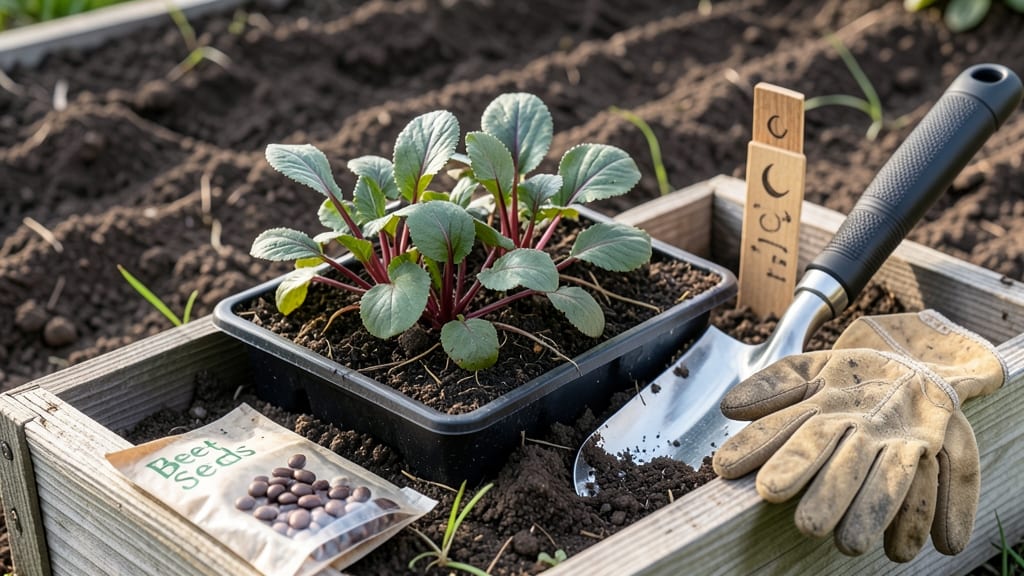
If you're wondering when to plant beets in Zone 6, timing is the secret to sweet, tender harvests instead of tough, woody roots.
The difference between a perfect crop and a disappointing one often comes down to those first few weeks before your last frost—typically around April 15 in most of Zone 6.
Beets like it cool, so planting too early risks frost damage, while waiting too late can lead to summer bolting (when they flower instead of growing roots).
The ideal window opens in March for early varieties and stretches into May for succession planting, ensuring a steady supply of 🍠 from June through July.
But here's the game-changer: fall planting works too. In Zone 6, you can sow seeds again in August for a second harvest before the first frost hits in October. This two-season strategy maximizes your yield and keeps your kitchen stocked with fresh, homegrown beets.
Ready to grow? I'll show you exactly how to time your plantings for fast germination and avoid common mistakes that ruin beet harvests—no guesswork required.
Optimal planting windows for beets in Zone 6: exact weeks before last frost
In Zone 6, beets thrive when planted at the right time—too early and frost ruins tender seedlings, too late and you risk bolting or woody roots. The average last frost date for Zone 6 is around April 15, but your exact timing depends on microclimates and soil warmth.
For the sweetest harvest, aim for 3–4 weeks before the last frost in spring and 8–10 weeks before the first frost in fall.
Beets germinate best in soil temperatures between 50–85°F. In Zone 6, this means waiting until the ground warms to at least 50°F (usually mid-March to early April in most areas).
If you plant too soon, seeds may rot in cold soil, while waiting too long risks summer heat causing bolting—when beets flower prematurely and develop bitter roots.
For a continuous harvest, I recommend planting in three waves: early spring, late spring, and early fall. This strategy ensures you’re always enjoying fresh beets from June through November, even in Zone 6’s shorter growing season. Let’s break down the exact windows for each planting period.
Your early spring planting (4–6 weeks before last frost) should start in mid-March if your soil is workable. Use row covers or cold frames to protect seedlings from late frosts.
For late spring, plant again in early to mid-April when soil is consistently warm. This second wave ensures a summer harvest just as spring beets begin to mature.
Fall planting is just as critical. Start seeds 8–10 weeks before your first frost (around August 1–15 in Zone 6). This gives beets enough time to mature before winter sets in. Choose cold-hardy varieties like 'Bull’s Blood' for fall, as they tolerate cooler temperatures better than others.
Zone 6 gardeners often overlook summer planting, but with shade cloth or afternoon shade, you can extend the season into late July. Just be prepared to harvest quickly before bolting occurs.
If you’re in the northern part of Zone 6 (e.g., near the Canada border), shift your windows 1–2 weeks later to avoid early frosts.
Pro tip: Use a soil thermometer to confirm temperatures before planting. Beets won’t germinate well below 50°F, even if the air feels warm. If your soil is still chilly, wait or use a black plastic mulch to warm it faster.
For container growers, start seeds indoors 4–6 weeks before transplanting outside. Beets grow well in 5-gallon pots or deeper, ensuring roots have room to expand. Just remember: containers dry out faster, so monitor moisture closely.
By following these exact windows, you’ll avoid the three biggest mistakes in Zone 6 beet growing: planting too early (frost damage), planting too late (bolting), or skipping fall planting (missed harvest). With this schedule, you’ll enjoy fresh beets from June through November—no gaps!
How to adjust planting for fast germination: soil prep and succession planting tips
Fast germination is the key to a thriving beet harvest in Zone 6. Beets sprout best when soil temperatures hit 50–85°F, which typically aligns with late March to early May for spring plantings. If your soil is too cold, seeds may rot; too hot, and they’ll dry out.
Aim for that sweet spot by testing soil temps with a soil thermometer or planting when daytime highs consistently reach 55°F.
Before sowing, amend your soil with 2–3 inches of compost to improve drainage and fertility. Beets thrive in loamy, well-draining soil with a pH between 6.0 and 7.0. Avoid heavy clay, which can cause roots to crack.
Work in a balanced fertilizer (5-10-10) at planting time to give seedlings a nutrient boost without overfeeding, which can lead to leafy growth at the expense of sweet roots.
🌱 Pro Tips for Faster Germination
- 1. Sow seeds shallowly: Plant ½ inch deep and 1–2 inches apart for even spacing.
- 2. Keep soil moist: Water gently to avoid displacing seeds; aim for 1 inch of water per week.
- 3. Use row covers: Protect seedlings from late frosts with lightweight fabric until soil warms.
- 4. Thin seedlings: Once leaves are 2 inches tall, thin to 3–4 inches apart to prevent competition.
- 5. Succession plant: Sow new seeds every 2–3 weeks until June 15 for a continuous harvest.
Succession planting is a game-changer in Zone 6, where the growing season is short. By staggering plantings every 2–3 weeks from late March through mid-June, you’ll enjoy fresh beets from June through October.
This method also prevents gaps in your harvest and reduces the risk of bolting (when beets flower prematurely due to heat stress). For fall plantings, aim for mid-August to early September, giving roots time to mature before the first frost.
If you’re growing beets in containers, choose deep pots (at least 12 inches deep) to accommodate their long taproots. Use a lightweight potting mix with added compost, and water more frequently—every 2–3 days—since containers dry out faster.
Place pots in a sunny spot with at least 6 hours of direct sunlight daily to ensure robust growth.
Mulching is another secret weapon for Zone 6 gardeners. Apply a 2-inch layer of straw or shredded leaves around beet plants to retain moisture, suppress weeds, and regulate soil temperature.
This is especially critical during hot summers, when mulch prevents the soil from overheating and triggering bolting. Replenish mulch as it breaks down to maintain its protective benefits.
Finally, monitor your beets for signs of stress, like yellowing leaves or stunted growth, which may indicate nutrient deficiencies or pests. A quick fix is to side-dress with compost or a balanced fertilizer mid-season.
With these adjustments, you’ll enjoy a steady supply of sweet, tender beets all season long—no gaps or disappointments!