
Plants
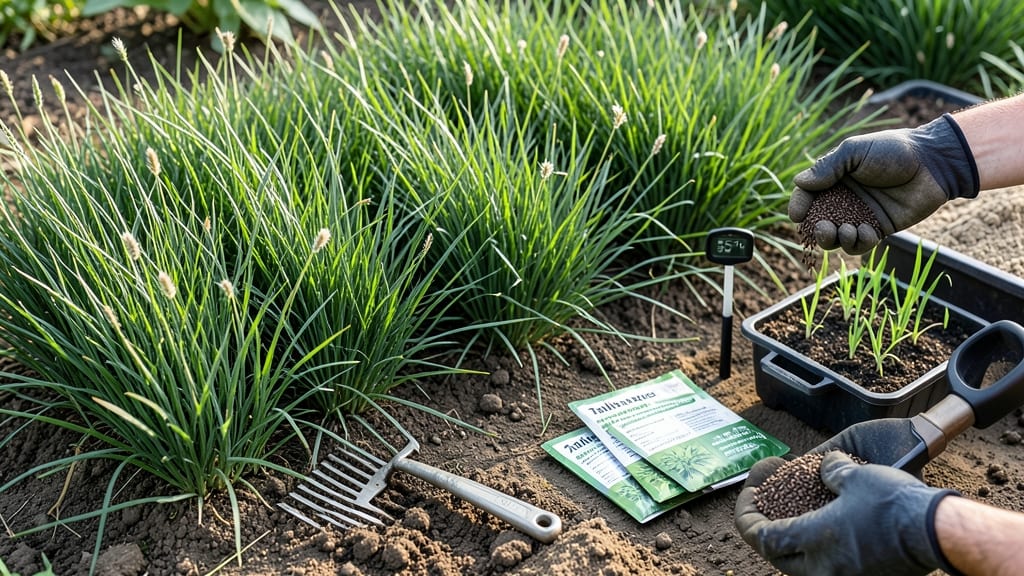
Planting grass at the wrong time in spring can turn your dream of a vibrant lawn into months of disappointment—yet most people get it wrong by weeks. The secret to fast, reliable germination isn’t just about the calendar date; it’s about understanding soil temperature science that varies by region and grass type.
If you’re in USDA Zone 6a (like much of the Midwest), waiting until soil hits 50-55°F—typically late March to early April—gives your 🌱 Grass (Turfgrass) the perfect head start.
Plant too early, and frost will kill tender seedlings; too late, and summer heat stresses new growth. I’ll show you exactly how to time it right for your climate.
Beyond frost dates, 5 critical factors (like moisture levels and seed type) shift your planting window by weeks. Cool-season grasses need early spring timing, while warm-season varieties wait for summer heat—but most homeowners mix them up. Let’s break down the science so you can avoid costly mistakes.
Ready for a lawn that establishes in 2-4 weeks instead of months? I’ll walk you through soil prep tricks, the best seed choices for your zone, and how to spot the 3 signs your grass is ready to thrive. No more guesswork—just a green carpet by summer.
Optimal soil temperature ranges for planting grass seed in spring
Getting your grass seed timing right in spring depends on one critical factor: soil temperature. Unlike air temperature, soil warmth directly impacts germination speed and seedling survival.
Most cool-season grasses (like Kentucky bluegrass and fescue) need soil between 50-55°F (10-13°C) to sprout reliably, while warm-season grasses (like Bermuda or Zoysia) prefer 65-75°F (18-24°C)—but these are planted later in summer.
Here’s the catch: Soil warms slower than air in spring, especially in northern regions. A 60°F (15°C) afternoon might feel spring-like, but your soil could still be 45°F (7°C)—too cold for seeds. That’s why soil thermometers (just $10 at garden centers) are your best tool for precision planting.
Regional differences matter too. In USDA Zone 5 or colder, aim for late April to early May when soil finally hits 50°F (10°C).
In Zone 7+, you can start as early as mid-March, but watch for late frost warnings—new seedlings can’t handle 28°F (-2°C) or below.
Pro tip: Morning soil temps are usually 5-10°F cooler than afternoon readings. Check temps at 10 AM (when seeds will first encounter the soil) for the most accurate planting window.
| Grass Type | Ideal Soil Temp (°F) | Best Planting Window | Germination Time |
|---|---|---|---|
| Cool-Season (Fescue, Bluegrass) | 50-55°F (10-13°C) | 4-6 weeks before last frost | 7-14 days |
| Tall Fescue | 55-60°F (13-16°C) | Early spring or fall | 10-21 days |
| Warm-Season (Bermuda, Zoysia) | 65-75°F (18-24°C) | Late spring to early summer | 14-28 days |
| Ryegrass (Fast Germinator) | 45-50°F (7-10°C) | Early spring or fall | 5-7 days |
🌱 Key: Check soil temps at 2-inch depth for accuracy
If you’re planting cool-season grass and your soil is below 50°F (10°C), wait—even if the air feels warm. Seeds planted too early may rot in cold, wet soil or wash away during spring rains.
For fastest germination, aim for 55°F (13°C) or warmer, which typically aligns with late April in most U.S. regions.
Another trick: Black plastic mulch can warm soil by 5-10°F in just days. Lay it down 1 week before planting to jumpstart germination in cooler climates. Just remove it once seeds sprout to avoid overheating.
For northern gardeners, combine soil temp checks with your local frost date. Plant 4-6 weeks before the last expected frost—this gives seedlings time to establish roots before 28°F (-2°C) threatens them. Use the Old Farmer’s Almanac or NOAA frost maps for your area.
Remember: Consistency beats speed. A slow-starting lawn is better than one that fails because you rushed. With the right soil temperature and patience, you’ll see green shoots in 7-14 days—not months of bare soil.
5 Critical factors that determine your exact planting window
Your spring grass planting window isn’t just about the calendar—it’s a science of balancing soil warmth, frost risk, and local conditions. Even if your neighbor plants in early March, your timeline might be weeks later due to these 5 critical factors.
Let’s break them down so you can pinpoint your perfect moment.
First, soil temperature is your #1 guide. Cool-season grasses like Kentucky bluegrass and fescue need soil at 50–55°F (10–13°C) to germinate, while warm-season types like Bermuda or Zoysia wait until 65–75°F (18–24°C).
A soil thermometer (just $10 at garden centers) takes the guesswork out—bury it 2 inches deep for accurate readings.
Last frost dates shift your window dramatically. In USDA Zone 5, frost can linger until May 15, while Zone 8 gardeners might plant as early as February. Check the National Weather Service or your local cooperative extension for your area’s average last frost—then plant 4–6 weeks before that date to avoid frost damage to tender seedlings.
🌱Visual Tip: Use the summary table below to compare how these factors interact by grass type and region.
| Factor | Cool-Season Grasses | Warm-Season Grasses |
|---|---|---|
| Soil Temp | 50–55°F (10–13°C) | 65–75°F (18–24°C) |
| Planting Window | Early spring (3–4 wks before last frost) | Late spring (after last frost) |
| Microclimate Adjustment | Wait 1–2 wks longer in frost pockets | Plant 2–3 wks earlier in heat zones |
| Seed Packet Guidance | Follow "early spring" label | Wait for "warm soil" confirmation |
| Moisture Needs | Keep soil damp (not soggy) | Deep water 2x/week once established |
Next, microclimates can shift your window by weeks. A south-facing slope warms up faster than a north-facing yard, while low-lying areas hold frost longer. I once planted tall fescue in my backyard in early April—only for the seedlings to die when a late frost hit.
Lesson learned? Observe your yard’s sun exposure and drainage patterns for 2–3 years to spot these hidden clues.
Don’t ignore the seed packet guidelines either—modern grass seeds are bred for specific conditions. If the label says "plant in early spring", it’s usually 4–6 weeks before your last frost date.
But if it says "wait for warm soil", trust it—those seeds need higher temperatures to avoid fungal diseases or poor germination. Pro tip: Call your local extension office for seed recommendations tailored to your USDA zone.
Finally, moisture levels can make or break your planting. Grass seeds need consistent moisture to germinate, but waterlogged soil suffocates roots. Aim for 1–1.5 inches of water per week (either from rain or early-morning watering).
If your spring is dry, consider mulching with straw to lock in moisture—just avoid thick layers that block sunlight.
✂️ By mastering these 5 factors, you’ll dodge the most common mistakes—like planting too early (frost kills seedlings) or too late (summer heat stresses new grass). Next, we’ll dive into soil prep tricks to give your seeds the fastest possible start.