
Planting
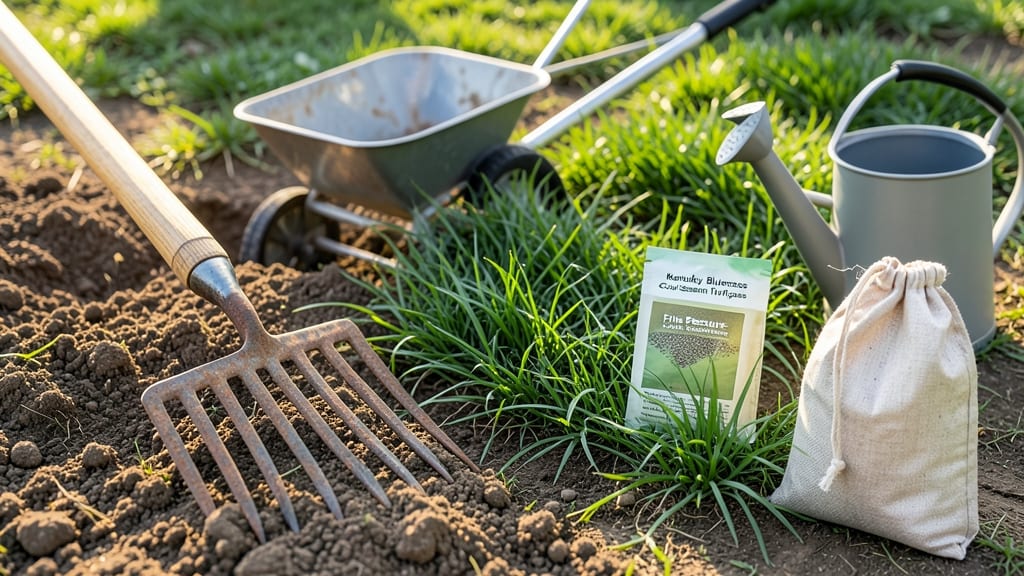
Planting grass seed at the wrong time in Washington State can turn your dream of a lush lawn into a frustrating wait—especially when unpredictable Pacific Northwest weather throws off your plans.
Whether you're in the rainy Zone 7b of Seattle or the drier Zone 5b of Spokane, timing is the key to fast germination and a thick, healthy lawn. The secret lies in knowing exactly when to plant for your specific microclimate, whether that's early spring or early fall.
I've learned the hard way that rushing the process can leave your grass seed struggling to take root.
Cool-season grasses like Kentucky bluegrass and fescue thrive when planted 4-6 weeks before the first frost or after the last frost, but Washington's variable climate means your neighbors might have different ideal windows.
Let me show you how to align your planting schedule with your local conditions for the fastest, most reliable results.
What most gardeners overlook is how soil temperature and moisture play into the equation—especially in regions where spring rains can delay planting or fall frosts arrive early.
I'll walk you through the exact steps to prepare your soil, choose the right seed blend for your zone, and avoid common mistakes that lead to patchy lawns or wasted seed. With the right timing and care, you'll be enjoying a vibrant lawn in just a few weeks.
The best part? These strategies work whether you're seeding a small patch or a full backyard. By following the zone-specific guidelines I've tested, you'll skip the guesswork and get the fast, consistent germination you're after. Let's get started on that perfect lawn timeline for your corner of Washington State.
Best planting windows by Washington State climate zones
Washington State’s diverse climate—from the cool, marine-influenced west to the drier, inland east—means one planting window doesn’t fit all.
Whether you’re in Seattle’s USDA Zone 7b or Spokane’s Zone 5b, timing your grass seed correctly is the difference between a thick, lush lawn and a patchy, slow-growing mess. Cool-season grasses like Kentucky bluegrass and fescue dominate WA lawns, thriving in mild spring and fall temperatures.
Most gardeners in Washington agree: early fall (September-October) is the golden window for seeding. Why? Cooler temps reduce weed competition, and consistent rainfall (especially in the west) keeps soil moist without overwatering risks. Spring planting (March-April) works too, but drought or late frosts can derail germination.
Warm-season grasses like Bermuda grass are rare in WA but can be seeded in late spring (May-June) if you’re in Zone 8-9a (e.g., Vancouver or Yakima).
Here’s the critical rule: Plant 4-6 weeks before your area’s first frost date or 4-6 weeks after the last frost. In Zone 5b (Spokane), that’s September 1–October 15 for fall or April 15–May 15 for spring.
In Zone 7b (Seattle), shift to September 15–October 30 or March 15–April 30. High-elevation areas (like Mount Rainier foothills) may need to delay until May to avoid early snow.
Microclimates add another layer. Coastal areas (e.g., Olympia) can plant earlier in fall (August-September) thanks to mild ocean breezes, while inland valleys (e.g., Yakima) may need to wait until October to avoid hot, dry winds that dry out seed.
Always check your local frost dates—the USDA Plant Hardiness Zone Map is your best friend.
If you’re seeding in spring, time it so the soil stays above 50°F (10°C) for 4-6 weeks—critical for germination. Use a soil thermometer to check; below 40°F (4°C) and seeds won’t sprout.
In fall, aim for 60–70°F (15–21°C) daytime temps and cool nights to encourage root growth before winter. Pro tip: Seed in the rain (or right before) in western WA to save water and reduce your workload.
One common mistake? Planting too late in fall when frost is imminent. If you miss the window, wait until spring—don’t seed in winter (seeds won’t germinate) or late summer (heat stress kills sprouts).
For high-traffic lawns, consider overseeding in early fall to thicken thin spots before winter wear-and-tear.
Washington’s variable weather means flexibility is key. If a heatwave hits in May or unseasonal rain delays fall planting, adjust by 2–4 weeks. Monitor your local NOAA weather forecasts and Washington State University Extension updates for real-time adjustments.
Remember: Cool-season grasses grow best in WA, so spring and fall are your allies—harness them!
🌱
How to prepare soil and seed for maximum germination success
Preparing your soil and seed properly is the secret to a thick, vibrant lawn in Washington State. Cool-season grasses like Kentucky bluegrass and fescue thrive when the ground is warm but not scorching, and the soil is loose and nutrient-rich.
Skipping prep steps often leads to patchy germination or wasted seed—so let’s get this right.
Start by testing your soil’s pH level, which should ideally fall between 6.0 and 7.0 for grass seed. If your soil is too acidic or alkaline, amend it with lime (to raise pH) or sulfur (to lower pH) at least 4-6 weeks before planting.
Washington’s Pacific Northwest soil often leans acidic, so this step is critical for success.