
Plants
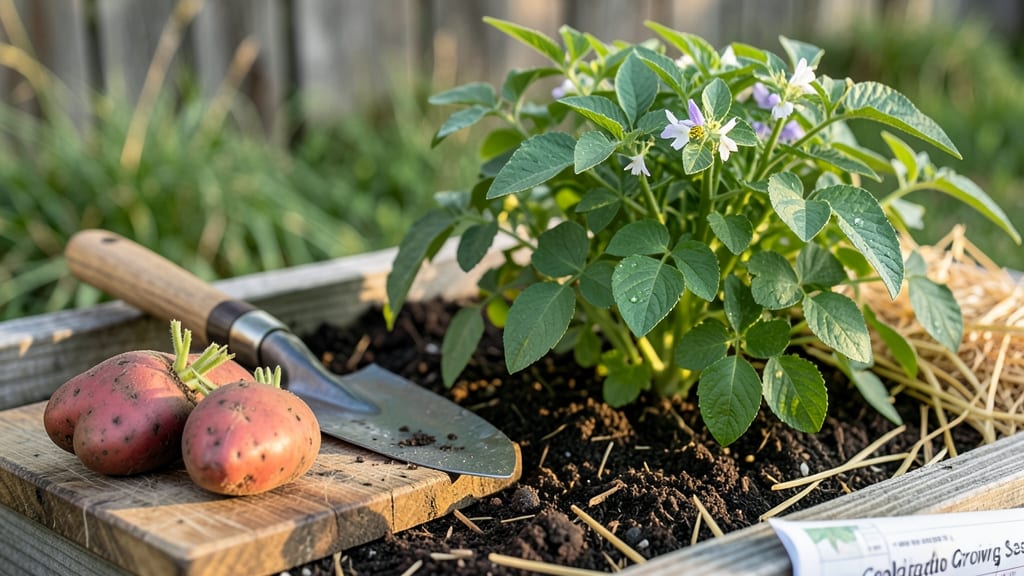
If you've ever wondered "when can you plant potatoes in Colorado", timing is everything—especially when your harvest depends on it. Colorado's 5-7 USDA zones and dramatic elevation shifts mean the wrong window could leave you with frost-bitten sprouts or stunted tubers.
The secret lies in balancing soil temperature, frost dates, and your specific elevation. Plant too early, and a late freeze will kill tender shoots; wait too long, and your 🥔 potatoes won’t mature before Colorado’s first frost.
I’ll break down the exact planting windows for your region—whether you’re in Denver’s valleys or the high-country foothills.
You’ll discover how to adjust for early vs. late varieties, when to prep your soil, and why certified seed potatoes outperform sprouted ones in Colorado’s climate. Let’s turn your potato patch from guesswork to a guaranteed harvest.
From March’s first workable soil to June’s final window, we’ll cover every critical detail—so you can plant with confidence and dig up a bounty by fall.
Colorado potato planting dates by elevation Zone (with frost risk charts)
Colorado’s diverse elevation zones mean your potato planting window can vary by hundreds of days depending on whether you're in Denver’s Front Range or the Rocky Mountain foothills. Unlike flat states, Colorado’s last frost dates shift dramatically—sometimes by weeks—just 1,000 feet higher.
For example, Denver (5,280 ft) typically sees its last frost around April 15, while Fort Collins (5,050 ft) might wait until May 1.
Potatoes thrive when soil temperatures hit 45°F (7°C), but they’ll rot if planted too early in cold, wet soil. High-altitude areas like Aspen (7,800 ft) often need to wait until mid-May for safe planting. Certified seed potatoes (not grocery-store spuds) are essential—Colorado’s humid summers make disease resistance a must.
Use this elevation-based guide to pinpoint your planting window. Lowland areas (3,500–5,000 ft) can start as early as March 15, while high-mountain zones (7,000+ ft) may need to wait until June 1.
Below, we break down the three key elevation bands with frost risk charts to help you avoid frost-killed sprouts or missed harvests.
If you’re in Zone 4 (e.g., northern Colorado), aim for late April to early May—earlier plantings risk frost damage.
For Zone 7 (southern Colorado), you can push planting to mid-May for late varieties. Always check your local CoCoRaHS station for real-time frost data—Colorado’s microclimates can shift frost dates by 10+ days just 5 miles apart.
For container growing (ideal for high-altitude areas), use 5-gallon pots filled with lightweight potting mix. Place containers in full sun and plant 2–3 weeks earlier than ground planting dates—containers warm up faster in spring. Just ensure pots have drainage holes to prevent waterlogged tubers.
Colorado’s short growing season (typically 90–120 frost-free days) means late varieties like Russet Burbank are risky in high elevations.
Stick to early or mid-season varieties unless you’re in southern Colorado, where the season stretches into October. Harvest before first frost—even hardy varieties suffer if exposed to 28°F (-2°C).
To extend your season, try straw mulching or row covers. These can push harvest dates 2–3 weeks later by trapping heat. Just remove covers before flowering to ensure pollination.
For high-altitude gardens, consider black plastic mulch—it warms soil 5–10°F faster than bare earth, letting you plant 2 weeks earlier.
One critical mistake Colorado gardeners make? Planting too deep in heavy clay soils. Aim for 4–6 inches deep, not 8+ inches—potatoes need loose soil to form tubers. Amend clay with com
How to adjust planting timing for early vs. late varieties in Colorado
Colorado’s short growing season means choosing the right potato varieties is just as important as timing. Early varieties like Yukon Gold mature in 70-90 days, while late varieties like Russet Burbank need 110-120 days.
Plant early varieties as soon as soil is workable (late March–early April) to avoid frost damage, while late varieties should go in after your last frost date (mid-April to May).
For high-elevation areas (7,000+ ft), stick to early varieties—late varieties won’t mature before frost. In lower elevations (5,000–6,500 ft), you can experiment with both, but prioritize early planting for late varieties to maximize harvest time.
Always check your last frost date (Denver: April 15, Colorado Springs: April 5, Fort Collins: May 1).
🌱 Pro Tip: If you’re unsure about frost dates, use row covers or plant in containers for early varieties. This extends your window by 2–3 weeks without risking frost kill.