
Plants
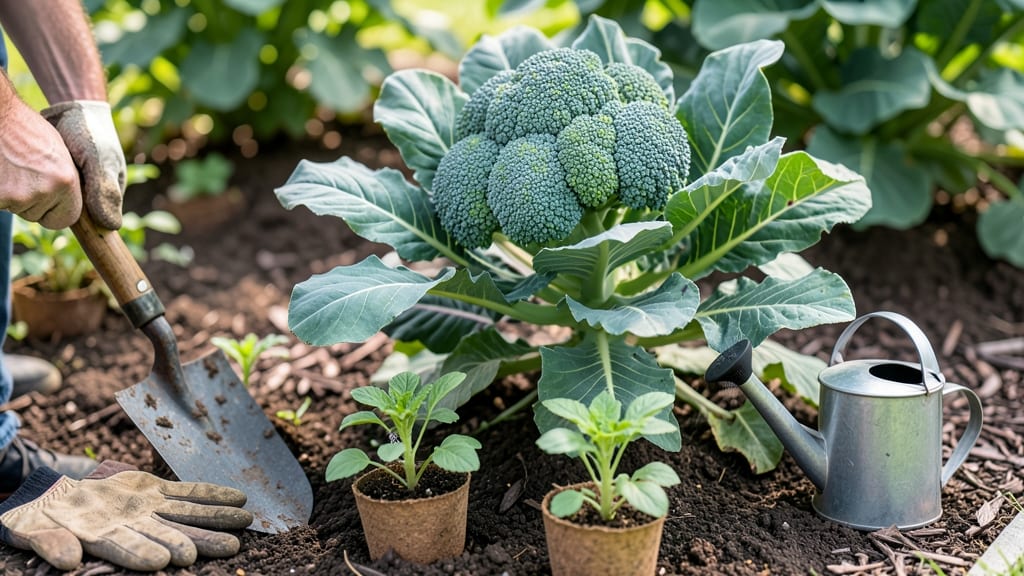
Timing your 🥦 broccoli planting in Seattle isn’t just about following a calendar—it’s about outsmarting the city’s unpredictable weather to avoid bitter, bolted disappointment. With Zone 8a’s cool, wet springs and dry summers, getting the window right means the difference between a thriving harvest and wasted effort.
Most gardeners in Seattle swear by two key planting windows: early spring (March–April) and late summer (August–September). But here’s the catch—your exact timing depends on whether you’re in the Puget Sound’s milder microclimate or inland areas with earlier frosts.
I’ll break down the exact dates and soil prep tricks to ensure your broccoli grows strong, not stressed.
You might think broccoli is a low-maintenance crop, but in Seattle’s climate, it’s all about balance. Plant too early, and frost will stunt your plants; wait too long, and the heat will send them bolting before you even see a head.
The good news? With the right strategy, you can enjoy fresh, flavorful 🥦 broccoli from late spring through fall.
Ready to master the art of Seattle broccoli growing? Let’s dive into the Zone 8 timing that’ll give you the best harvest—no guesswork, just results. You’ll learn how to read your soil, adjust for microclimates, and keep your broccoli happy from seed to harvest.
Best planting windows for broccoli in Seattle’s Zone 8 climate
Seattle’s Zone 8a climate offers two prime windows for growing broccoli: early spring and late summer. Unlike warmer regions, our cool, wet springs and mild summers create ideal conditions when timed correctly.
The key is planting 4-6 weeks before the last frost date (typically March 15) for spring harvests or 90-100 days before the first frost (around November 15) for fall crops.
Spring planting (March-April) gives broccoli enough time to mature before Seattle’s summer heat triggers bolting. Fall planting (August-September) avoids the heat while still providing full sun exposure for head formation.
Microclimates matter too—Eastside areas like Bellevue may tolerate slightly later spring plantings, while West Seattle’s cooler coastal influence allows earlier starts.
Soil temperature is critical. Broccoli seeds need 40-50°F soil to germinate, which Seattle typically hits by mid-March. Use a soil thermometer to confirm—cold, wet soils can delay germination by weeks. If planting in late winter (February), opt for transplants instead of seeds to avoid rot.
🌱 Seattle Broccoli Planting Timeline
| Season | Planting Window | Soil Temp | Frost Risk | Harvest Window |
|---|---|---|---|---|
| Spring | March 1–April 15 | 40–50°F | Low (after March 15) | May–June |
| Fall | August 1–September 10 | 50–60°F | High (after Nov 1) | October–November |
Pro Tip: Use row covers for late spring plantings to protect from unpredictable late frosts in Seattle’s Puget Sound region.
For succession planting, stagger seeds every 2 weeks in spring or 3 weeks in fall. This ensures a continuous harvest and reduces bolting risk. In Seattle’s short growing season, prioritize fast-maturing varieties (50–60 days to harvest) if planting near the season’s edges.
Direct sowing is best for Seattle’s climate, but transplants work too if started indoors under grow lights 4–6 weeks before the last frost. Harden off seedlings for 7–10 days before transplanting to avoid shock.
Choose well-draining soil with a pH of 6.0–7.0—Seattle’s acidic soils often need lime amendments before planting.
Watch for microclimate variations. Urban heat islands (like Downtown Seattle) may require shade cloth in summer, while mountainous areas (e.g., Snoqualmie) can handle earlier starts. Always monitor weather forecasts—Seattle’s unpredictable rain can delay planting or cause seed rot.
Plan for fall harvests by planting 90 days before frost. If you miss this window, consider overwintering with straw mulch—some varieties survive light frosts and produce sweeter heads after winter chilling. Just avoid planting after September 15, or heads may bolt before maturity.
Seattle’s cool summers make bolting less likely than in hotter climates, but consistent moisture is non-negotiable. Use drip irrigation to keep soil evenly wet—fluctuating moisture stresses plants and triggers premature flowering. Mulch with straw or wood chips to retain soil moisture and suppress weeds.
Finally, rotate crops annually to prevent disease buildup. Broccoli is heavy-feeding, so amend soil with compost or aged manure before planting. In Seattle’s clay-heavy soils, mix in sand or peat moss to improve drainage—a common issue in West Seattle gardens.
Best planting windows for broccoli in Seattle’s Zone 8 climate
Seattle’s mild, wet winters and cool summers create perfect conditions for broccoli—but timing is everything. Plant too early, and your heads may bolt from warm spells. Too late, and frost will stunt growth. The key is soil temperature and microclimates across the city.
In Zone 8a Seattle, aim for two planting windows: early spring (March–April) and late summer (August–early September). These align with soil temps of 40–50°F, ideal for germination.
Use frost dates as your guide: plant 4–6 weeks before the last frost (March 15) or 90–100 days before the first frost (November 15).
🌱 Seattle Broccoli Planting Timeline
| Stage | Action | Notes |
|---|---|---|
| Spring Planting | March–April | Soil temp: 40–50°F; harvest May–June |
| Fall Planting | August–Early Sept | 90–100 days before frost; harvest Oct–Nov |
| Soil Prep | Before planting | pH 6.0–7.0; add compost |
| Microclimate Tip | Eastside vs. West Seattle | Eastside: plant 1–2 weeks earlier; West Seattle: extend fall season |
Seattle’s microclimates matter: Eastside areas like Bellevue (warmer) can plant 1–2 weeks earlier than West Seattle (cooler, wetter). For container gardening, use black plastic mulch to warm soil faster in spring. In fall, row covers protect tender seedlings from early November chills.
Test soil 2 weeks before planting—broccoli thrives in well-draining, slightly acidic soil (pH 6.0–7.0). Amend with compost or aged manure if your soil is heavy clay (common in South Seattle). Avoid fresh manure, which can cause bolting from excess nitrogen.
If you miss the spring window, don’t despair! Succession planting every 2 weeks through May keeps your harvest going. For fall, start seeds indoors in July to transplant outdoors in August. This extends your season and prevents bolt-resistant summer heat stress.
Pro tip: Direct-sow seeds (don’t transplant) for hardier seedlings. Seattle’s cool, damp springs can stress young plants, so plant seeds ½ inch deep and keep soil moist until germination (7–14 days). Thin seedlings to 12–18 inches apart to prevent crowding, which invites disease.
Remember, bolting is your biggest enemy in Seattle’s unpredictable weather. By following these timing guidelines and soil prep tips, you’ll avoid bitter, flowery heads and enjoy crisp, sweet broccoli straight from your garden. Happy planting! 🌱