
Plants
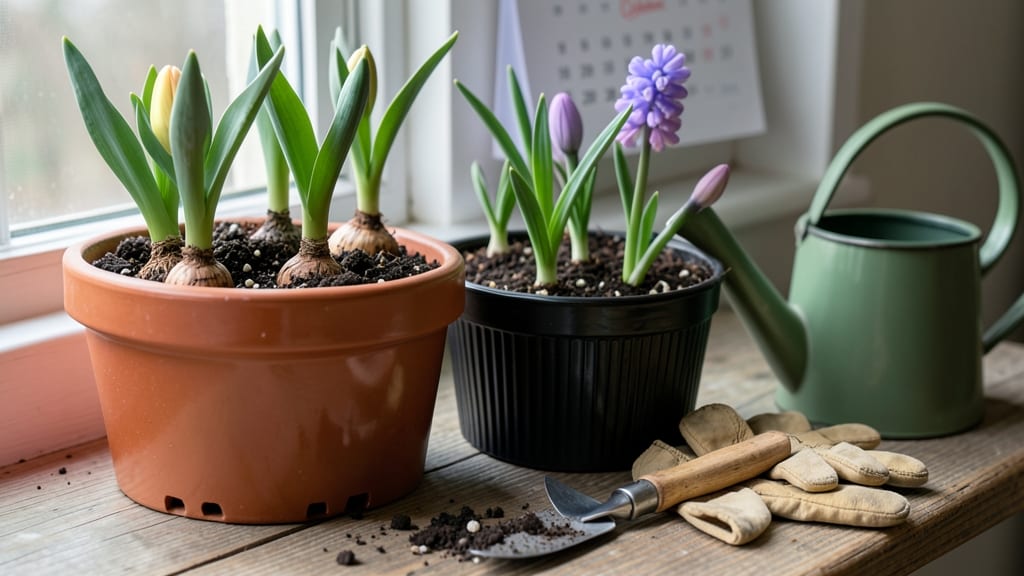
Planting bulbs in pots can transform your balcony or patio into a burst of spring color—but timing is the key to success. Get it wrong, and you might end up with wilted blooms or bulbs that never sprout.
The secret lies in understanding when to plant for your specific climate, whether you're growing daffodils, hyacinths, or tulips.
For most gardeners in USDA Zone 6a, fall planting is ideal, giving bulbs time to root before winter. But what if you're in a warmer zone or want indoor blooms?
The rules change. I'll walk you through the exact months to plant, how to adjust for indoor vs. outdoor pots, and what to watch for to avoid common mistakes.
You'll discover how to extend your blooming season, choose the right bulbs for containers, and even troubleshoot if your plants look sickly. Whether you're a beginner or a seasoned gardener, these tips will help you grow healthier, more vibrant bulbs that thrive year after year.
Ready to turn your pots into a garden oasis? Let's dive into the month-by-month guide that guarantees zero frost risk and maximum blooms. Your future spring display starts with the right timing—let's get planting!
Best months to plant bulbs in pots by climate zone
Timing your bulb planting is the secret to vibrant blooms and zero frost damage. Most bulbs—like tulips, daffodils, and hyacinths—need 6-8 weeks of cool soil before winter to root properly.
Plant too early, and they’ll rot; too late, and frost kills them before sprouting. Here’s your zone-by-zone planting calendar.
In USDA Zones 3-5, aim for September to early October for fall planting. Warmer zones (6-10) can extend this to November. For spring blooms, plant in February or March after the last frost date. Summer-blooming bulbs like dahlias go in late spring (May-June) once soil warms.
🌱
| Zone | Fall Planting Window | Spring Planting Window | Best Bulbs for Pots |
|---|---|---|---|
| 3-5 | September 15–October 15 | March 1–April 15 | Tulips, Daffodils, Hyacinths |
| 6-7 | October 1–November 15 | February 15–March 30 | Crocus, Snowdrops, Allium |
| 8-10 | November 1–December 15 | January 1–February 15 | Paperwhites, Freesias, Rain Lilies |
🌿 Pro Tip: Use a thermometer to check soil temps—ideal is 40–50°F for rooting.
For outdoor pots, time planting so bulbs sprout 2-3 weeks before the last frost. In Zone 7, that’s usually mid-March. In Zone 10, you can plant year-round with minimal dormancy, but aim for fall to mimic natural cycles.
If you live in a hot climate (Zones 9-10), prioritize shade-tolerant bulbs like rain lilies or paperwhites. These thrive in partial shade and won’t scorch in summer heat. Tulips and hyacinths need cooler temps, so plant them in deep pots with gravel drainage to prevent rot.
💧 Watering Tip: After planting, water deeply to settle soil but avoid soggy pots. Bulbs need consistent moisture for root growth, but no standing water—this causes rot.
Ever wondered why some bulbs bloom in spring and others in fall? It’s all about their natural dormancy cycle. Spring bloomers (like tulips) store energy over winter, while fall bloomers (like crocus) grow roots in summer for autumn flowers. Potted bulbs break this cycle, so adjust watering and light to mimic their needs.
For container gardening, choose well-draining pots with drainage holes. Terracotta works best for heat zones, while plastic retains moisture longer in cooler climates. Layer bulbs with larger ones at the bottom and smaller ones on top—this saves space and mimics natural bulb clusters.
✂️ Pruning Alert: After blooms fade, leave foliage until it turns yellow. This feeds the bulb for next year’s flowers. Cut back only when leaves are completely crispy.
In warmer zones, you can plant bulbs in succession every 2-3 weeks for continuous blooms. For example, plant tulips in November, then daffodils in December, and hyacinths in January. This creates a staggered spring display that lasts 6-8 weeks!
🌷 Final Check: Before planting, inspect bulbs for soft spots or mold. Discard any that feel mushy—these won’t survive. Healthy bulbs should be firm, plump, and free of sprouts unless you’re planting pre-sprouted bulbs (like paperwhites).
How to adjust planting time for indoor vs outdoor pots
Planting bulbs in pots indoors gives you year-round blooms, but the timing rules differ drastically from outdoor containers. Indoor bulbs need artificial chilling to mimic winter dormancy, while outdoor pots rely on natural frost cycles.
Let’s break down the key differences to avoid common pitfalls like premature sprouting or wasted bulbs.
For outdoor pots, timing aligns with your local frost dates—plant 6-8 weeks before first frost for spring blooms. But indoor pots require a pre-chilling period of 8-12 weeks in the fridge (35-40°F) before planting. This trick fools bulbs into thinking winter has passed, ensuring synchronized blooms.
Here’s the catch: Indoor bulbs planted too early may sprout before their time, while outdoor bulbs planted too late risk rotting in cold, soggy soil. The solution? Adjust your schedule based on whether your pots stay inside or brave the elements.
Indoor vs Outdoor Pots: Pros & Cons
- Pros: Year-round blooms, no frost risk
- Cons: Requires fridge chilling, limited bulb variety
- Pros: Natural frost cycle, wider bulb selection
- Cons: Frost damage risk, seasonal blooms only
If you’re growing bulbs indoors, start the chilling process in late summer (August-September) for spring blooms. Plant them in pots by October-November, then move to a cool, dark spot until shoots appear.
For outdoor pots, wait until after your last frost date in early spring to plant—typically March-April in most zones.
Protect outdoor pots from late frosts with burlap wraps or move them to sheltered spots. For indoor pots, avoid placing them near heat vents—consistent cool temps (50-60°F) after chilling keep blooms vibrant. A simple thermometer in your growing area helps track ideal conditions.
Remember: Bulbs planted in pots indoors can rebloom if given proper care, while outdoor pots often need replacing after 2-3 years. With the right timing, you’ll enjoy cutting-garden-worthy blooms whether your pots sit on a windowsill or patio.