
Plants
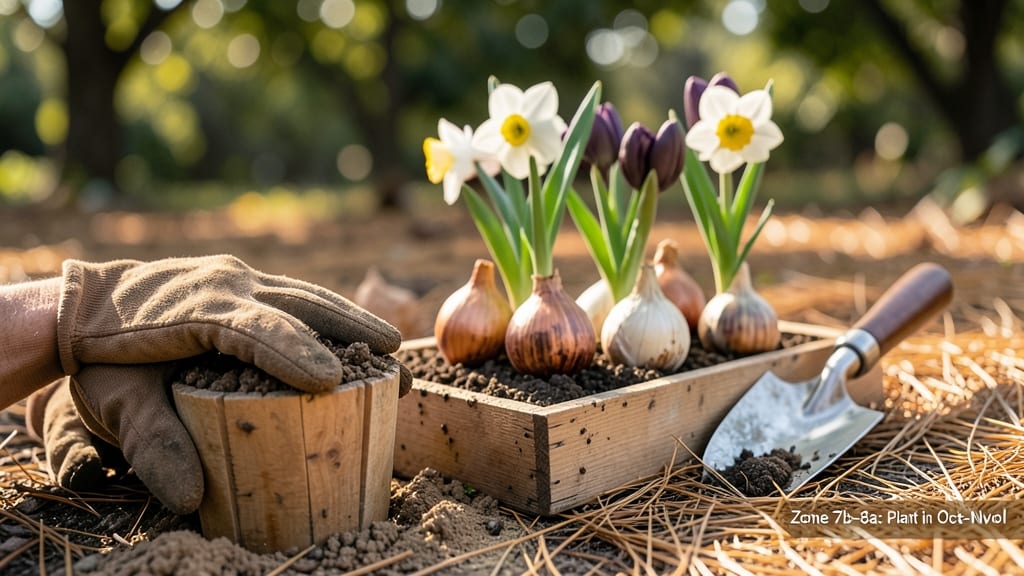
Planting Spring Flowering Bulbs (e.g., Tulips, Daffodils, Hyacinths) 🌷 in South Carolina might seem simple, but getting the timing right can mean the difference between a vibrant spring display and wasted effort.
With our mild winters and variable frost dates—especially in zones 7a-8b—you need a strategy that accounts for chill-hour needs and regional microclimates.
Most gardeners know fall is the ideal window, but did you realize September through November offers the perfect balance? Planting too early risks rot, while waiting too long leaves bulbs vulnerable to early frosts.
The key is understanding how your specific location—whether coastal Charleston or the Piedmont hills—affects soil temperatures and frost timing.
I’ll break down the exact chill-hour requirements for popular bulbs and when to plant them for zero-frost success. You’ll learn how to prep your soil, space bulbs correctly, and mulch for protection—all tailored to South Carolina’s unique climate. Let’s make sure your garden bursts with color next spring.
Whether you’re a first-time planter or a seasoned gardener, these tips will help you avoid common mistakes and get the most out of your Spring Flowering Bulbs (e.g., Tulips, Daffodils, Hyacinths) 🌷. Ready to transform your landscape with minimal effort? Let’s get started.
South Carolina bulb planting calendar by chill-hour requirements
South Carolina’s mild winters and variable frost dates mean traditional bulb planting timelines don’t always apply. Unlike colder northern states, many spring-blooming bulbs thrive here with fewer chill hours—but timing still matters.
The key is understanding each bulb’s chill-hour requirement and planting them when your region’s average last frost (typically mid-November) is approaching.
For example, daffodils and tulips need 10+ chill hours to bloom reliably, while rain lilies and crocuses often naturalize with 0-5 chill hours. Planting too early in warm microclimates (like Charleston) can trigger premature sprouting, while waiting too long risks bulbs not establishing roots before frost.
Let’s break down the planting windows by chill-hour category to ensure zero-frost success.
🌱 South Carolina Bulb Planting Guide by Chill-Hour Needs
| Bulb Type | Chill-Hour Need | Ideal Planting Window | Notes for SC |
|---|---|---|---|
| Daffodils (Narcissus) | 10-15 hours | Mid-September to early November | Hardy; plant deeper (6-8") in warmer zones. |
| Tulips (Tulipa) | 10-15 hours | Late September to mid-November | Needs well-draining soil; mulch after planting. |
| Hyacinths (Hyacinthus) | 10+ hours | October to early December | Best in partial shade; avoid soggy soil. |
| Rain Lilies (Zephyranthes) | 0-5 hours | September to November | Thrives in heat; plant shallow (2-3"). |
| Crocuses (Crocus) | 0-10 hours | October to December | Early bloomer; great for winter color. |
| Spider Lilies (Hymenocallis) | 0 hours | Spring or fall | Heat-loving; mulch heavily in winter. |
Notice how bulbs with 10+ chill hours (like tulips) have a tighter planting window in South Carolina. Plant them too early in Zone 8a (e.g., Columbia), and they may sprout before winter—only to die back in a late frost.
Conversely, low-chill bulbs like rain lilies can be planted later, even into December, as long as the soil isn’t frozen.
For coastal areas (e.g., Myrtle Beach), where winters are milder, aim for late October to November to avoid premature sprouting. In upstate SC (Zone 7b), you can start as early as September for bulbs like daffodils, which handle cooler soils better.
Always check your local USDA Zone and average frost dates—tools like the Old Farmer’s Almanac provide yearly updates.
Pro tip: If you’re unsure about your microclimate, opt for hybrid bulbs labeled as “low-chill” or “heat-tolerant.” Brands like Dutch Master and Barenbrug offer varieties bred for Zone 7-8 conditions. These bulbs often bloom earlier and more reliably in South Carolina’s mild winters.
Another critical factor is soil temperature. Bulbs need soil temps between 40-60°F to root properly. Use a soil thermometer to check—if temps are above 60°F, wait a week or two before planting. In
Best fall planting months for South Carolina’s climate zones
South Carolina’s USDA zones 7b-8a create unique challenges for bulb planting, with coastal areas like Charleston and Piedmont regions experiencing different frost patterns. The key is planting 6-8 weeks before the first frost, which typically falls between mid-November and early December.
However, microclimates in the Lowcountry may stay frost-free longer, extending your window.
For most of the state, October is the sweet spot—cool enough for bulbs to establish roots but warm enough for easy digging. In higher elevations (Piedmont), aim for early October to avoid early frosts, while coastal gardeners can plant well into November.
Always check your local frost date averages for precision.
Here’s how to adjust your timing based on your specific zone and microclimate:
- Zone 7b (Piedmont): Plant September 15-October 15. Early frosts are common, so don’t wait past mid-October.
- Zone 8a (Coastal/Lowcountry): Plant October 1-November 15. Warmer microclimates allow later planting.
- Elevated Areas (Mountains): Plant September 1-October 10. Colder nights arrive earlier.
- Urban Heat Islands: Plant October 15-November 1. Concrete and pavement can delay frost slightly.
Soil preparation is just as critical as timing. Work in 2-3 inches of compost or aged manure to improve drainage, especially in clay-heavy soils common in the Piedmont. Bulbs rot quickly in soggy soil, so amending with sand or perlite can help if your garden holds moisture.
After planting, apply a 3-inch layer of mulch (straw or shredded leaves work well) to insulate bulbs from temperature swings. This is especially important in coastal areas, where daytime warmth can trick bulbs into sprouting too early. Mulch also suppresses weeds, reducing competition for nutrients.
If you miss the fall window, don’t despair—some bulbs like rain lilies and spider lilies can be planted in early spring. However, traditional spring-flowering bulbs (tulips, daffodils, hyacinths) won’t have time to root properly and may fail to bloom. Plan ahead to avoid disappointment!