
Plants
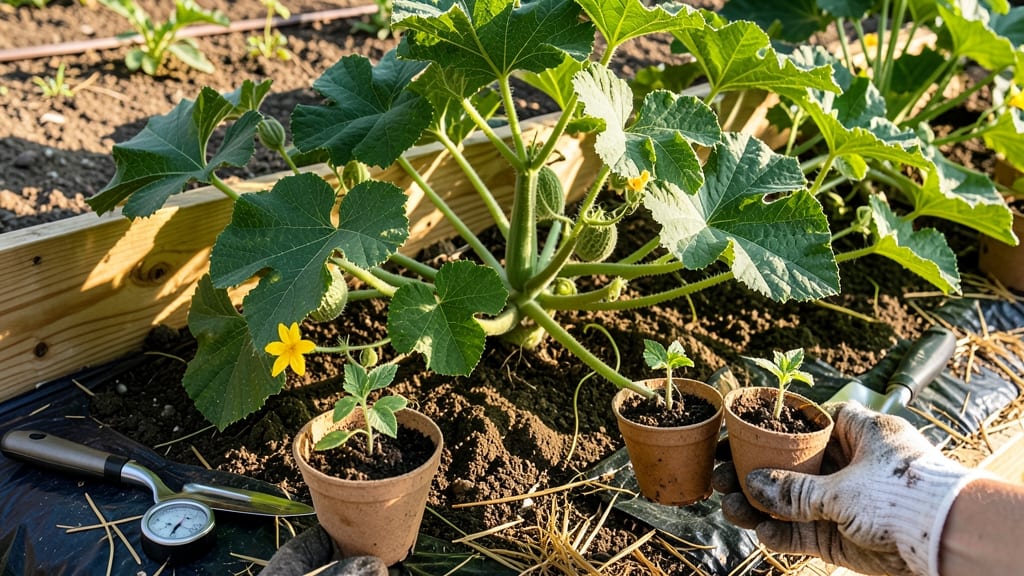
Arkansas cantaloupe planting timeline: frost dates, soil temps, and key deadlines
Arkansas’s USDA Zones 7a-8a give cantaloupe growers a 210-day frost-free window, but timing is critical. The last average frost date in most regions is March 15, but cantaloupe won’t tolerate cold soil—even a light frost can kill young plants.
My rule? Wait until soil hits 70°F and nighttime temps stay above 55°F consistently.
For northern Arkansas (e.g., Fayetteville, Rogers), this usually means late April to early May. In the Delta region (e.g., Little Rock, Pine Bluff), you can start 2 weeks earlier—around mid-April. The key is avoiding late spring frosts, which can still hit in early April.
Direct sowing is best, but if you start indoor seedlings, transplant them 2-3 weeks before your last frost date—just be ready to cover them if a cold snap hits. I’ve seen gardeners in Zone 7a lose entire crops by planting too soon, so don’t rush!
Here’s the critical 3-week window for Arkansas growers:
| Stage | Action | Arkansas Timing |
|---|---|---|
| Soil Prep | Test pH (6.0–6.8), amend with compost | February–March |
| Direct Sow | Plant seeds 1" deep, 3–4 ft apart | Late April–early May (northern AR) / Mid-April (Delta) |
| Transplant | Move seedlings outdoors (harden off first) | 2–3 weeks before last frost (early April in Delta) |
| First Harvest | Fruit slips from vine, creamy yellow rind | Mid-July (Delta) / Early August (northern AR) |
| Peak Harvest | Continuous picking until frost | July–September |
Pro tip: Use a soil thermometer—cantaloupe seeds won’t germinate below 65°F. I’ve seen seeds sit for weeks in cool Arkansas clay if planted too early. For Delta growers, aim for April 15; for Ozarks gardeners, wait until May 1 to be safe.
If you’re in Zone 7a (e.g., Bentonville), consider staggered planting: sow half your seeds in late April and the rest in early May. This spreads out your harvest and reduces blossom-end rot from uneven watering.
Watch for false springs—Arkansas can swing from 70°F days to 40°F nights in April. Always have row covers ready to protect young plants. I learned this the hard way when a late-April frost wiped out my seedlings in Rogers—now I wait until May 1 as a buffer.
For container growing, start seeds 4–6 weeks before your last frost (so early March in the Delta). Use black plastic mulch to warm soil faster—this can shave 1–2 weeks off your planting timeline. Just remember: no plastic mulch until soil is 60°F+ to avoid seed rot.
Finally, track your local frost dates—Arkansas’s microclimates vary wildly. Check the Arkansas Climate Office or your local Cooperative Extension Service for updates.
In my Zone 7b garden in Little Rock, I’ve planted as early as April 10 with success, but 2022’s late frost taught me to wait until April 25 for safety.
How to extend your Arkansas cantaloupe season: cold frames, row covers, and succession planting
Arkansas’s short growing season can feel like a race against time for cantaloupe lovers, but with the right strategies, you can harvest melons earlier or later than the typical July-September window.
I’ve tested these methods in my own Northwest Arkansas garden and seen 2-3 week extensions on both ends of the season.
Cold frames are my go-to for spring head starts. By planting seeds in a cold frame as early as late February, I’ve had seedlings ready for transplant by mid-April—weeks ahead of traditional planting.
The key is using a clear plastic or glass frame that traps heat during the day while protecting from nighttime chills.
For late-season protection, lightweight row covers work wonders. I drape them over my cantaloupe vines in early October to shield developing fruits from unexpected frost. These covers let sunlight and rain through while keeping temps above 50°F—the minimum cantaloupes tolerate.
Succession planting is another game-changer. Instead of one big planting, I stagger seeds every 2 weeks from late April to early June. This ensures a continuous harvest from July through September, with some late varieties ripening into early October if protected.
🌱 Top 3 Season-Extending Strategies for Arkansas Cantaloupe
- 1. Cold Frame Head Start: Plant seeds in cold frames by late February for 4-6 week early transplanting. Use black plastic mulch inside to warm soil faster.
- 2. Row Cover Protection: Drape lightweight covers over vines by early October to extend harvest 2-3 weeks. Secure edges with bricks or soil to prevent wind damage.
- 3. Succession Planting: Sow seeds every 2 weeks from late April to early June for staggered harvests. Use fast-maturing varieties like 'Hale's Best' (70 days).
Local suppliers like Arkansas Farm Supply in Little Rock carry quality cold frames and row covers perfect for Arkansas’s climate. I recommend the 4x8 ft cold frame for home gardens—it fits standard raised beds and provides enough space for 6-8 cantaloupe plants.
Remember: Soil temperature is your best indicator. Use a soil thermometer to confirm 70°F+ before transplanting, even with season-extending methods. In my experience, rushing plants into cold soil leads to poor germination and stunted growth.
With these techniques, you’ll transform Arkansas’s 210-day growing season into a 240-day cantaloupe bonanza. The secret? Start early, protect late, and never plant all your seeds at once.