
Plants
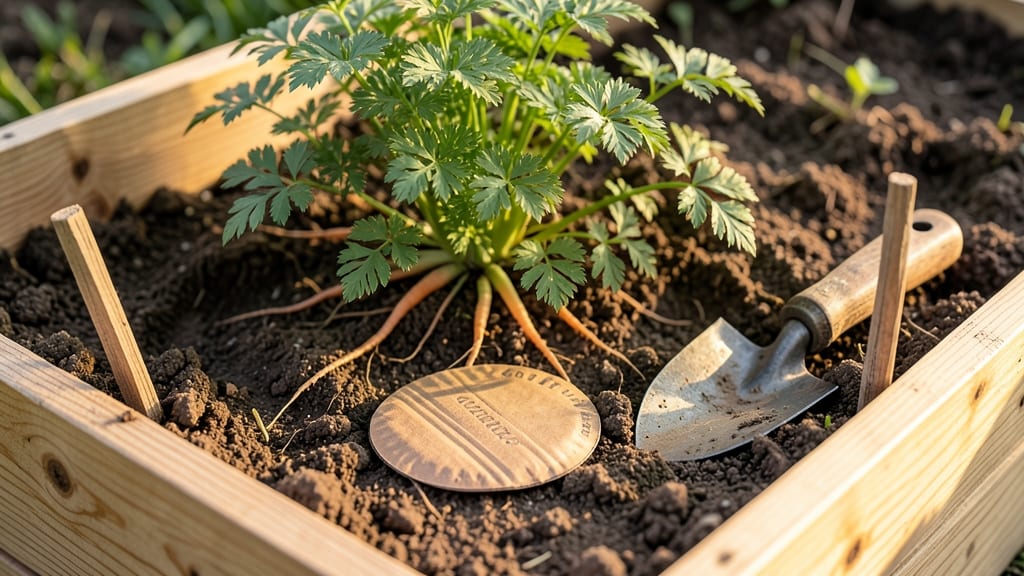
Timing your 🥕 carrot planting in Zone 6a isn’t just about throwing seeds in the dirt—it’s the difference between sweet, crisp roots and bitter, stunted failures. If you’ve ever pulled up carrots that look more like question marks than perfect cylinders, you know how critical this is.
Zone 6a’s short growing season means you’ve got just two chances to nail it: early spring and late summer. Plant too early, and frost will ruin your crop; too late, and your carrots might bolt before reaching full size.
The key is understanding your last frost date—around April 15—and working backward to maximize your harvest window.
I’ve grown carrots in this zone for years, and I’ll show you exactly when to start seeds, how to adjust for soil temperature, and why succession planting can give you a fall harvest too. Skip the guesswork and learn the most efficient schedule for Zone 6a’s climate.
Whether you’re a beginner or a seasoned gardener, these tips will help you avoid common mistakes like planting too deep or waiting too long. Let’s get those carrots growing straight and strong—no more gnarled surprises!
Best planting times for carrots in Zone 6a: spring vs fall schedule
In Zone 6a, timing is everything when planting carrots. The last frost date (around April 15) and first frost date (around October 15) create a 165-day growing window—just enough for two harvests if you plan carefully.
Spring plantings give you summer carrots, while fall plantings extend your harvest into early autumn.
Carrots thrive in cool soil temperatures between 55°F and 85°F. Planting too early in cold soil can stunt germination, while waiting too long risks bolting (flowering prematurely) as summer heat arrives.
The key is to start seeds when soil temps hit 50°F—usually mid-March to early April for spring and late July for fall.
Here’s the breakdown of your Zone 6a carrot planting schedule, including critical soil temp thresholds and frost risks:
| Planting Window | Soil Temp | Frost Risk | Best Varieties |
|---|---|---|---|
| Early Spring (March 15–April 1) | 50°F–55°F | High (last frost) | Danvers, Nantes |
| Late Spring (April 15–May 15) | 55°F–65°F | Low | Chantenay, Paris Market |
| Fall (July 20–August 15) | 60°F–70°F | Moderate (first frost) | Little Finger, Purple Haze |
For spring plantings, aim to sow seeds 4–6 weeks before your last frost date. In Zone 6a, this means mid-March to early April. Use row covers or cold frames to protect seedlings if nighttime temps dip below 40°F.
If you miss this window, don’t panic—you can still plant late spring (April–May), but choose bolting-resistant varieties like ‘Bolero’ or ‘Rainbow’.
Fall plantings are trickier but rewarding. Start seeds 8–10 weeks before your first frost (around late July in Zone 6a). The goal is to harvest before soil temps drop below 50°F, which can cause roots to become woody or split.
Use black plastic mulch to warm the soil and extend the season by 2–3 weeks.
Avoid planting carrots in mid-summer (June–July) unless you’re using shade cloth. The heat and drought of Zone 6a summers often cause carrots to bolt or develop forked, bitter roots. Instead, opt for heat-tolerant varieties like ‘Sweet Crunch’ and water deeply every 2–3 days to keep soil moist.
Pro tip: Direct-sow carrot seeds—they hate being transplanted. Thin seedlings to 2–3 inches apart once they’re 2 inches tall to prevent crowding. In Zone 6a’s rocky soil, mix in compost and sift out large stones to ensure straight, pencil-thick roots.
🌱
Best planting times for carrots in Zone 6a: spring vs fall schedule
In Zone 6a, timing is everything when growing carrots. The last spring frost typically hits around April 15, but soil temperatures must reach 50°F (10°C) for seeds to germinate.
Planting too early risks frost damage, while waiting too long can lead to bolting before harvest. My strategy? Aim for two planting windows: early spring and late summer.
For spring planting, start seeds indoors 4-6 weeks before your last frost date or direct-sow outdoors in March once soil warms. In Zone 6a, this means sowing late March to early April.
Fall planting should begin in July for a harvest before frost—typically by October 15.
🥕 Zone 6a Carrot Planting Comparison
| Season | Planting Window | Soil Temp | Frost Risk | Harvest Time |
|---|---|---|---|---|
| Spring | Late March–Early April | 50°F+ (10°C+) | Low (after April 15) | July–September |
| Fall | Late July–Early August | 60°F+ (15°C+) | High (after October 15) | October–November |
💡 Pro Tip: Use a soil thermometer to confirm temperatures before sowing.
One common mistake in Zone 6a is planting carrots too late in spring. If seeds go in after May 1, they may bolt before reaching maturity. For fall, avoid starting after August 1—roots won’t have enough time to mature before frost.
I’ve found that succession planting every 2 weeks in spring keeps a steady harvest.
Another trick? Row covers can extend your fall season by 2-3 weeks. I use them to protect seedlings from early frosts in September, giving carrots extra time to grow.
Just remove covers during the day to prevent overheating. For soil prep, focus on loose, stone-free beds—carrots hate obstacles!
If you’re new to Zone 6a gardening, start with short-season varieties like ‘Early Nantes’ or ‘Paris Market’. These mature in 50-60 days, perfect for squeezing into your 165-day frost-free season. Avoid longer varieties like ‘Chantenay’ unless you’re committed to fall planting.
Remember: Consistent moisture is key—carrots need 1 inch of water weekly, but avoid soggy soil. Mulch with straw to retain moisture and keep roots straight. With these tips, you’ll enjoy crisp, sweet carrots from July through November! 🥕