
Plants
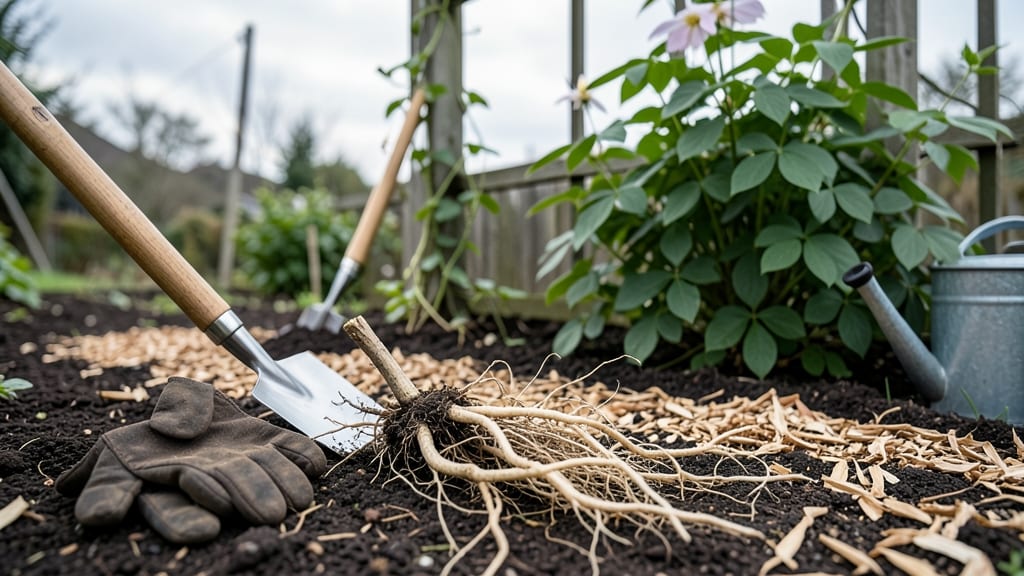
If you’ve ever planted clematis in Indiana only to watch your 🌸 vines struggle through harsh winters or miss peak bloom season, you’re not alone. The key to thriving clematis lies in planting them at the right time—when the soil is workable but frost isn’t lurking around the corner.
Indiana’s USDA zones 5b-6b mean you’ve got a narrow window to get clematis in the ground without risking winter damage or stunted growth.
Whether you’re a seasoned gardener or just starting, timing your planting—whether in early spring or fall—can make the difference between a showstopping vine and a sad, wilted disappointment.
I’ll break down the exact months to plant clematis in Indiana, including how to adjust for your specific hardiness zone and which varieties perform best in our climate. Plus, I’ll share pro tips to avoid common mistakes that trip up even experienced gardeners.
Ready to transform your garden with lush, blooming clematis? Let’s dive into the perfect planting schedule for your Indiana yard.
Indiana clematis planting timeline by USDA hardiness zone (5-6)
Indiana’s USDA hardiness zones 5b-6b create a 6-week frost-free window for clematis planting, but timing varies dramatically between early spring and fall options.
For zone 5b (northern Indiana), aim for late April to early May or September 15–October 1, while zone 6b (southern Indiana) can plant 2 weeks earlier in both seasons.
Clematis roots establish best when soil temps hit 50°F+, which Indiana typically reaches by mid-April in most areas. Planting too early risks root rot from cold, wet soil, while waiting too late cuts growth time before winter.
Fall planting works if done 6 weeks before first frost—usually by October 1—to allow roots to anchor before dormancy.
Your exact last frost date matters: Northern Indiana (zone 5b) averages April 20, while southern Indiana (zone 6b) sees it by April 10. Use these dates to calculate your 6-week planting window—either side of peak bloom season.
For example, planting in early April in zone 6b gives vines 3 months of growth before winter.
Visual Tip: Mark your garden’s microclimate—areas near south-facing walls or large rocks warm up 1–2 weeks earlier than open ground, extending your planting window.
Spring planting in Indiana offers the longest growing season for clematis, but requires weekly watering until roots establish (typically 6–8 weeks). Fall planting, however, reduces transplant shock since vines enter dormancy naturally.
To test soil readiness in spring, stick a thermometer 6" deep—plant when it hits 55°F+ for 3+ days.
Indiana’s clay-heavy soils slow warming, so amend planting holes with compost or sand to improve drainage. In zone 5b, consider container planting for extra protection—move pots to a garage or unheated basement if temps drop below 20°F.
Southern Indiana’s milder winters (zone 6b) allow in-ground planting with 3–4 inches of mulch.
For early bloomers (e.g., 'Niobe'), plant in late fall (November) to trigger earlier spring blooms—roots establish while dormant, then shoot growth starts sooner. Late bloomers (e.g., 'Comtesse de Bouchard') can handle spring planting but may need staking to support heavier flowers.
Track your local frost dates using the National Weather Service or Old Farmer’s Almanac. In 2023, northern Indiana saw a late frost on May 5, while southern Indiana avoided frost until May 15.
Adjust your planting by 2 weeks if your area has a history of late frosts.
Remember: Clematis vines double in height each year, so spring planting gives them 2 full growing seasons before winter. If you miss the window, container-grown clematis can be planted anytime—just water deeply and protect from winter winds.
🌸
Best clematis varieties for Indiana’s climate & their ideal planting months
Indiana’s USDA zones 5b-6b offer perfect conditions for clematis, but not all varieties thrive equally. Some bloom early and need spring planting, while others prefer fall establishment to root before winter. Choosing the right type ensures vibrant blooms from May through October—and fewer winter casualties. The ‘Jackmanii’ variety, for example, is a top pick for Indiana gardeners. Its deep purple blooms appear in late summer, and it handles our cold winters beautifully. Plant it in early spring (April) to give roots time to establish before summer heat arrives.🌸 Top Clematis Varieties for Indiana
| Variety | Bloom Time | Cold Hardiness | Best Planting Month |
|---|---|---|---|
| Jackmanii | Late summer | Zone 4-9 | April or September |
| Nelly Moser | Early summer | Zone 4-8 | March or October |
| Vyvyan Pennell | Spring & fall | Zone 4-9 | April or September |
| Montana | Early summer | Zone 3-9 | March or October |
✅ Pro Tip: Early bloomers like ‘Nelly Moser’ need spring planting to avoid winter dieback.
🌿