
Plants
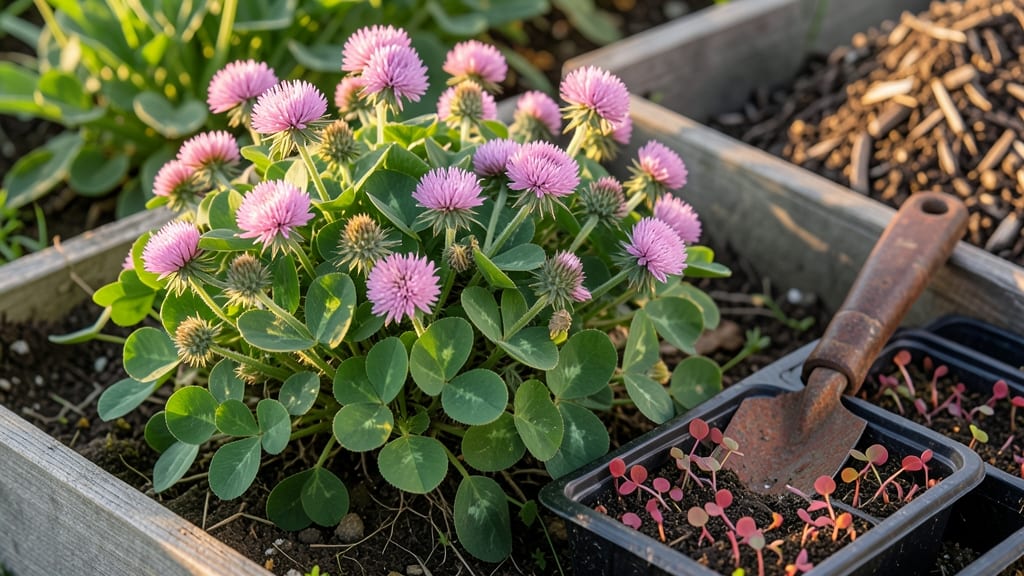
Planting clover at the wrong time in Illinois can leave you with patchy, slow-growing ground cover—or worse, a total flop. The key to a lush, nitrogen-rich lawn starts with timing, and late March to early April is your sweet spot for fast germination and establishment.
Why does this window work so well? Illinois’ USDA Zones 5-6 mean frost lingers until around April 15, but once those last cold snaps pass and soil warms to 50°F, clover seeds spring to life.
Whether you’re planting white Dutch clover for a velvety lawn or red clover for pollinators, getting it right means fewer weeds and more resilience.
But here’s the catch: Fall planting in September-October also works, giving clover roots time to anchor before winter. I’ll walk you through both strategies—plus how to prep your soil, avoid common mistakes, and keep your clover thriving all season long.
Ready to transform your yard into a low-maintenance, eco-friendly space? Let’s dive into the exact steps to plant clover like a pro in Illinois.
Best planting months for clover in Illinois: late March to early April explained
Timing your clover planting in Illinois can make the difference between a thin, patchy lawn and a lush, nitrogen-rich ground cover. The ideal window is late March to early April, when soil temperatures consistently reach 50°F or higher.
This timing aligns with USDA zones 5-6, ensuring seeds germinate before summer heat arrives.
Northern Illinois gardeners should aim for late March, while southern regions can start as early as mid-March. The key is planting after the last frost date—typically around April 15—to avoid frost damage to young seedlings. Check local frost forecasts to refine your schedule.
For those considering fall planting, early September to October works well. This allows clover to establish roots before winter dormancy. However, spring planting yields faster results for ground cover and nitrogen enrichment.
Clover thrives in full sun to partial shade, but soil temperature is the critical factor. Use a soil thermometer to confirm 50°F+ before sowing. Cooler soils delay germination, leading to uneven growth.
Here’s why late March to early April is optimal for Illinois:
| Factor | Northern Illinois | Southern Illinois |
|---|---|---|
| Soil Temperature | 50°F+ by late March | 50°F+ by mid-March |
| Last Frost Date | April 15 | April 1 |
| Best Planting Window | Late March–Early April | Mid-March–Late April |
| Fall Alternative | Early September–October | Early September–October |
Regional variations matter! Northern Illinois experiences cooler springs, so delay planting until soil warms. Southern Illinois can start earlier due to warmer microclimates. Always test your soil’s pH (6.0–7.0) before planting—clover struggles in acidic or alkaline soils.
Pro tip: Mix clover seeds with ryegrass for faster establishment. The ryegrass provides temporary cover while clover roots spread. This combo is especially useful in high-traffic areas where clover alone might struggle.
If you miss the spring window, don’t panic! Early fall planting (September) still yields strong results. Just ensure seeds germinate before first frost (October 15). Avoid planting in summer heat—seeds dry out quickly in 90°F+ temperatures.
For white Dutch clover (fastest-growing variety), aim for late March to see blooms by June. Red clover takes longer but fixes more nitrogen—plant it in early April for best results. Always water lightly after sowing to keep seeds moist until germination.
Remember: Clover’s nitrogen-fixing roots improve soil over time, reducing the need for synthetic fertilizers. Plant at the right time, and you’ll enjoy a self-sustaining lawn with minimal effort! 🌱
Best planting months for clover in Illinois: late March to early April explained
Timing your clover planting in Illinois is crucial for establishing a lush, nitrogen-rich lawn. The ideal window spans from late March to early April, aligning with the last frost date of April 15 in most regions.
This ensures warm soil temperatures—at least 50°F—which clover seeds need to germinate successfully. Northern Illinois may need to wait until mid-April due to colder microclimates.
Clover thrives in USDA Zones 5-6, common across Illinois, making it a hardy choice for local gardeners. The 165 frost-free days between the last and first frost create a perfect growing season. Planting too early risks frost damage, while late planting may delay establishment before summer heat sets in.
For those considering fall planting, early September to October offers a second chance. This allows clover roots to establish before winter dormancy, resulting in faster spring growth. However, avoid planting after October 15 to prevent weak seedlings before the first frost.
| Season | Best Planting Window | Soil Temp Requirement | Key Consideration |
|---|---|---|---|
| Spring | Late March–Early April | ≥50°F | Avoid frost risk; warm soil speeds germination |
| Fall | Early September–October | ≥55°F | Establish roots before winter dormancy |
| Northern IL | Mid-April | ≥50°F | Later frost dates delay planting |
Regional variations matter in Illinois. Southern areas like St. Louis can plant clover as early as late February if soil warms quickly, while Northern Illinois (e.g., Chicago) should wait until mid-April.
Always check local frost dates to adjust your schedule. For example, white Dutch clover germinates faster than red clover, so plan accordingly.
After planting, maintain consistent moisture for the first 4 weeks to encourage root growth. Mulch lightly with straw to retain soil warmth and suppress weeds. Avoid heavy foot traffic until clover reaches 3 inches tall, typically within 6-8 weeks of planting. This protects delicate seedlings from damage.
For best results, combine clover with ryegrass for a fast-acting ground cover that stabilizes soil and reduces erosion. This mix is especially useful in sandy soils, common in Illinois, where clover alone may struggle to establish. Test your soil’s pH before planting—aim for 6.0-7.0 for optimal clover performance.
Remember, clover’s nitrogen-fixing abilities improve soil health over time, but proper timing ensures you reap these benefits sooner. Start your clover lawn this season with confidence by planting at the right moment—your yard will thank you! 🌿