
Plants
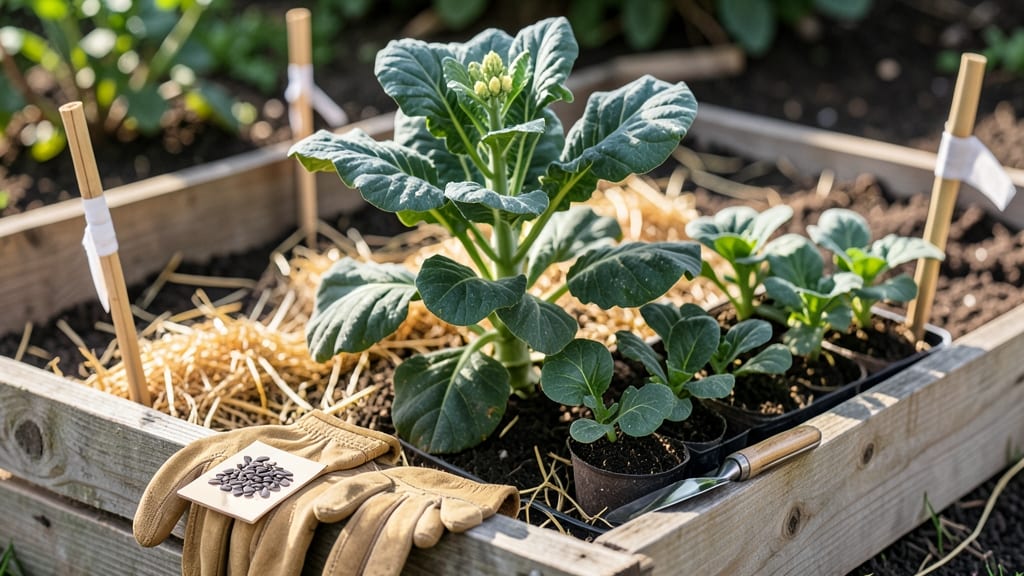
Timing your collard seeds wrong in North Carolina’s 6b-8a climate can mean the difference between a thriving harvest and sad, wilted seedlings—so let’s get this right from the start. 🥬
If you’ve ever planted collards only to watch them bolt in summer heat or struggle through frost, you know how critical the right window is. The secret isn’t just about dates—it’s about understanding how NC’s humid summers and cool winters play into your collard’s growth cycle.
In this guide, I’ll break down exactly when to plant for maximum success—whether you’re aiming for a fall harvest or a spring bounty. You’ll learn how to beat the heat, protect seedlings, and even extend your growing season with simple tricks that work in Zone 7B-8A.
Ready to grow collards that taste sweet and stay productive? Let’s dive into the best planting windows and care tips tailored just for NC gardeners.
Best planting windows for collard seeds in NC’s heat zones 7B-8A
North Carolina’s Zone 7B-8A climate gives collard greens two prime planting windows—fall and early spring—but timing is critical to avoid heat stress or frost damage. The ideal soil temperature for germination is 50-85°F, so planting too early or late can stunt your crop before it even starts.
For most of NC, the best time to plant collard seeds is between mid-August and early September for a fall harvest, or late February to early March for spring. These windows align with cool-season growth while avoiding summer’s 90°F+ heat that triggers bolting (premature flowering).
In Zone 7B (western NC), you can push planting slightly later—up to mid-September—thanks to cooler nights. Meanwhile, Zone 8A (eastern NC) gardeners should start by late July to beat the humidity and heat.
Here’s the golden rule: Plant collard seeds 6-8 weeks before your first frost date (typically November 1 in NC). This ensures mature plants can withstand light frosts, which actually sweeten the leaves!
If you’re eager for an early harvest, start seeds indoors 4-6 weeks before transplanting outdoors. Use biodegradable pots to avoid root disturbance when moving seedlings to the garden.
🌱 NC Collard Planting Timeline
| Season | Planting Window | Soil Temp | Key Notes |
|---|---|---|---|
| Fall | Mid-August – Early Sept | 50–75°F | Primary harvest window; avoid late Sept plantings in Zone 8A |
| Late Fall | Late Sept – Oct 15 | 50–65°F | Risk of frost; use row covers for protection |
| Spring | Late Feb – Early March | 55–70°F | Secondary harvest; watch for aphids |
| Early Summer | April (Zone 7B only) | 60–75°F | High bolting risk; use shade cloth |
Pro tip: Use a soil thermometer to confirm temperatures before planting. Collard seeds won’t germinate well below 50°F, and soil in NC can stay cool well into spring—especially in shady or high-elevation areas.
For extended harvests, try a succession planting strategy: Sow seeds every 2-3 weeks from August through October. This ensures a steady supply of tender leaves rather than one big harvest followed by bolting.
Remember, collards thrive in cool weather but can handle light frosts down to 20°F. The key is to time your planting so plants mature before summer’s peak heat or winter’s hard frosts arrive.
If you’re in Zone 7B, aim for a September 1 planting to harvest before frost. In Zone 8A, push to August 15 to avoid heat stress. Mark your calendar and happy planting! 🥬
Heat tolerance tricks: how to extend collard seedling survival in NC summers
North Carolina’s Zone 7B-8A summers can push soil temperatures past 85°F, which is the critical heat threshold for collard seedlings. Without protection, your tender young plants will bolt or wilt before establishing roots. The key is creating a microclimate that mimics cooler fall conditions while they grow.
Start by planting seeds only after June 15 when daytime highs drop below 90°F. This gives seedlings a 3-week head start before peak summer heat arrives. Use shade cloth rated 30-50% to filter sunlight while allowing airflow—critical for preventing fungal diseases like downy mildew.
For transplanted seedlings, bury them deeper than their original soil line—this exposes more stem surface to cooler underground temps. Pair this with mulch 2-3 inches thick (straw or shredded leaves) to insulate roots. Water deeply every morning to encourage deep root growth, which makes plants more drought-resistant.
If you must plant in late summer, choose heat-tolerant varieties like ‘Georgia Southern’ or ‘Vates’. These handle 90°F days better than standard types. Always test soil moisture by squeezing a handful—if it doesn’t crumble easily, water immediately.
Monitor seedlings daily for wilting between 10 AM-2 PM, the hottest window. Provide afternoon shade using a lightweight tarp or living mulch like clover. Remove shade by 4 PM to allow photosynthesis recovery.
With these tricks, you can push your collard planting window into early September—giving you a 2-month head start on fall harvests. The secret? Cool roots + filtered sunlight = happy seedlings even in NC’s brutal summers.