
Plants
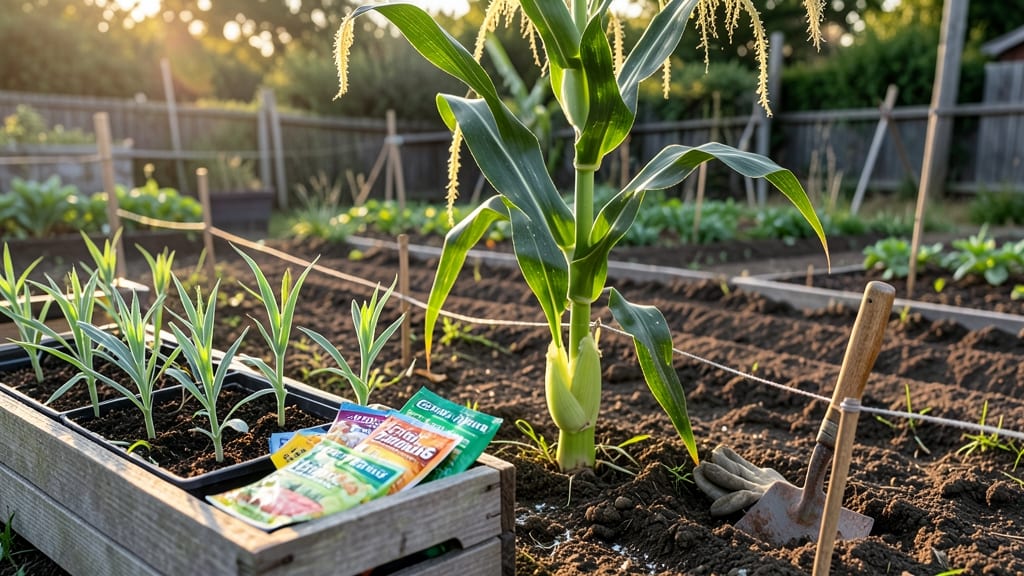
Planting corn at the wrong time in North Alabama can mean the difference between a bountiful harvest and wasted seeds—especially when unpredictable spring weather throws off your timing.
The ideal window for planting 🌽 is mid-April to early May, right after the last frost, but getting it just right requires knowing your local microclimate and corn variety.
If you've ever watched your corn plants wilt after a late frost or struggle to mature before summer heat sets in, you're not alone. North Alabama's USDA Zone 7a-7b climate means timing is everything, and small adjustments can make a big difference in how well your corn grows.
In this guide, I'll break down the exact frost-free dates for sweet corn, field corn, and popcorn varieties, plus how to adjust for cooler mountain areas versus warmer valleys. You'll also discover proven tips for preparing your soil and selecting the best varieties for your garden.
Whether you're a beginner or a seasoned gardener, mastering the right planting time ensures your corn reaches its full potential—tall, strong, and ready for harvest from late July to early October.
North Alabama frost-free dates for corn planting by month (2024 guide)
North Alabama's USDA Zones 7a-7b offer a 180-day frost-free growing season, but corn needs precise timing to thrive. The average last frost date falls between April 15-25, while the first frost typically arrives in mid-October.
Planting too early risks frost damage, while waiting too long shortens your harvest window.
Sweet corn, field corn, and popcorn all have slightly different optimal planting windows. For sweet corn, the best time is mid-April to early May after soil temperatures reach 60°F.
Field corn and popcorn tolerate slightly cooler soils, so they can go in 2-3 weeks earlier if your area warms faster.
Here’s how to align your planting with North Alabama’s regional frost patterns for Huntsville, Birmingham, and Decatur:
| Variety Type | Ideal Planting Window | Soil Temp Requirement | Days to Maturity | Harvest Window |
|---|---|---|---|---|
| Sweet Corn (e.g., Silver Queen, Peaches & Cream) | Mid-April to early May | 60°F+ | 60-90 days | Late July to early October |
| Field Corn (e.g., Pioneer Brand 33B38) | Late March to mid-April | 55°F+ | 90-120 days | Mid-August to October |
| Popcorn (e.g., Golden Bantam, Tom Thumb) | Early April to late April | 58°F+ | 70-100 days | Late August to September |
*Adjust dates 1-2 weeks earlier for warmer valleys (e.g., Tuscaloosa) or later for cooler mountains (e.g., Cullman).
For sweet corn, aim for a 75-day variety like 'Peaches & Cream' to align with North Alabama’s late July harvest window. If you’re growing field corn for livestock feed, plant Pioneer Brand 33B38 in late March for a mid-August harvest.
Popcorn lovers should choose Golden Bantam and plant by late April for a late August harvest.
Use a soil thermometer to confirm temperatures before planting—corn won’t germinate well below 55°F. If your soil is still cold, cover it with black plastic mulch for 1-2 weeks to warm it faster. This trick is especially useful in cooler mountain regions like Cullman or Scottsboro.
For gardeners in warmer valleys (e.g., Tuscaloosa or Anniston), you can push planting to early April and still avoid frost. However, be cautious—late spring frosts can still occur in early May, so have row covers ready to protect young plants.
Pro tip: Plant successive crops every 2 weeks from April to early June to stretch your harvest. This ensures you’re always enjoying fresh corn while avoiding a glut of ears all at once.
If you miss the primary planting window, consider late-season varieties like 'Ambrosia' (100-day maturity) and plant in early June. These may not produce as many ears, but they’ll still yield sweet, tender corn before the first frost.
Always check your local Alabama Cooperative Extension System for updates on frost dates—unpredictable weather can shift windows by 1-2 weeks. With the right timing, you’ll enjoy homegrown corn from late July through October!
How to adjust corn planting time for North Alabama’s microclimates
North Alabama’s diverse geography—from the cooler Appalachian foothills to the warmer valleys—means frost-free dates can vary by up to 2 weeks between regions. For example, gardeners in Cullman or Scottsboro (USDA Zone 7a) often face later last frosts than those in Tuscaloosa or Anniston (Zone 7b).
This variation forces you to adjust planting times, soil prep, and even seed choices to avoid frost damage or stunted growth.
If you live in mountainous areas, aim to plant 2 weeks later than the average North Alabama timeline. In valleys or lower elevations, you might safely plant 1 week earlier—but always confirm soil temperatures.
Corn seeds need soil at least 60°F to germinate, and cooler mountain soils can delay sprouting by 10+ days if planted too soon.
🌱
| Region | Average Last Frost | Ideal Planting Window | Soil Prep Tip |
|---|---|---|---|
| Mountainous (Cullman, Scottsboro) | Mid-to-late April | Late April to early May | Use black plastic mulch to warm soil faster. |
| Valleys (Tuscaloosa, Anniston) | Early April | Mid-April to late April | Plant early-maturing varieties (e.g., 'Silver Queen'). |
| Transition Zones (Huntsville, Decatur) | Early-to-mid April | Late April | Test soil temp with a soil thermometer before planting. |
For gardeners in transition zones like Huntsville or Decatur, flexibility is key. Use a soil thermometer to confirm readiness—corn seeds planted in 50°F soil may rot before sprouting. If your soil is still chilly, opt for row covers or wait until late April.
These covers can raise soil temps by 5-10°F and protect seedlings from late frosts.
Another trick for cooler areas? Plant popcorn varieties like 'Country Gentleman'—they mature faster (in 75-80 days) and tolerate shorter seasons better than sweet corn. If you’re in a warmer valley, consider a second planting in early June for a fall harvest.
Just ensure you have 120+ frost-free days remaining to avoid immature ears.
Finally, watch for microclimate pockets in your yard. Low spots or shaded areas may frost later than sunny slopes. Plant your earliest seeds in the warmest, sunniest spot first, then expand outward as conditions improve. This staggered approach minimizes risk and maximizes your chances of a successful harvest.
☀️