
Plants
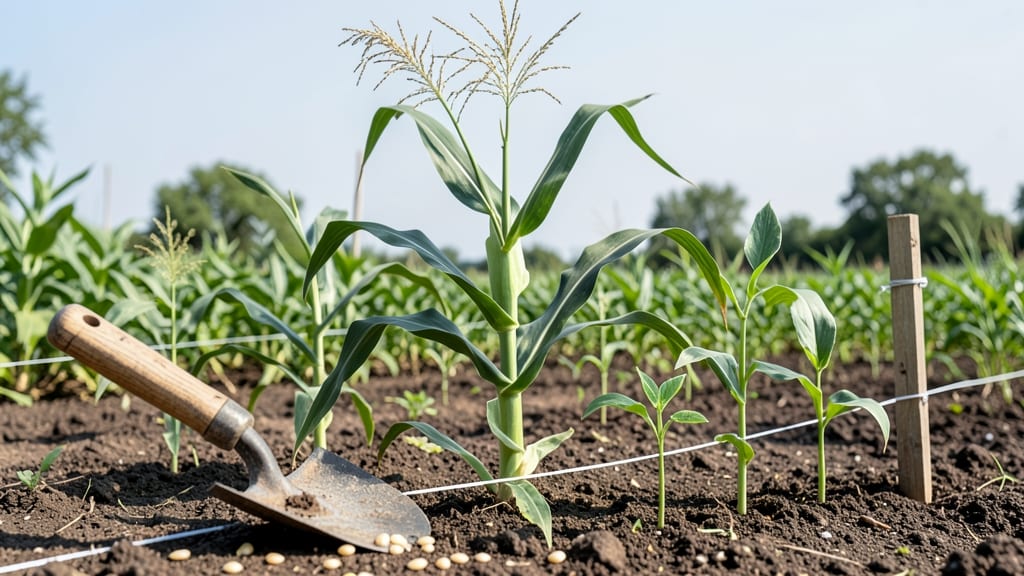
Timing your 🌽 corn planting in Virginia can make or break your harvest—get it wrong, and frost or heat stress could turn your hard work into disappointment. With Virginia’s diverse climate zones, knowing the exact frost-free window for your area is the key to success.
Whether you're in the mountains or coastal Tidewater, planting too early risks frost damage, while waiting too long cuts your harvest short.
Most Virginia gardeners should aim for mid-April to mid-May, once soil temperatures hit 60°F and the last frost has passed. But don’t guess—check your USDA zone (6a-8a) for precise local timing.
Coastal areas like Norfolk can start as early as late March, while mountain regions near Roanoke may need to wait until early May.
Choosing the right variety also matters—some heat-tolerant hybrids like ‘Silver Queen’ thrive in Virginia’s summer heat, while others need cooler conditions. Direct sowing is best, but if you’re transplanting, do it quickly to avoid shock. Let me show you how to nail your planting window for a bountiful harvest.
Ready to grow corn that’s tall, sweet, and ready by late summer? I’ll walk you through the best planting dates, soil prep, and variety picks so you can avoid common mistakes. Let’s get those kernels popping!
Virginia’s frost-free dates by USDA plant hardiness zone (2024 guide)
Virginia’s diverse climate zones mean your corn planting window can vary by over 6 weeks depending on where you live. From the coastal Tidewater to the mountainous west, each zone has its own last frost date and heat tolerance thresholds.
Let’s break down the exact planting windows for Virginia’s 7 USDA zones (3a-8a) to ensure your corn gets a strong start.
Corn thrives when soil temperatures reach 60°F or higher. In Virginia, this typically happens 2-4 weeks after the average last frost date.
For example, in zone 7b (central Virginia), where most home gardeners live, soil warms up by mid-April, while in zone 6a (mountains), you may need to wait until early May. Understanding these microclimates helps you avoid frost damage or heat stress during critical growth stages.
Here’s a zone-by-zone breakdown of when to plant corn in Virginia, including last frost dates, ideal planting windows, and harvest timelines for popular varieties like ‘Silver Queen’ and ‘Peaches and Cream’. Use this as your planting calendar to maximize your yield.
🌽 Virginia Corn Planting Guide by USDA Zone
| USDA Zone | Last Frost Date | Ideal Planting Window | Soil Temp Threshold | Harvest Window | Best Varieties |
|---|---|---|---|---|---|
| 6a (Mountains) | Early May | Late May - Early June | 60°F+ (late May) | Late August - Early October | Early-maturing: 'Ambrosia', 'Golden Bantam' |
| 7a (Piedmont) | Mid-April | Late April - Early May | 60°F+ (early April) | Late July - Mid-September | Mid-season: 'Silver Queen', 'Peaches and Cream' |
| 7b (Central VA) | Mid-April | Late April - Early May | 60°F+ (mid-April) | Late July - Early October | Mid-late: 'Ambrosia', 'Country Gentleman' |
| 8a (Coastal/Tidewater) | Late March | Early April - Mid-April | 60°F+ (early April) | Mid-July - Late September | Early-mid: 'Peaches and Cream', 'Sweet Suzy' |
If you’re in zone 6a (mountains), aim to plant by early June to avoid early fall frosts, which can damage tender corn plants.
Meanwhile, gardeners in zone 8a (coastal) can start as early as late March, giving them a longer growing season for late-season varieties like ‘Country Gentleman’. Always check your local Virginia Cooperative Extension for microclimate adjustments, especially in urban areas where heat islands can delay frost.
For gardeners in transition zones (e.g., zone 7a/7b), consider staggered planting every 2 weeks to extend your harvest window. This strategy ensures you’ll have fresh corn from late July through September, even if your first planting faces unpredictable spring weather.
For example, planting half your seeds in late April and the other half in early May can help you avoid silking failure caused by cool nights.
One critical mistake many Virginia gardeners make is planting corn too early in hopes of a longer harvest. Corn seeds won’t germinate below 50°F, and seedlings are extremely frost-sensitive. If you plant in
Best corn varieties for Virginia’s short vs. long growing seasons
Virginia’s diverse climate means some gardeners enjoy longer growing seasons in coastal areas, while others in the mountains face shorter windows. Choosing the right corn variety ensures you harvest sweet, tender ears before fall frost arrives.
For short-season zones (6a-7a), prioritize early-maturing hybrids (70-85 days), while longer seasons (7b-8a) can handle mid-to-late varieties (90-110 days) with ease.
My top recommendation for Virginia’s humid climate is ‘Silver Queen’, a classic sweet corn variety that matures in 85-90 days and thrives in heat and humidity. It’s also disease-resistant, which is crucial in Virginia’s moist summers.
For shorter seasons, try ‘Peaches and Cream’ (75-80 days), a bicolor sweet corn that’s early-maturing and flavorful.
If you’re growing corn for storage or animal feed, consider field corn varieties like ‘Pioneer 39T03’, which matures in 100-110 days and handles Virginia’s variable weather well. For popcorn lovers, ‘Ambrosia’ (100-110 days) is a reliable choice that pops well and adapts to Virginia’s heat.
Early-Maturing (70-85 Days)
- ✅ Best for short seasons (zones 6a-7a)
- ✅ Harvest before frost in late summer
- ✅ ‘Peaches and Cream’ (sweet, bicolor)
- ✅ ‘Little and Lovely’ (dwarf, 3-5 ft)
Mid-Season (90-105 Days)
- ✅ Ideal for zones 7b-8a
- ✅ Balanced maturity for extended harvests
- ✅ ‘Silver Queen’ (classic sweet corn)
- ✅ ‘Golden Bantam’ (heirloom, 6-8 ft)
Late-Season (110+ Days)
- ✅ For long, hot summers (zones 7b-8a)
- ✅ Riskier in shorter seasons
- ✅ ‘Ambrosia’ (popcorn)
- ✅ ‘Pioneer 39T03’ (field corn)
For disease resistance, look for varieties labeled “resistant to corn earworm” or “tolerant to southern corn rust”, common issues in Virginia. ‘Ambrosia’ and ‘Silver Queen’ are both disease-hardy and heat-tolerant, making them top picks for most Virginia gardeners.
If you’re in a humid coastal area, avoid late-maturing varieties—they may struggle with fungal diseases before harvest.
Another key factor is plant height. In small gardens or urban spaces, dwarf varieties like ‘Little and Lovely’ (3-5 ft) save space without sacrificing sweetness or yield. For traditional gardens, ‘Peaches and Cream’ (6-8 ft) offers a great balance of size and productivity.
Finally, consider staggered planting if you want continuous harvests. Plant early-maturing varieties first (late April), followed by mid-season types (mid-May), and finish with late varieties (early June) if your season is long enough. This extends your harvest window from July through October.