
Plants
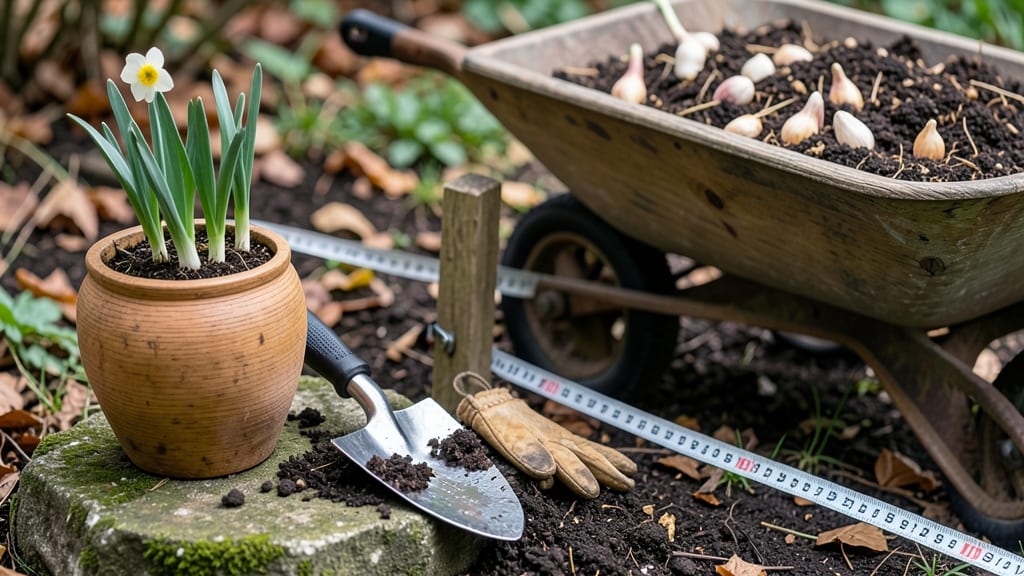
Planting daffodil bulbs at the wrong time in Indiana can mean frost-killed blooms before they even peek through the soil. The secret to vibrant spring displays lies in understanding your USDA Zone 6a climate—and the ideal window is shorter than you think.
Most Indiana gardeners get it right by planting in October or November, but timing matters more than you’d expect. Bulbs need 4-6 weeks to establish roots before the ground freezes, which means late November plantings might not survive our harsh winters.
Let’s break down the exact dates and soil conditions that guarantee success.
You’ll learn how to read your soil’s readiness, adjust for early frosts, and even extend your daffodils’ blooming season with smart planting strategies. Whether you’re a first-time gardener or a seasoned pro, these zone-specific tips will help your 🌼 thrive year after year.
Skip the guesswork and plant with confidence—because the best time to plant daffodils in Indiana isn’t just about the calendar. It’s about giving your bulbs the perfect head start before winter sets in.
Indiana’s best planting months for daffodil bulbs by hardiness zone
Indiana’s USDA Zones 5b and 6a create a unique challenge for daffodil planting—get it wrong, and your bulbs may rot in soggy soil or freeze before roots establish. The key? Planting 4-6 weeks before the first hard frost, typically between mid-October and early November for most of the state.
This timing lets bulbs develop roots before winter dormancy sets in.
Northern Indiana (Zone 5b) has a shorter window—aim for late September to mid-October—while southern Indiana (Zone 6a) can extend planting until early November. The goal is to plant when soil temperatures drop to 50-60°F but before the ground freezes solid.
Check your local Indiana State Climate Office for frost dates if you’re unsure.
Here’s the golden rule: Never plant daffodils in spring—they’ll bloom poorly or not at all. Bulbs need cold stratification to trigger spring flowering, and Indiana’s winters provide the perfect conditions when planted at the right time.
Even if you miss the ideal window, you can still plant in early December, but success rates drop significantly.
For gardeners in urban areas like Indianapolis or rural zones near the Ohio border, microclimates can shift planting dates by 1-2 weeks. If your yard stays warmer (like near a south-facing wall), plant slightly later. Conversely, colder pockets (like northern Lake County) may need earlier planting.
| Zone | Ideal Planting Window | Soil Temp Threshold | Key Action |
|---|---|---|---|
| Zone 5b (Northern IN) | Late September - Mid-October | 50-60°F | Plant before ground freezes |
| Zone 6a (Southern IN) | Mid-October - Early November | 50-60°F | Extend to early November |
| Urban Microclimates | Adjust ±1-2 weeks | Monitor soil temps | Use frost-free dates |
🌱 Pro Tip: Use a soil thermometer to confirm temps before planting.
If you’re planting in containers or raised beds, the timing shifts slightly—these warm up faster in spring. Aim to plant 2-3 weeks earlier than in-ground bulbs to account for the faster soil warming. Containers also dry out quicker, so ensure they have drainage holes to prevent bulb rot.
One common mistake? Planting daffodils too shallow. In Indiana’s clay-heavy soils, bulbs need 6-8 inches of depth to insulate roots from freeze-thaw cycles. Use a trowel to dig holes, place bulbs pointy end up, and cover with soil mixed with compost or sand for better drainage.
After planting, water deeply to settle the soil and encourage root growth. Mulch with 2-3 inches of straw or shredded leaves to insulate bulbs through winter. This extra layer is critical in Indiana’s variable winters, where temperatures can swing from 30°F to 60°F in a single week.
For late bloomers, consider a second planting in early December—just be prepared for smaller flowers. The trade-off? You’ll have blooms when early-planted daffodils may have already faded. This technique works best with dwarf varieties like 'Tête-à-Tête', which thrive even with shorter root development.
Remember: Daffodils planted in fall = reliable spring blooms. Spring-planted bulbs may sprout, but they’ll lack the energy to produce vibrant flowers. By following Indiana’s zone-specific timeline, you’ll enjoy bold, early spring color that brightens gardens before tulips even think about blooming.
Indiana’s best planting months for daffodil bulbs by hardiness zone
Indiana’s USDA Zones 5b and 6a create a unique challenge for daffodil lovers—cool fall nights and unpredictable frosts mean timing is critical. Plant too early, and bulbs may sprout before winter sets in; too late, and they won’t establish roots before the ground freezes.
The sweet spot? 4-6 weeks before your first frost date, typically mid-October to early November for most of the state.
For northern Indiana (Zone 5b), aim for October 1st–15th when soil temperatures dip to 50–60°F. Southern Indiana (Zone 6a) gardeners have until November 1st, but don’t delay—bulbs need 6–8 weeks to root before winter dormancy. Use your last frost date (around October 15th) as your deadline.
🌼 Indiana Daffodil Planting Timeline by Zone
| Zone | Ideal Planting Window | Soil Temp Threshold | Key Action |
|---|---|---|---|
| Zone 5b (Northern IN) | October 1–15 | 50–60°F | Plant before first frost (Oct 15) |
| Zone 6a (Southern IN) | October 15–November 1 | 50–60°F | Extend to early Nov if soil stays workable |
| ⚠️ Pro Tip: Use a soil thermometer—plant only when temps consistently stay below 60°F at night. | |||
Adjust for early frosts by planting 2–3 weeks earlier if your area tends toward cold snaps. Conversely, if your fall stays unusually warm, hold off until mid-November—bulbs planted in warmer soil may sprout prematurely and get frost damage.
For container gardeners, use black plastic pots to absorb heat and delay planting until November if needed.
Indiana’s clay-heavy soils can delay planting if they stay soggy. Wait until the ground is crumbly and dry enough to dig—this usually aligns with leaf drop from trees, a natural indicator. Amend with compost or sand to improve drainage if your soil feels compacted.
Once planted, mulch with 2–3 inches of straw to insulate bulbs from temperature swings. This extra layer helps prevent frost heave and keeps roots consistently cool through winter. Remove mulch in early spring (March) to allow soil to warm and encourage sprouting.
Remember: Daffodil bulbs store energy underground during fall planting. The goal is root establishment before dormancy, not immediate growth. With the right timing, you’ll see vibrant blooms by April, proving that patience in fall pays off in spring. 🌼