
Plants
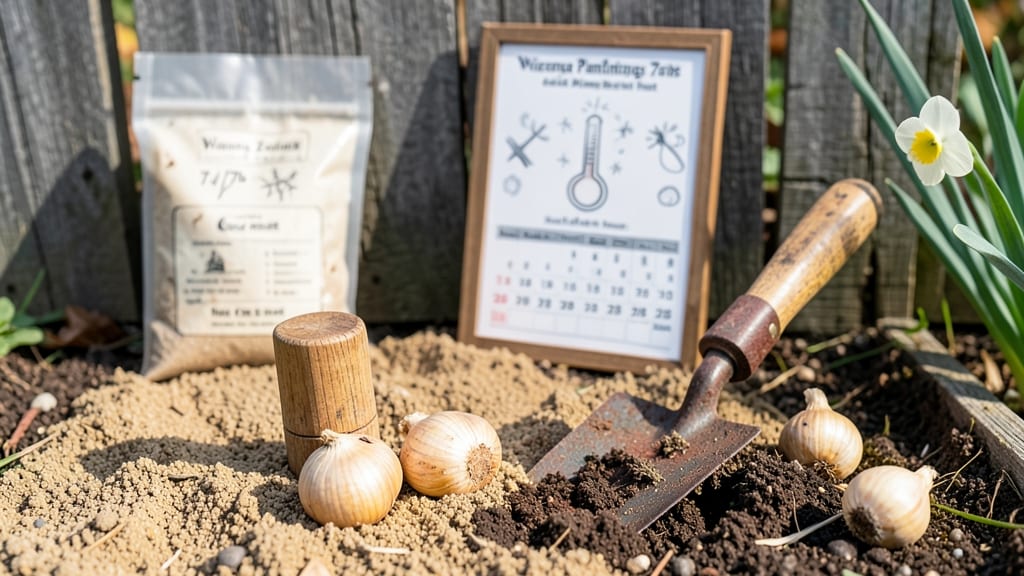
Virginia daffodil planting calendar by USDA hardiness zones (6a-8a)
Virginia spans USDA Zones 6a through 8a, meaning daffodil planting dates shift dramatically from the coastal plains to the mountains. The golden rule? Plant 6-8 weeks before your first frost—but Virginia’s first frost dates can vary by 3+ weeks between regions.
For example, Norfolk’s Zone 8a might see frost in early November, while Blacksburg’s Zone 6b could freeze by late October.
To simplify, I’ve broken down the ideal planting window by zone, including soil temperature targets and frost-free timing. Soil should be 50-60°F (10-15°C) at planting depth—this ensures roots establish before winter sets in.
Use a soil thermometer if unsure; Virginia’s clay-heavy soils can stay too warm too long, tricking bulbs into early growth.
Here’s your zone-specific daffodil planting calendar, tailored to Virginia’s most common regions:
| USDA Zone | Region Examples | Ideal Planting Window | Soil Temp Target | First Frost Date |
|---|---|---|---|---|
| 6a (e.g., Roanoke, Blacksburg) | Shenandoah Valley, Southwest VA | Late September – Early October | 50–55°F (10–13°C) | October 20–November 5 |
| 6b (e.g., Charlottesville, Staunton) | Piedmont, Central VA | Mid-September – Late October | 50–58°F (10–14°C) | November 1–15 |
| 7a (e.g., Richmond, Fredericksburg) | Northern Piedmont, Tidewater | Late September – Mid-November | 55–60°F (13–15°C) | November 10–25 |
| 7b (e.g., Norfolk, Virginia Beach) | Coastal VA, Eastern Shore | October – December 1 (early) | 58–62°F (14–17°C) | December 1–15 (mild winters) |
| Pro Tip: For Zone 7b+, you can plant as late as December 1 if soil temps stay above 55°F (13°C). Use a mulch blanket to insulate bulbs if early frosts threaten. | ||||
If you’re in Zone 6a (like Roanoke), aim for late September—this gives bulbs 8 weeks to root before frost. In Zone 7b (e.g., Norfolk), you’ve got flexibility until mid-November, but don’t wait too long; bulbs need 6–8 weeks to establish roots before winter dormancy.
For Northern Virginia (e.g., Arlington, Alexandria), USDA Zone 7a, the sweet spot is mid-October. Check your local Almanac frost dates—the Old Farmer’s Almanac has Virginia-specific forecasts. Pro move: Plant test bulbs 2 weeks early to gauge soil readiness.
One critical mistake Virginia gardeners make? Planting too shallow in warm zones. In Zone 7b+, daffodils need 6–8 inches deep to prevent frost heave. Use a trowel to dig holes 3x the bulb’s height—this protects roots from freeze-thaw cycles common in Virginia’s unpredictable winters.
Finally, mulch matters. After planting, top soil with 3–4 inches of straw or shredded leaves. This insulates bulbs in colder zones (6a) and prevents moisture loss in warmer zones (7b+). In coastal Virginia, mulch also blocks wind, which can dry out bulbs prematurely.
For zero-frost blooms, time planting so bulbs root but don’t sprout before winter. In Zone 6a, this means stop planting by October 15; in Zone 7b, you can push it to November 15.
Use a moisture meter to check soil—dry soil = delayed blooms.
🌼
How to adjust planting dates for Virginia’s microclimates (mountains vs. Tidewater)
Virginia’s diverse geography means a Shenandoah Valley garden has completely different frost patterns than a Norfolk coastal garden. Elevation changes of just 1,000 feet can shift your planting window by 3-4 weeks. Understanding these microclimates is key to avoiding frost-damaged bulbs or missed bloom seasons.
In the mountainous regions (like Roanoke or Blacksburg), colder air settles faster, often bringing earlier frosts—sometimes as early as October 15. Here, I plant daffodils between mid-September and early October to ensure bulbs establish roots before the ground freezes.
The higher elevation also means shorter growing seasons, so I choose earlier-blooming varieties like 'Ice Follies' or 'Tête-à-Tête'.
Conversely, the Tidewater region (including Virginia Beach and Hampton Roads) enjoys milder winters. Gardeners here can plant daffodils as late as mid-November—sometimes even early December—thanks to delayed frost dates.
The coastal breeze also moderates soil temperatures, making it safer to plant larger bulbs that need more time to root.
🌼Key Adjustment Rule: Add 1 week of planting time for every 500 feet of elevation gain. For example, if you’re at 2,000 feet in the Blue Ridge Mountains, aim to plant by September 15 instead of October 1.
| Region | USDA Zone | Ideal Planting Window | Soil Prep Tip | Mulching Strategy |
|---|---|---|---|---|
| Mountains (e.g., Roanoke, Blacksburg) | 6a-6b | Mid-September to early October | Amend clay soil with compost | 3-4 inches of straw mulch after planting |
| Piedmont (e.g., Charlottesville, Lynchburg) | 7a-7b | Late September to mid-October | Add sand for drainage in heavy soils | 2 inches of pine straw mulch |
| Tidewater (e.g., Norfolk, Virginia Beach) | 8a | October to mid-November | Test for salt content near coast | 1-2 inches of mulch after first frost |
For transition zones (like Fredericksburg or Richmond), I recommend splitting your planting into two batches: plant half in late September and the rest in early November.
This hedges against unpredictable early frosts while still capturing late-season blooms. Always check your local Virginia Cooperative Extension frost date maps for real-time adjustments.
Another pro tip: Plant daffodils near evergreens in colder microclimates. The snow catch from pine or spruce branches provides extra insulation during winter. In my Shenandoah Valley garden, I’ve seen daffodils survive 10°F colder temperatures when planted under white pine canopies.
Just avoid dense shade—daffodils still need 6+ hours of sunlight daily.
Finally, monitor soil temperatures with a soil thermometer ($10 at garden centers). Aim to plant when soil temps hover between 45°F and 55°F—this ensures roots establish before winter dormancy.
In Zone 7b, I wait until early October to hit this sweet spot, while Zone 6a gardeners should plant by late September at the latest. 🌿