
Plants
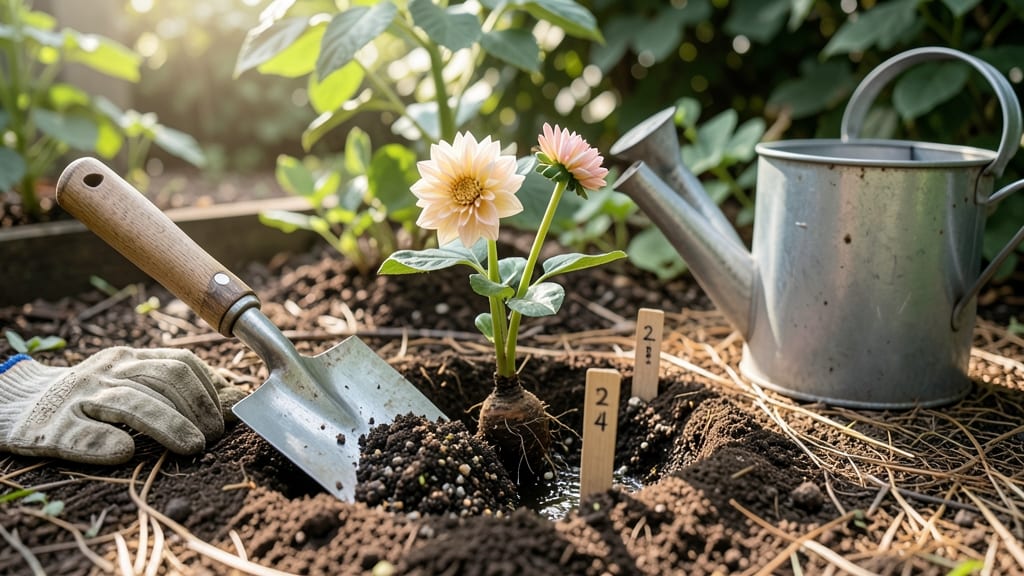
California’s dahlia planting zones: frost-free dates by region
California’s microclimates create wildly different planting windows for dahlias—Southern California gardeners can plant as early as February, while Northern California may need to wait until April. The key is understanding your USDA hardiness zone and local frost patterns, even in frost-resistant regions.
Coastal areas like San Francisco rarely see frost, while inland valleys in Zone 7 might experience light freezes in winter.
Dahlias thrive in warm soil (at least 60°F) and frost-free conditions. In most of California, this means planting after your last average frost date, but coastal gardeners can start earlier thanks to milder winters.
For example, Los Angeles (Zone 10) has a year-round growing season, while Sacramento (Zone 9) may need to wait until mid-March to avoid rare late frosts.
Here’s how to match your region’s planting window with dahlia varieties and microclimate factors like urban heat islands or coastal fog. The table below breaks down optimal planting months by zone, including adjustments for high-altitude areas (like the Sierra foothills) and desert regions (like the Coachella Valley).
🌱If you’re unsure about your last frost date, check local weather stations or use the USDA Plant Hardiness Zone Map. For example, San Diego (Zone 10) can plant in February, while Eureka (Zone 9) should wait until March due to coastal fog delays.
Inland areas like Bakersfield (Zone 9b) can plant as early as February because desert soils warm quickly.
For container gardening in California, you can plant 2–4 weeks earlier than in-ground because pots warm faster. However, ensure your containers have drainage holes and use heat-retaining fabric to protect roots in coastal breezes.
In high-altitude areas (e.g., Truckee at 6,000 ft), delay planting until May to avoid late spring frosts, which can blacken dahlia foliage.
Pro tip: Pre-sprout tubers indoors 4–6 weeks before your target planting date if you’re in a cool coastal zone. Place tubers in a tray with moist peat moss and keep them in a bright, warm spot (70°F).
Once sprouts are 2–3 inches tall, they’ll establish faster in your garden. This trick is especially useful for Northern California gardeners who want to beat the April frost risk.
Another critical factor is soil temperature. Use a soil thermometer to confirm your garden bed has reached 60°F at a depth of 4 inches. Coastal soils may take longer to warm, even in March, while inland soils can hit this threshold by February.
If your soil is still cold, mulch with black plastic or straw to absorb heat and speed up warming.
Signs your California climate is ready for dahlias (beyond dates)
California’s microclimates can make frost-free dates tricky to predict, even when you know your USDA zone. Instead of relying solely on calendars, watch for these soil warmth and weather cues to confirm your garden is ready for dahlia tubers.
Inland areas like Sacramento Valley may need 60°F soil temps by March 15, while coastal San Diego can plant as early as February 1.
First, check soil temperature with a soil thermometer—dahlias thrive when soil reaches 60°F (15°C) at 6-inch depth. If your garden sits in a valley or urban heat island, soil warms faster than nearby hillsides.
For coastal gardeners, wait until nighttime lows stay above 45°F (7°C) consistently, as cold snaps can still occur in May.
Visual cues from your garden also matter. Look for wildflowers blooming like California poppies or lupines—these signal warming soil. If your neighbor’s tomatoes are already producing fruit, your dahlias are likely safe to plant. In high-altitude areas like Lake Tahoe, wait until May 15 even if inland valleys are planting earlier.