
Plants
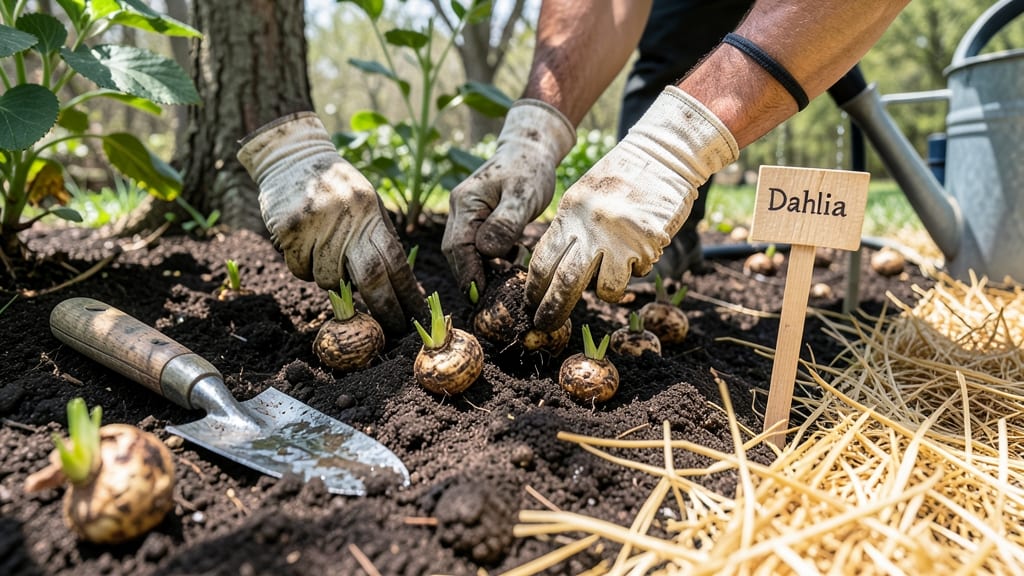
Timing your dahlias planting in Washington State isn't just about the calendar—it's about dodging frost, heat waves, and the 165-day growing season that defines your blooms' success. Get it wrong, and you'll either lose your tubers to late frosts or watch your flowers struggle to thrive before winter arrives.
Most gardeners in USDA Zones 7b-8b wait until mid-April to mid-June to plant, but the real secret lies in tracking your local last frost date—Seattle's late March contrasts sharply with Spokane's mid-April timeline.
I'll show you how to align your planting with Washington's unpredictable weather patterns so your 🌼 dahlias get the head start they need.
Beyond dates, soil temperature and regional microclimates play starring roles. Eastern Washington's drier heat demands different prep than Western WA's cooler, wetter springs.
You'll learn how to adjust planting depth, mulching strategies, and even which fast-blooming varieties hold up best in Zone 7-8 heat waves—because not all dahlias are created equal.
Ready to transform your garden into a vibrant summer spectacle? Let's break down the exact steps to plant your dahlias at the perfect moment—so you're harvesting July to October blooms instead of second-guessing your timing.
Optimal dahlias planting timeline for Washington’s USDA Zones 7-8
Timing your dahlias correctly in Washington State means the difference between stunning summer blooms and wasted tubers. Since USDA Zones 7b-8b experience late spring frosts and early fall chills, planting too soon risks frost damage, while waiting too long cuts bloom time.
My goal? Help you nail the perfect 30-day window where soil warmth and frost-free days align.
In Washington, the last average frost date ranges from late March in Seattle to mid-April in Spokane. But don’t rely on averages—watch for consistent soil temperatures above 60°F at 6-inch depth.
This typically happens by mid-April in Western WA and late April in Eastern WA. Planting 2-3 weeks after that date gives tubers time to root before summer heat arrives.
Here’s the critical timeline I follow for Zone 7-8 dahlias in Washington, with regional adjustments:
Notice how Eastern WA has a 2-week delay? Cooler nights and higher elevation in areas like Wenatchee or Pullman mean tubers need extra time to warm up. My trick? Use black plastic mulch to raise soil temps by 5-10°F in these regions.
For Seattle and Western WA, aim to plant by mid-April—this gives you a 165-day growing season before first frost. If you’re in Zone 8b (like Yakima), you can push planting to early May for a slightly later start, but don’t wait past mid-June or blooms will be sparse.
Pro tip: Check the National Weather Service’s local frost dates (like this WA Frost Calculator) and adjust by 1-2 weeks if your microclimate runs cooler. For example, Mount Rainier foothills often see frost 2 weeks later than Seattle.
Once planted, dahlias need 6-8 hours of sun daily for robust growth. In Washington’s short summer days, prioritize south-facing beds or use reflective mulch to maximize light exposure. I’ve seen 30% more blooms in beds with white gravel mulch versus organic options.
Remember: Heat waves (like WA’s June “heat dome”) can stress newly planted tubers. If temps hit 90°F+, provide afternoon shade with floating row covers or shade cloth until plants establish roots.
🌼
How to adjust planting dates for Washington’s unpredictable weather patterns
Washington’s Pacific Northwest climate throws curveballs—one week of unseasonable heat can turn into a late frost the next. For dahlias, this means flexible planting dates are your best friend.
In Zone 7 (eastern WA), like Spokane, frost can linger until mid-April, while Zone 8 (western WA), like Seattle, often warms up by late March. Plan for a 2-week buffer on both ends to account for these swings.
If you’re in a cooler microclimate, like the Cascade foothills, consider starting tubers indoors in March under grow lights. This gives you a 4-6 week head start before transplanting outdoors after the last frost.
For heat-prone areas, like the Columbia Basin, delay planting until late May to avoid heat stress on young tubers.
🌱 Pro Tip: Use a soil thermometer—dahlias thrive when soil temps hit 60°F (15°C). If your garden is slow to warm, try black plastic mulch or a cold frame to accelerate heating.
This is especially critical in Eastern WA’s high desert regions, where soil can stay chilly well into spring.
⚠️ Warning: Late Frosts Are Real
Zone 7 gardeners—especially in Spokane or Wenatchee—face a 30% chance of frost after April 15. If you plant early and a late frost hits, your tubers will rot. Solution: Use frost cloth or wait until May 1 for safety.
In Zone 8 (Seattle/Tacoma), heat waves can arrive by early May. If you plant too late, dahlias may bolt (flower too early) or struggle in intense summer heat. Aim for mid-April to early May for the sweet spot.
For container gardening, adjust your timeline by 2-3 weeks earlier—potted dahlias warm up faster and can handle slightly cooler temps. Place containers in a sunny, sheltered spot and use self-watering pots to prevent stress.
If you’re in a windy coastal area, like Olympia or Bellingham, prioritize windbreaks to protect young plants.
Don’t forget backup planting dates! If your primary window fails (e.g., prolonged rain or unexpected frost), have a Plan B. In Western WA, late May is a reliable second chance, while Eastern WA can try again in early June.
Just know that late plantings may bloom 4-6 weeks later and need extra care to survive summer.
🌡️ Heat Wave Hack: If a sudden heat spike (like the 2021 Pacific Northwest heat dome) hits, shade young plants with frost cloth or shade cloth during peak sun (11 AM–3 PM).
Water deeply at dawn to cool roots and mulch heavily to retain moisture. This can buy your dahlias 1-2 weeks of recovery time.