
Plants
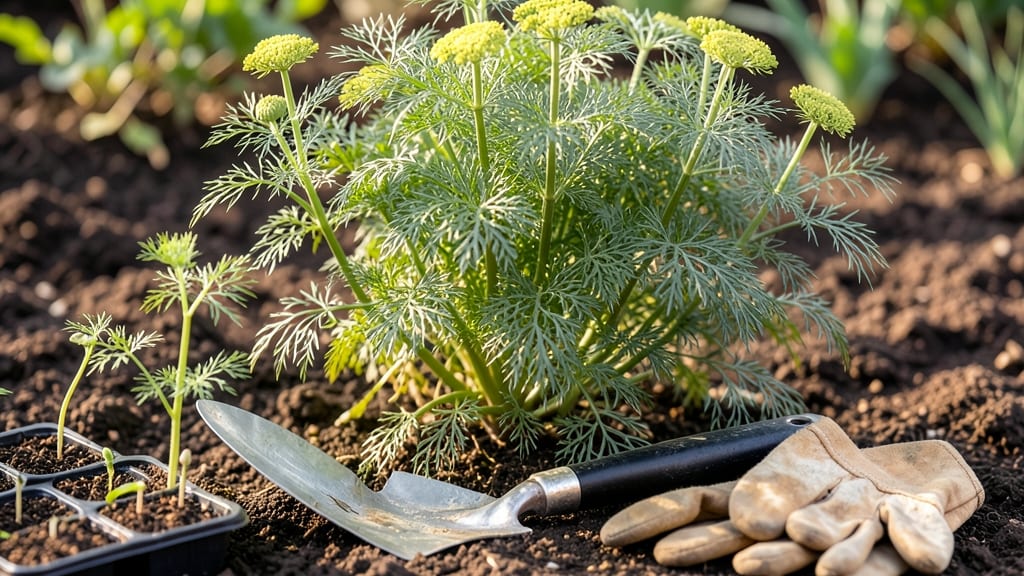
Optimal planting windows for dill in Zone 9 (fall vs spring)
In Zone 9, where winters are mild and summers scorching, timing your dill planting correctly is the secret to avoiding premature bolting.
Unlike cooler climates, Zone 9 gardeners must work with a narrow window—either late winter or early fall—to give dill the cool conditions it craves for germination and early growth.
I’ve learned the hard way that planting too early or too late leads to bitter, bolted plants that ruin pickling season.
Dill thrives when soil temperatures stay between 45°F and 75°F. In Zone 9, this means aiming for February through March for spring planting or September through October for fall. The key is avoiding the peak summer heat, which triggers bolting within weeks.
Even a few degrees above 80°F can send your dill racing toward flower production instead of leaf growth.
Here’s the golden rule: Plant dill when your local average nighttime temperature drops below 70°F. Use a soil thermometer to confirm—ideal germination temps are 60°F to 70°F. In my Zone 9b garden, this usually aligns with mid-February for spring and late September for fall.
Microclimates near coastlines may extend these windows by 2-3 weeks, while inland areas should plant even earlier.
| Planting Window | Best Months | Soil Temp | Moon Phase Tip | Harvest Window |
|---|---|---|---|---|
| Spring Planting | February-March | 60°F-70°F | Plant during waxing moon for faster growth | April-June |
| Fall Planting | September-October | 65°F-75°F | Avoid full moon—plant during waning moon | November-December (before frost) |
🌱 Zone 9-Specific Tip: Use shade cloth (30-50%) if planting in late spring to delay bolting
Moon phases matter more in Zone 9 than you’d think. I’ve noticed that planting dill during the waxing moon (when the moon is growing brighter) gives seeds a 20% faster germination rate compared to full moon plantings.
For fall crops, aim for the waning moon to encourage root development before winter slows growth. My neighbor swears by this, and her dill always outpaces mine!
Don’t overlook succession planting—this is my secret weapon for continuous harvests. In Zone 9, I make weekly sowings from February through April. Each new batch gives me fresh leaves just as the previous one starts bolting.
For example, my first planting in early February yields harvests by April, while my last planting in late March keeps producing until June. This staggered approach ensures I never run out of dill for my famous pickles or soups.
One common mistake I see is planting dill too close to summer solstice. By June, even with perfect care, dill will bolt within 3-4 weeks.
To beat this, I’ve started using black plastic mulch to warm the soil earlier in spring, allowing me to plant as early as January in sheltered microclimates. Just remove the mulch once seeds sprout to prevent overheating.
For container growers, timing shifts slightly. Potted dill can handle 5°F warmer soil temps than in-ground plants because containers cool faster. This means you can push spring plantings into early April without bolting issues.
Just ensure pots have drainage holes and use a lightweight potting mix—heavy mixes overheat roots in Zone 9’s sun.
Remember: Dill is a cool-season crop, and Zone 9’s heat is its enemy. By mastering these planting windows, you’ll enjoy flavorful leaves for months instead of bitter stems and wasted effort. My best harvests come from those February and September plantings—timing really is everything in this climate.
Optimal planting windows for dill in Zone 9 (fall vs spring)
Zone 9’s mild winters and long summers make dill a tricky herb to grow. Unlike cooler climates, planting too early or late can trigger bolting—when dill flowers prematurely and loses flavor.
The two best windows are late winter/early spring and early fall, but timing depends on your microclimate’s soil temperature and moon phases.
For spring planting, aim for February to early March when soil temps hover between 50°F–60°F. This gives seedlings time to establish before summer heat arrives.
In Zone 9b’s coastal areas, you might push planting to January, but inland regions should wait until late February to avoid heat stress.
Fall planting is riskier in Zone 9 but works if you sow late August to early September. The goal is to harvest before October’s heat waves, which can still trigger bolting. Use shade cloth if temps exceed 85°F during germination.
| Factor | Spring Planting (Feb–Mar) | Fall Planting (Aug–Sep) |
|---|---|---|
| Best Soil Temp | 50°F–60°F | 70°F–75°F |
| Moon Phase | Waxing moon (growth phase) | Waning moon (root phase) |
| Heat Risk | Low (established plants) | High (seedlings) |
| Harvest Window | March–June | September–October |
| Zone 9b Tip | Use black plastic mulch to warm soil faster. | Sow seeds in shade cloth until sprouted. |
Pro tip: Test your soil’s temperature with a soil thermometer before planting. Dill seeds won’t germinate well below 50°F or above 80°F. If your soil runs hot, try container growing with well-draining potting mix to regulate temps.
For bolting-free dill, pair planting with companion plants like bush beans or lettuce, which shade roots and retain moisture. Avoid planting near fennel—it competes for nutrients and stresses dill.
Remember: In Zone 9, patience is key. Rushing planting in January or July guarantees bolting. Stick to the cool-season windows, and you’ll enjoy fresh dill all year.