
Plants
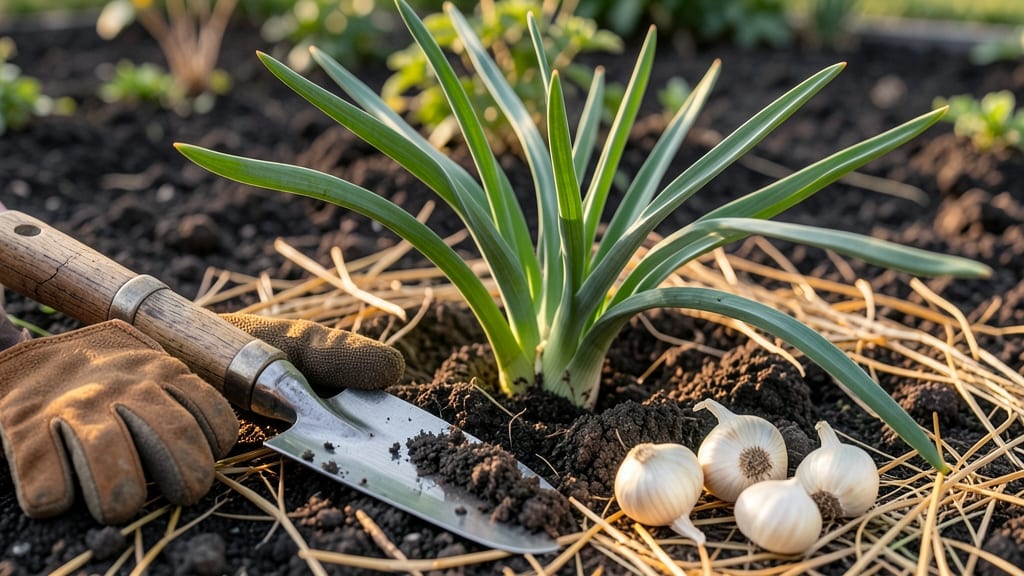
Timing garlic planting in Las Vegas isn't just about throwing cloves in the ground—it's the difference between a bountiful harvest of plump bulbs and a disappointing batch of tiny, bitter ones.
With our desert climate and short winters, knowing exactly when to plant 🧄 hardneck vs. softneck varieties is the key to success.
Most gardeners here make the mistake of waiting too late, only to watch their garlic bolt prematurely in the spring heat.
But if you plant at the right moment—between October and November—you'll give your garlic the cool weather it needs to establish strong roots before the Las Vegas sun ramps up.
I've grown garlic in this climate for years, and I'll show you exactly how to time your planting for zero-bolt success. We'll cover the ideal soil temperatures, how to prepare your garden bed, and which varieties thrive best in our 9a zone conditions.
Ready to grow garlic that's actually worth braiding for gifts? Let's dive into the perfect planting schedule that'll have you harvesting flavorful bulbs from June to July—without any surprises along the way.
Las Vegas garlic planting calendar: hardneck vs softneck timing explained
Las Vegas’s USDA Zone 9a climate means garlic thrives with precise planting timing. Unlike cooler regions, our mild winters and hot summers demand strategic scheduling to avoid bolting (premature flowering) or stunted growth.
The key? Planting 4-6 weeks before the first frost—typically October for hardneck and November for softneck varieties.
Hardneck garlic (best for flavor) needs cooler temps to form bulbs, while softneck (longer storage) handles slightly warmer soil. Miss the window, and you risk small, pungent bulbs or no harvest at all.
Let’s break down the exact timing and soil conditions for zero-bolt success in your desert garden.
For hardneck garlic, aim for early October when daytime highs drop below 75°F. This variety needs cold exposure to form bulbs, but Las Vegas’s mild winters mean you’ll need to plant earlier than northern gardeners. Use German White or Rocky Mountain—they handle our climate best.
Softneck garlic (Silverskin or Artichoke) is more forgiving and can go in late November. It stores longer but may bolt prematurely if planted too early. Monitor soil temps closely—above 65°F at planting can trigger bolting. Mulch heavily to keep roots cool.
Las Vegas’s lack of frost means you can extend planting slightly into December, but bulbs will be smaller. For zero-bolt success, prioritize soil prep: mix in compost and aged manure to improve drainage in our sandy desert soil. Avoid fresh manure—it burns roots!
Water deeply after planting, then reduce frequency as bulbs form. Overwatering in spring leads to rotten bulbs. Aim for 1 inch of water per week during active growth (October–March). Let the soil dry slightly between waterings to prevent disease.
Harvest hardneck garlic in June–July when lower leaves brown but tops stay green. For softneck, wait until July–August—they mature slower in our heat. Cure bulbs in a shady, dry place for 2–3 weeks before storing. Proper timing = plump, flavorful cloves!
If you plant after December 1, expect smaller bulbs or bolting. Las Vegas’s short winter means garlic grows fast—don’t delay! Mark your calendar now: October for hardneck, November for softneck.
How to avoid bolting in Las Vegas heat: soil, variety, and spacing secrets
Las Vegas’ desert climate can trick garlic into bolting—shooting up flower stalks instead of forming bulbs. This happens when temperatures rise too quickly or soil conditions aren’t ideal. The key to zero-bolt success lies in three critical factors: soil prep, variety selection, and proper spacing.
Let’s break down how to keep your garlic focused on bulbs, not flowers.
First, soil temperature is your biggest ally. Garlic thrives when soil stays between 50–60°F during early growth. In Las Vegas, this means planting in late October or November—after summer heat fades but before winter freezes set in.
Use a soil thermometer to confirm temps before planting. If soil is too warm, delay until conditions cool.
Next, amend your soil with organic matter like compost or aged manure. Desert soils lack nutrients and drain too quickly, forcing garlic to bolt under stress. Aim for 3–4 inches of compost mixed into the top 12 inches of soil.
This improves moisture retention and provides steady nutrients, reducing the risk of premature bolting.
⚠️ WARNING: Overwatering or poor drainage can also trigger bolting. Las Vegas soil is sandy—amend it with perlite or vermiculite to prevent waterlogging. Mulch with straw or wood chips to keep soil moist but not soggy. Avoid wet feet at all costs!
🚨 Bolting Red Flags
- ✂️ Flower stalks appear before bulbs form
- 🌡️ Soil temps exceed 65°F in early growth
- 💧 Overwatered or compacted soil
- 🌱 Thin, leggy stems instead of sturdy growth
Solution: Harvest green garlic (young shoots) if bolting starts—it’s still edible!
Choosing the right garlic variety makes all the difference. Hardneck varieties (like ‘German White’ or ‘Chesnok Red’) are better suited for Las Vegas’ cooler winters and tend to bolt later. Softneck varieties (like ‘Silverskin’) store longer but may struggle in heat.
Stick to hardnecks for your climate—they’re tougher and more reliable.
Finally, spacing matters. Crowded garlic plants compete for nutrients and water, increasing bolting risk. Space cloves 4–6 inches apart in rows 12 inches apart. This allows airflow, reduces disease, and helps bulbs grow large and plump.
In Las Vegas’ dry heat, mulch heavily (3–4 inches) to retain moisture and regulate soil temps.
With these tricks, your garlic will stay focused on bulb development instead of bolting. Test your soil, pick the right variety, and space plants properly—your harvest will thank you! 🌱