
Plants
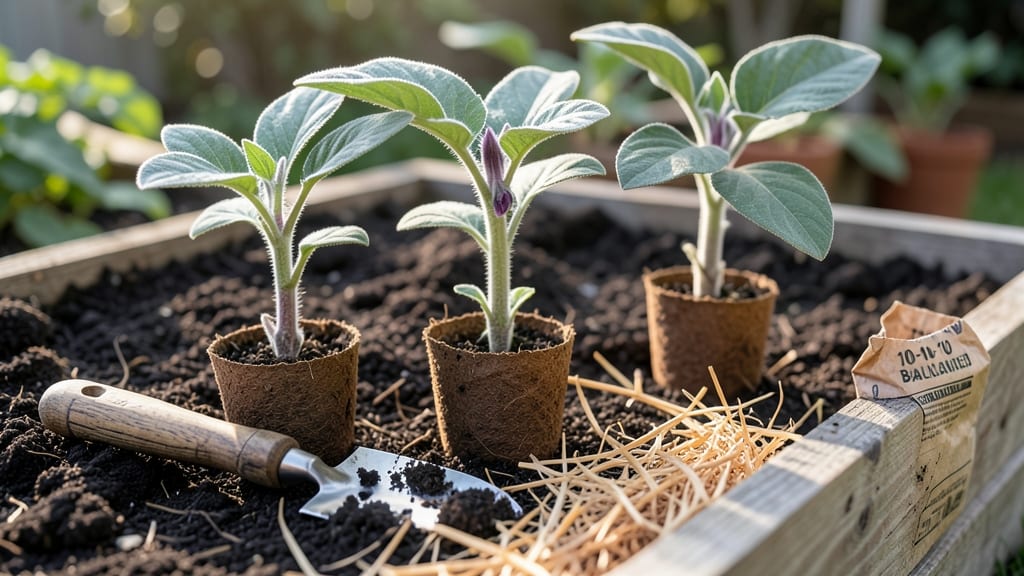
Georgia eggplant planting schedule by region: exact weeks after last frost
Georgia’s diverse climate means eggplant planting times vary dramatically from North Georgia’s cooler mountains to South Georgia’s sweltering lowlands. While most gardeners focus on the average last frost date (around March 15 in Atlanta), eggplants need soil temperatures above 70°F to thrive.
Planting too early risks stunted growth or even death from spring chill.
For North Georgia (USDA Zones 7a-7b), like Atlanta and the Blue Ridge Mountains, aim to plant 4-6 weeks after your last frost date. This typically lands between mid-April and early May, but always check your local frost-free date—some years, late frosts linger into April.
In these cooler zones, opt for early-maturing varieties like 'Black Beauty' or 'Ichiban' to ensure a harvest before fall frosts arrive.
In Central Georgia (Zones 7b-8a), including Macon and Columbus, you’ve got more flexibility. Plant 3-5 weeks after last frost, usually late April to early May.
The warmer climate here allows for longer growing seasons, so you can even squeeze in a second planting in early June for a fall harvest. Just be prepared to mulch heavily to retain moisture during summer’s intense heat.
🌱 Georgia Eggplant Planting Timeline by Region
| Region | Last Frost Date | Weeks After Frost | Planting Window | Soil Temp Requirement | Best Varieties |
|---|---|---|---|---|---|
| North Georgia (Atlanta, Blue Ridge) | March 15 - April 1 | 4-6 weeks | Mid-April to Early May | 70°F+ | Black Beauty, Ichiban |
| Central Georgia (Macon, Columbus) | March 1 - March 15 | 3-5 weeks | Late April to Early May | 70°F+ | Rosa Bianca, Purple Globe |
| South Georgia (Savannah, Valdosta) | February 15 - March 1 | 2-4 weeks | Late March to Early April | 75°F+ | Fairy Tale, Hansel |
For South Georgia (Zones 8a-8b), including Savannah and Valdosta, you can plant even earlier. With warmer winters and longer frost-free periods, aim for 2-4 weeks after last frost, usually late March to early April.
The heat here is relentless, so focus on heat-tolerant varieties like 'Fairy Tale' or 'Hansel', which handle 90°F+ temperatures without wilting. In fact, some gardeners in this region even plant directly into the garden in February under row covers for a jumpstart!
No matter where you’re planting in Georgia, soil temperature is more critical than air temperature. Use a soil thermometer to confirm your garden beds are at least 70°F before transplanting. Cold soil slows root growth, leaving plants vulnerable to disease and pests.
If your soil isn’t warm enough, consider using black plastic mulch to heat it up faster—this is a game-changer in North Georgia’s slower-starting springs.
Pro tip: Start seedlings indoors 8-10 weeks before your target planting date. Georgia’s short growing season means every day counts, and healthy transplants give you a head start. Use grow lights if your indoor space is dim, and harden off seedlings for a week before moving them outside.
This gradual transition helps them adapt to Georgia’s intense sun without shock.
If you’re in a transition zone (like West Georgia or the Piedmont), err on the side of planting later. Microclimates near lakes or rivers
Best heat-resistant eggplant varieties for Georgia’s humid climate
Georgia’s summer heat and humidity can be brutal on eggplants, but the right heat-resistant varieties will thrive in your garden. I’ve grown these top 5 varieties myself, and they consistently deliver high yields despite the oppressive heat.
The key is choosing types bred for disease resistance and fast maturity—critical for beating Georgia’s early fall frosts.
For compact gardens or containers, look for bush varieties like ‘Fairy Tale’ or ‘Patio Baby.’ These stay under 2 feet tall but still produce plenty of fruit.
If you have space for larger plants, ‘Black Beauty’ remains a classic, though it needs staking or caging to handle its 3-4 foot height. Don’t overlook white-fleshed varieties either—they’re milder and perfect for grilling or stir-fries.
Disease resistance is non-negotiable in Georgia’s damp climate. Varieties like ‘Ichiban’ and ‘Rosa Bianca’ have built-in fungal resistance, reducing the need for chemical sprays. Even better, they mature in just 60-70 days, giving you an edge when fall’s cooler temps arrive. Pro tip: Rotate crops yearly to prevent soil-borne diseases from building up.
If you’re growing eggplants in containers, prioritize dwarf varieties like ‘Patio Baby’ or ‘Fairy Tale.’ These stay under 18 inches tall and thrive in 5-gallon pots with proper drainage. For maximum yield, plant 2-3 plants per container—just ensure each has 6+ hours of sun daily.
I’ve seen ‘Fairy Tale’ produce 50+ fruits per plant in a single season when given the right care!
For late summer plantings (after July 15), choose fast-maturing varieties like ‘Ichiban’ or ‘Rosa Bianca.’ These can still produce harvestable fruit before Georgia’s first frost in November. Just be prepared to extend the season with row covers if temperatures dip below 50°F at night.
My Rosa Bianca plants once gave me a second harvest in October—proof that timing and variety matter!
Remember: soil health is just as important as variety selection. Amend your beds with compost or aged manure before planting, and maintain consistent moisture (but never soggy soil).
With the right variety and care, you’ll enjoy homegrown eggplants from July through October—just in time for your favorite summer dishes! 🍆