
Plants
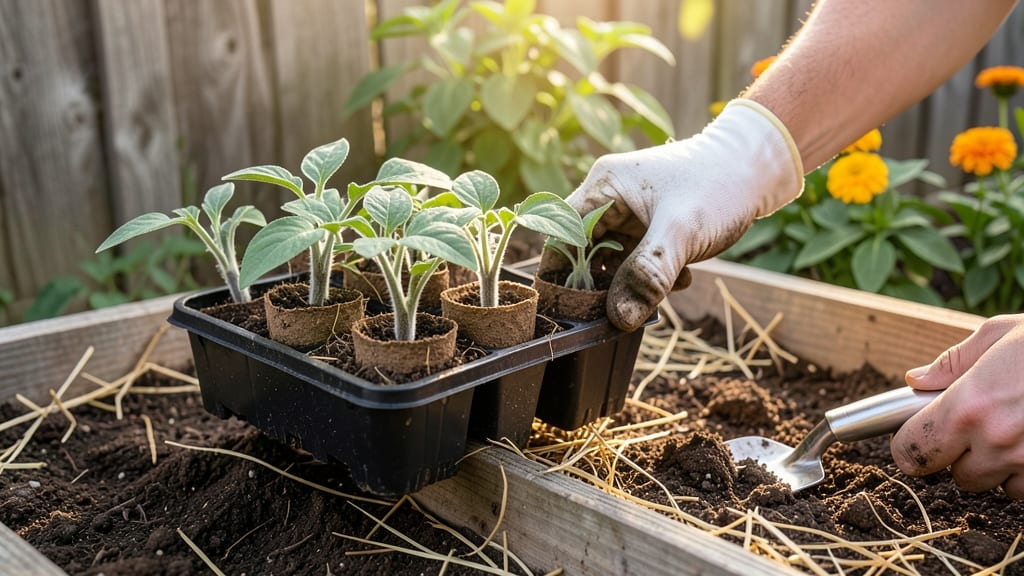
Louisiana eggplant planting timeline by heat zone: exact dates for zero-frost success
Louisiana’s USDA zones 8a-9b mean eggplant can grow almost year-round, but timing still matters. Unlike northern states, we don’t have to wait for frost to pass—just soil warmth.
Eggplant thrives when soil hits 70°F, which typically occurs by mid-March in southern Louisiana and late March in northern regions like Shreveport.
For maximum yield, focus on two key planting windows: spring (March-April) and fall (August-September). Spring plantings give you summer harvests, while fall plantings extend your season into early winter. The key is avoiding heat stress during Louisiana’s brutal summer months when temperatures can exceed 95°F.
Here’s your heat-zone breakdown for Louisiana eggplant success:
| Zone | Last Frost Date | Ideal Planting Window | Soil Temp Requirement | Transplant Ready |
|---|---|---|---|---|
| North Louisiana (8a) | March 15–April 1 | March 20–April 15 | 70°F+ | April 1–May 1 |
| Central Louisiana (8b) | March 1–March 15 | March 10–April 10 | 70°F+ | March 20–April 15 |
| South Louisiana (9a-9b) | February 15–March 1 | February 20–March 15 | 68°F+ | March 1–March 31 |
| Fall Planting (All Zones) | N/A | August 1–September 15 | 65°F+ | September 1–October 1 |
🌱 Note: Use row covers for early spring plantings to protect from unexpected cold snaps.
If you’re starting seeds indoors, begin 8-10 weeks before your last frost date. For Louisiana, that means January 15–February 1 for northern zones and January 1–January 15 for southern zones. Seedlings need warmth to germinate—keep them in a 70-80°F environment until ready to transplant.
For direct sowing, wait until soil is consistently 70°F+ and nighttime temperatures stay above 60°F. In Louisiana, this usually aligns with late March to early April for spring plantings.
Use a soil thermometer to confirm—eggplant roots are sensitive to cold, and stunted growth is a common issue when planted too early.
Pro tip: Monitor your local microclimate. Urban areas like New Orleans often warm up faster than rural regions. Check with your local Cooperative Extension office for hyper-local advice, especially if you’re in a cooler pocket of Louisiana.
Once planted, mulch heavily to retain soil moisture and regulate temperature. Louisiana’s summer heat can cause blossom drop—a frustrating issue where flowers fall off before fruiting. Use organic mulch like straw or wood chips to keep roots cool and hydrated.
For fall harvests, aim to transplant seedlings by September 1. This gives plants enough time to mature before cooler temperatures arrive. Varieties like Ichiban or Rosa Bianca handle Louisiana’s humidity better than traditional black eggplants, making them ideal for extended seasons.
Remember: Eggplant is a warm-season crop—it won’t tolerate frost, but it also struggles in extreme heat (above 95°F). Plan your planting schedule to avoid the hottest months (June-July) unless you’re using shade cloth or drip irrigation to manage stress.
How to extend eggplant season in Louisiana: staggered planting and heat management tips
Louisiana’s sweltering summers and humid heat can stress eggplants if not managed properly. The key to a longer harvest window lies in staggered planting and smart heat mitigation.
By spacing out your plantings and using shade solutions, you can enjoy eggplants from late spring through fall—even in the hottest months.
Start your first batch of eggplant seedlings indoors 8-10 weeks before your last frost date (around January-February for most of Louisiana). Once soil temperatures hit 70°F or warmer, transplant them outdoors.
For a fall harvest, begin your second batch indoors in late June or early July to transplant in August.
🌱 Numbered Highlights for Extending Eggplant Season
- 📅 Staggered Planting: Plant 3 batches 2-3 weeks apart for continuous harvests.
- ☀️ Shade Cloth: Use 30-50% shade during peak summer heat (10 AM–4 PM).
- 💧 Mulching: Apply 2-3 inches of mulch to retain moisture and cool roots.
- 🌿 Companion Planting: Pair with basil or marigolds to deter pests and improve growth.
- 🌡️ Heat Tolerance: Choose Ichiban or Rosa Bianca varieties for better heat resistance.
- 🌧️ Drip Irrigation: Water early morning to prevent fungal diseases in humidity.
For coastal Louisiana (zones 9-10), you can even experiment with year-round eggplant production using tropical varieties like Long Purple or Black Beauty. These varieties thrive in consistent warmth and can produce fruit even in mild winters if protected from light frosts with row covers.
Another trick is to prune your eggplants during extreme heat. Pinch off new flower buds when temperatures exceed 95°F to redirect energy to existing fruits rather than new growth. This ensures you harvest what you’ve got instead of losing potential yield to heat stress.
Don’t forget to monitor soil moisture closely during Louisiana’s dry spells. Eggplants need consistent watering, but soggy soil leads to root rot. Use a moisture meter or check soil depth—if the top 2 inches are dry, it’s time to water deeply.
Pair this with morning watering to let foliage dry before evening humidity sets in.
With these strategies, you can turn Louisiana’s long growing season into a year-round eggplant bonanza. Whether you’re aiming for summer feasts or fall harvests, smart planting and heat management will keep your eggplants thriving—no matter how hot it gets! 🌿