
Plants
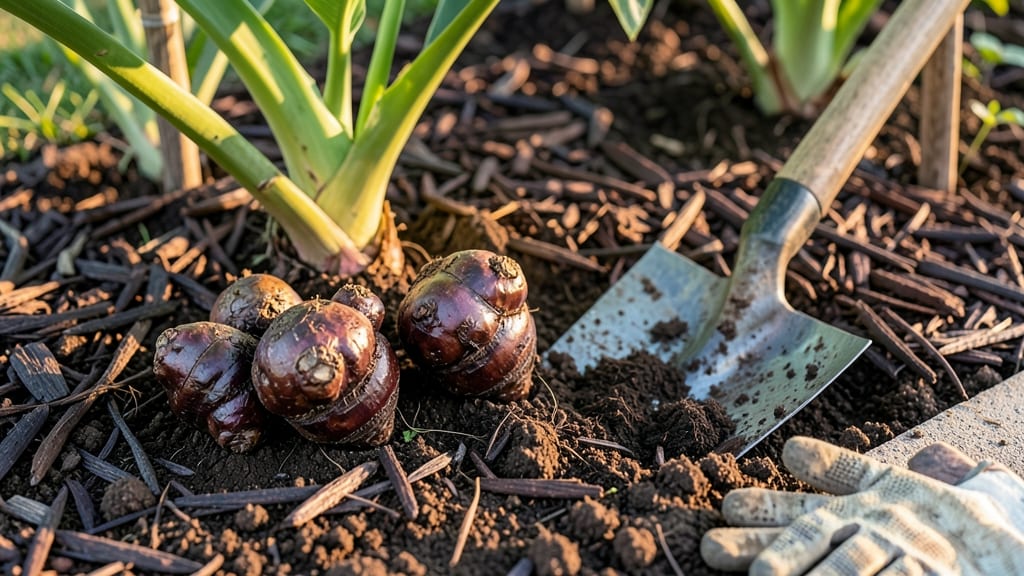
If you're dreaming of lush, tropical-looking Elephant Ear 🌿 plants thriving in your Georgia garden, knowing when to plant elephant ear bulbs in Georgia is the secret weapon you can't afford to mess up.
Planting these stunning foliage stars too early risks frost damage, while waiting too long means missing their full potential in Georgia's Zone 8 climate.
Most gardeners in Georgia know the struggle - you want those dramatic leaves to dominate your landscape, but the April-May window after last frost is your golden opportunity. I've seen firsthand how proper timing transforms these tubers from fragile imports to showstopping garden features.
What makes this even more critical is Georgia's variable microclimates - Atlanta's urban heat can differ dramatically from Macon's rural areas. We'll break down exactly when to plant in your specific corner of the state, plus the soil temperature secrets that make all the difference.
Ready to turn your garden into a tropical paradise? Let's dive into the precise timing and care tips that'll have your Elephant Ear plants thriving all summer long, with zero frost-related surprises. Your perfect planting window starts here.
Ideal planting windows for Georgia’s Zone 8 elephant ear bulbs
Georgia’s Zone 8 climate offers a narrow window for planting elephant ear bulbs—too early risks frost damage, while late planting can stress plants during peak summer heat. The key is planting after your last frost date, typically between mid-April and early May for most of Georgia.
This timing ensures tubers have 60–70°F soil temperatures to sprout successfully.
In Zone 8a (cooler areas like the North Georgia mountains), aim for late April to early May. For Zone 8b (warmer regions like Savannah or Macon), you can start as early as mid-March to early April, but monitor soil temperatures to avoid premature sprouting.
Urban areas may experience microclimates—check your specific last frost date using local weather data.
For spring planting, focus on Colocasia varieties like 'Black Magic' or 'Illustris', which thrive in Georgia’s heat. Alocasia (like 'Polly' or 'Dragon Scale') prefers slightly cooler conditions, so plant these in early spring or late fall. Always plant tubers 2–3 inches deep in well-draining soil to prevent rot.
If you miss the spring window, consider fall planting for Alocasia varieties, which can establish roots before winter. Plant tubers in late September to early October, allowing 6–8 weeks for root growth before the first frost. Mulch heavily with straw or leaves to insulate tubers during winter.
For container gardening in Georgia, plant tubers in well-draining pots and move them indoors before temperatures drop below 50°F. This flexibility lets you extend the growing season in Zone 8a areas where frosts linger. Just ensure containers have drainage holes to prevent rot.
Always choose a sunny to partially shaded spot with 6+ hours of morning sun and afternoon shade. Georgia’s humid summers can scorch leaves, so prioritize afternoon shade from trees or structures. Amend heavy clay soils with compost to improve drainage—this is critical for elephant ear bulb health.
After planting, water deeply 2–3 times per week to encourage root growth. Avoid overhead watering to prevent fungal diseases like leaf spot, common in Georgia’s damp climate. A 2–3 inch layer of mulch will retain moisture and regulate soil temperature.
Remember: Elephant ear bulbs are tender perennials in Georgia—they’ll die back in winter but return if tubers survive. In Zone 8a, protect tubers with extra mulch or dig and store them in sphagnum moss indoors during harsh winters.
With the right timing, your elephant ears will reward you with bold foliage all summer long! 🌿
Ideal planting windows for Georgia’s Zone 8 elephant ear bulbs
Georgia’s Zone 8 climate offers a narrow but critical window for planting elephant ear bulbs—typically between mid-April and early May. This timing ensures tubers escape late frosts while avoiding summer’s brutal heat.
In Zone 8a (e.g., Atlanta), aim for April 15–May 1, while Zone 8b (e.g., Savannah) can start slightly earlier, around mid-March, thanks to milder winters.
Your last frost date is your golden cue: plant only after 3 consecutive nights above 40°F. Check local forecasts or use the National Weather Service’s frost maps for real-time updates.
Urban areas like Atlanta’s downtown may experience heat islands, delaying frost risks by 1–2 weeks compared to rural zones.
| Region | Zone | Ideal Planting Window | Soil Temp Threshold |
|---|---|---|---|
| Atlanta | 8a | April 15–May 1 | 60–65°F |
| Savannah | 8b | March 20–April 10 | 65–70°F |
| Macon | 8a | April 1–April 15 | 60–65°F |
| Urban Heat Islands (e.g., Atlanta) | 8a | May 1–May 10 | 65–70°F |
For fall planting, consider late summer (August) if you’re aiming for winter-hardy varieties like Colocasia esculenta. However, most elephant ear bulbs struggle in Georgia’s humid winters, so spring planting is safer. If you must plant in fall, choose a sheltered spot with extra mulch to insulate tubers.
Test your soil temperature with a soil thermometer—plant only when it hits 60°F at 4-inch depth. Cold soil slows root growth, leaving tubers vulnerable to rot.
In clay-heavy Georgia soils, amend with compost or sand to improve drainage. Avoid planting in low-lying areas where frost or water pooling could occur.
Pro tip: Pre-sprout tubers indoors in late March for a 2-week head start. Place them in a bright, warm spot (70°F) and plant outdoors once sprouts reach 2 inches. This trick helps compensate for Georgia’s unpredictable spring weather and ensures vibrant foliage by summer.
Remember, elephant ears thrive on patience. Rushing the process risks frost damage or heat stress, while waiting too long may result in stunted growth. Stick to these windows, and you’ll enjoy lush, drama-filled foliage all summer long. 🌿