
Plants
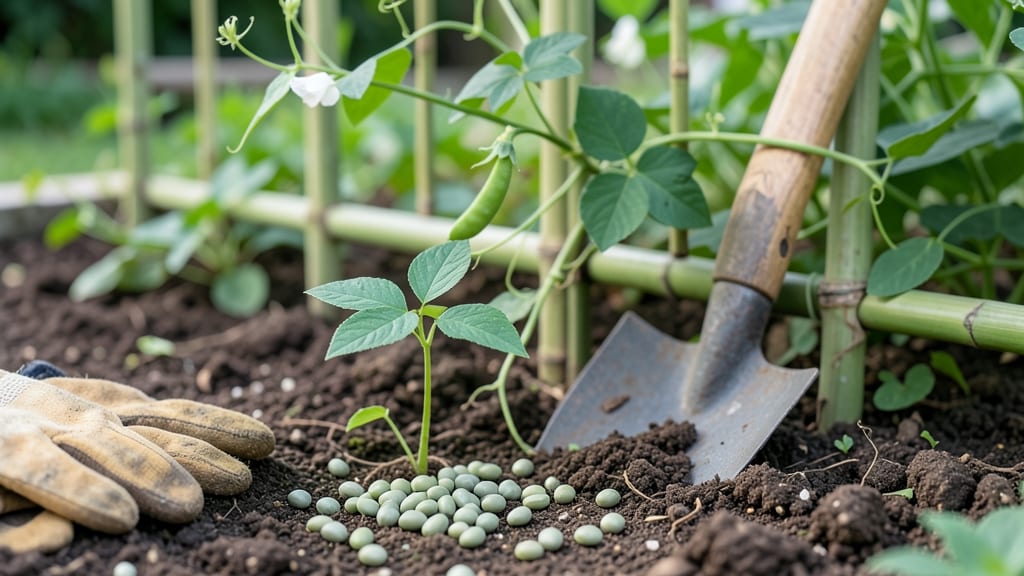
Optimal planting dates for English peas in Zone 8: avoiding heat stress
English peas (Pisum sativum) are cool-season crops that struggle when temperatures rise above 75°F (24°C). In Zone 8, timing is everything—plant too early, and you risk powdery mildew; too late, and your peas bolt or produce poor yields.
The ideal window is 4-6 weeks before your first frost, typically mid-August to early September, but late winter plantings also work.
Zone 8’s last frost date usually falls around January 15, leaving a 10-week growing season for fall peas. For spring harvests, aim to plant 4-6 weeks after your last frost (around mid-February).
This ensures peas mature before summer heat sets in. Always check your local USDA frost calendar for precision.
Soil temperature is just as critical as air temperature. Peas germinate best in soils between 45°F and 85°F (7°C–29°C), but ideal germination occurs at 60°F–70°F (15°C–21°C).
In Zone 8, soil warms up quickly in late summer, so late August plantings often yield the best results. Use a soil thermometer to confirm conditions before sowing.
Here’s a quick reference for Zone 8’s planting timeline:
| Season | Planting Window | Key Considerations |
|---|---|---|
| Fall | Mid-August – Early September | Soil temps 60°F–70°F (15°C–21°C); harvest before first frost. |
| Winter | Mid-February – Early March | Use row covers for frost protection; soil should thaw. |
| Spring | Late March – Early April | Plant after last frost; avoid summer heat. |
🌱 Pro Tip: For continuous harvests, stagger plantings every 2 weeks.
If you’re unsure about your first frost date, use the National Weather Service or local cooperative extension service for data. Many Zone 8 gardeners in Southern California or Arizona can plant peas year-round, but those in Georgia or Florida (Zone 8a) may need to adjust for earlier frosts.
Always prioritize cool nights (below 70°F/21°C) to prevent bolting.
For fall plantings, focus on cold-hardy varieties like 'Lincoln' or 'Green Arrow', which tolerate light frosts. In contrast, spring plantings benefit from dwarf varieties like 'Little Marvel', which mature faster. Avoid tall vining types in spring—they struggle with Zone 8’s summer heat.
One common mistake is planting peas too deep. Seeds should be 1 inch deep in well-drained soil. Over-deepening delays germination, while shallow planting risks poor root establishment. Always water thoroughly after sowing to encourage even sprouting. Mulch with straw or grass clippings to retain moisture and regulate soil temperature.
Monitor your peas for heat stress signs, like yellowing leaves or stunted growth. If temperatures exceed 80°F (27°C) for more than a week, consider providing afternoon shade with a lightweight row cover.
This simple step can extend your harvest window by 2–3 weeks in late summer or early fall.
Finally, remember that succession planting is key for a steady supply. In Zone 8, you can often squeeze in two harvests per year: one in late fall and another in early spring. Plan your schedule around these cycles to avoid gaps in your fresh pea supply.
Optimal planting dates for English peas in Zone 8: avoiding heat stress
English peas (Pisum sativum) love cool weather, but in Zone 8, the heat of summer can stress them out if planted too late. The key is timing your fall and winter plantings to avoid soil temperatures above 80°F, which slows germination and growth.
Since Zone 8’s first frost typically arrives around November 15, your window is tight but doable with the right approach.
For a fall harvest, aim to plant 4-6 weeks before your first frost. In Zone 8, that means mid-August to early September for most areas. This gives peas enough time to mature before cold sets in.
If you miss this window, don’t worry—late winter plantings (around February) can yield a spring harvest before summer heat arrives.
| Season | Planting Time | Soil Temp | Expected Harvest |
|---|---|---|---|
| Fall | Mid-August to early September | 50-70°F | October-November |
| Winter | Late February | 45-60°F | March-April |
To pinpoint your exact planting dates, check your local frost dates (use the USDA Plant Hardiness Zone Map or a frost calendar for your city).
For example, if your first frost is November 10, plant by October 1 for a harvest before cold sets in. Soil temperature is just as critical—peas germinate best in 50-70°F soil, so avoid planting when temps exceed 80°F.
Pro tip: Succession planting works well for peas. After your first harvest, sow a second batch in late September for a winter harvest before spring arrives. Just ensure your last frost date (around January 15 in Zone 8) doesn’t catch them off guard. Use row covers if frost threatens early.
If you’re unsure about your Zone 8 microclimate, observe your garden’s behavior. Peas planted in shadier spots or near trees may stay cooler longer, extending your growing season.
Always test your soil temperature with a soil thermometer before planting—it’s the best way to avoid heat stress and ensure strong germination.
Remember, English peas are cool-season crops, so they’ll bolt (flower prematurely) if exposed to prolonged heat. By sticking to these planting windows, you’ll enjoy sweet, tender pods without the risk of bitter or woody peas. Happy planting!