
Planting
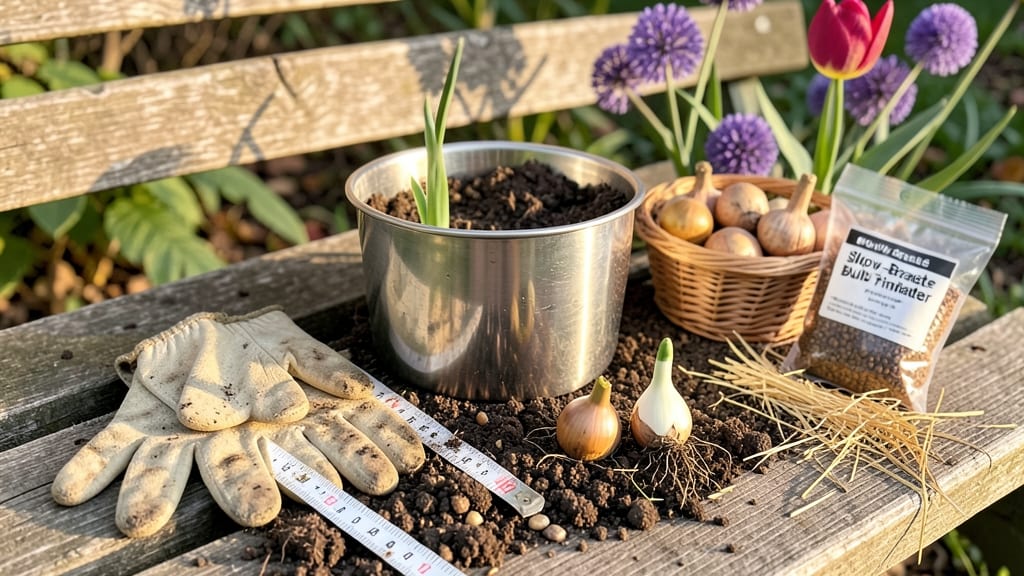
Planting flower bulbs 🌷 in the fall isn’t just about timing—it’s the secret to a showstopping spring garden that’ll make your neighbors jealous. Get it wrong, and you’re left with weak sprouts or worse, no blooms at all.
But here’s the good news: with just 6-8 weeks before your first frost, you can set your bulbs up for success.
Why fall? Because cooler soil temperatures help roots establish before winter dormancy, giving your tulips, daffodils, and crocuses a head start. Whether you’re in USDA Zone 6a or beyond, the key is planting early enough for roots to grow but not so early that they wake up too soon.
I’ll show you exactly how to nail this window for your climate.
This isn’t rocket science—just a few simple steps to prep your soil, choose the right bulbs, and avoid common mistakes that kill blooms before they even begin. Let’s break it down so you can confidently plant and enjoy a garden that wows next spring.
Ready to transform your yard? Grab your gloves, and let’s get those bulbs in the ground the right way—once, and for good.
The 6-Week pre-frost rule: exact timing for fall bulb planting
Planting flower bulbs in the fall isn’t just about throwing them in the ground—it’s about giving them 6 weeks of root growth before the ground freezes. This window ensures bulbs establish strong roots while staying dormant through winter, leading to vibrant spring blooms.
The key is timing it right based on your local frost dates and soil temperatures.
Most gardeners aim to plant bulbs 4-6 weeks before the first hard frost. In USDA zones 3-7, this typically falls between mid-September and mid-October. For warmer zones (8-10), you can plant as late as November or even December, as the ground stays workable longer.
The goal? Roots should reach 4-6 inches deep before winter sets in.
Why this timing? Bulbs need cooler soil temperatures (60°F or below) to trigger dormancy. Planting too early (like August) can cause bulbs to sprout prematurely, while planting too late (after frost) risks root damage or failure to establish.
Check your local frost dates—most weather services provide this info for free.
Here’s how to calculate your perfect planting window:
- Find your average first frost date (use the USDA Plant Hardiness Zone Map).
- Subtract 6 weeks from that date to get your planting deadline.
- Adjust for soil conditions: If your soil stays warm, plant on the earlier side; if it cools quickly, wait.
For example, in Zone 5, with a first frost around October 15, aim to plant by September 1. In Zone 9, where frost hits December 15, you can plant until late November.
Always err on the earlier side if unsure—roots can handle cooler temps better than warm soil.
🌱 Fall Bulb Planting Timeline by USDA Zone
| Zone | First Frost | Planting Window | Soil Temp Goal |
|---|---|---|---|
| 3-4 | Late September | Mid-August to early September | Below 60°F |
| 5-6 | Mid-October | Late September to early October | 50-60°F |
| 7-8 | Late November | October to early November | 55-65°F |
| 9-10 | Mid-December | November to early December | 60-70°F |
Pro Tip: Use a soil thermometer to confirm temps—bulbs need cooler soil to dormancy.
Soil temperature is just as critical as frost dates. Bulbs planted in warm soil (above 60°F) may sprout too early and get damaged by frost. Test your soil with a thermometer—ideal temps are 50-60°F for most bulbs.
If your soil is still warm, wait a few weeks or plant in shaded areas to cool the ground faster.
Don’t overlook moisture levels during planting. Bulbs need consistent moisture to root but can’t handle soggy soil. Water thoroughly after planting, then mulch with 2-3 inches of straw or leaves to insulate roots and retain moisture. This is especially important in dry climates or years with early freezes.
Regional adjustments matter! In northern climates (Zones 3-5), prioritize earlier planting to account for shorter growing seasons. In southern zones (8-10), you can plant later but may need to water more frequently to prevent drought stress.
Always check local microclimates—low spots stay cooler and may need earlier planting.
Remember: The 6-week rule is a guideline, not a strict deadline. If your soil is too warm, wait; if frost is imminent, plant anyway—roots will still form, just more slowly. The key is consistency: cool soil, adequate moisture, and protection from extreme cold.
Once planted, bulbs enter dormancy and rely on stored energy. Next spring, they’ll burst into bloom with minimal care—just water and watch them thrive. Timing it right now means less work later and more flowers for you to enjoy! 🌷
The 6-Week pre-frost rule: exact timing for fall bulb planting
Planting flower bulbs in the fall isn’t just about timing—it’s about giving them a head start. The 6-week pre-frost rule is your golden window to plant bulbs so they establish strong roots before winter dormancy.
This means calculating your first frost date and planting 4-6 weeks before the ground freezes solid.
For most of the U.S., this window falls between mid-September and early November, depending on your USDA hardiness zone. In colder zones (3-5), aim for early September, while warmer zones (7-10) can plant as late as December.
The key is to avoid planting too early—bulbs need cool soil (60°F or below) to trigger dormancy.
🌱 Why this timing matters: Bulbs like tulips and daffodils need 4-6 weeks of root growth before freezing temperatures set in. If planted too late, roots won’t develop enough to sustain the bulb through winter, leading to weak or no blooms next spring.
| Zone | Ideal Planting Window | Soil Temp Goal | Notes |
|---|---|---|---|
| 3-5 (Cold) | Mid-August to early October | Below 60°F | Early planting for snow cover protection |
| 6-7 (Temperate) | September to mid-October | 50-60°F | Standard 6-week pre-frost rule applies |
| 8-10 (Mild) | October to December | 40-50°F | Can plant later; minimal winter chill |
To find your exact window, check your local frost dates (use the National Weather Service or Old Farmer’s Almanac) and count backward. For example, if your first frost is November 15, plant by October 1.
Pro tip: Use a soil thermometer—bulbs need consistent cool soil (below 60°F) to thrive.
Don’t stress if your window feels tight—bulbs planted 2-3 weeks late can still survive, though blooms may be smaller. The worst mistake? Planting too early in warm soil, which can cause bulbs to sprout and die before winter. Always prioritize root establishment over speed.
🌿 Regional adjustments: In areas with early frosts (like Zone 4), plant by late September. In mild climates (Zone 9-10), you can even plant in December—just ensure soil stays cool. For containers, plant slightly later (2 weeks) since pots warm up faster.