
Flowers
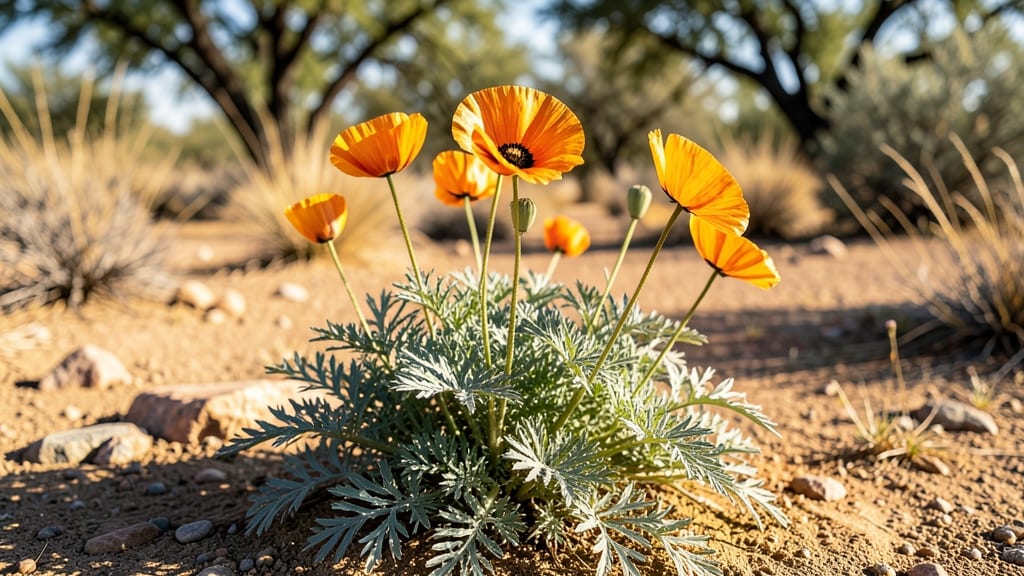
Timing your flower planting in Arizona isn't just about the calendar—it's about beating the heat and working with the monsoons. Skip the wrong window, and your 🌸 blooms could struggle before they even take root.
But with the right strategy, you can enjoy vibrant gardens year-round, even in USDA Zone 9b.
Fall is the golden window for planting most flowers in Arizona, giving them time to establish roots before the scorching summers. From September through November, temperatures are milder, and the risk of frost is nearly nonexistent—perfect conditions for annuals, perennials, and even drought-resistant varieties like desert marigolds.
But don’t stop there—winter planting (December to February) can also set you up for stunning spring and summer blooms. The key is avoiding the extreme summer heat, which can shock young plants and stunt their growth.
Whether you're a seasoned gardener or just starting, mastering these timing tricks will make all the difference.
Ready to transform your Arizona garden? I’ll walk you through the best months, heat-zone strategies, and even which flowers thrive in this climate. Let’s get those blooms growing the right way.
Arizona heat-Zone planting calendar: month-by-month flower scheduling
Arizona’s 10 USDA heat zones (9b–12) mean your planting schedule should shift dramatically between Low Desert (Phoenix) and High Desert (Flagstaff). Unlike cooler climates, we plant year-round, but timing is critical to avoid heat stress or monsoon flooding. Here’s your month-by-month guide to maximize blooms.
In Low Desert zones (9b–11), focus on fall and winter planting to beat the summer heat. For High Desert zones (10a–12), late winter and early spring work best. Native desert marigolds and bougainvillea thrive with minimal fuss, while roses need cooler starts.
🌱
Arizona Flower Planting Calendar
| Season | Best Planting Months | Flowers to Plant | Key Tips |
|---|---|---|---|
| Fall (Sept–Nov) | September–October | Marigolds, Zinnias, Petunias, Snapdragons | Soil temps 70–85°F; water deeply at dusk. |
| Winter (Dec–Feb) | December–February | Tulips, Daffodils, Pansies, Sweet Alyssum | Cool nights (40–60°F) prevent shock. |
| Spring (Mar–May) | March–April | Lantana, Salvia, Desert Roses, Agave | Avoid planting after April 15—heat arrives fast. |
| Summer (Jun–Aug) | June–July (shade only!) | Portulaca, Sunflower, Morning Glory | Use 50% shade cloth; water morning-only. |
For Low Desert gardens, prioritize fall planting (Sept–Nov) to establish roots before summer. I’ve seen desert marigolds bloom nonstop when planted in October, while zinnias sown in February often bolt by June. Monsoon season (July–Aug) is risky—stick to drought-tolerant natives like penstemon or yucca if you must plant.
In High Desert areas, late winter (February–March) is ideal for cool-season annuals like pansies. I once planted tulip bulbs in December and they bloomed in March—perfect timing for spring festivals. Avoid planting heat-lovers (e.g., bougainvillea) until April to prevent transplant shock.
Pro tip: Use mulch (2–3 inches) to retain moisture and regulate soil temps. In Phoenix, I’ve used gravel mulch to prevent fungal issues during monsoon downpours. For Flagstaff’s cooler nights, straw mulch works better to insulate roots.
🌿
If you’re in Zone 11 (Yuma), extend your summer planting to May for heat-tolerant annuals like portulaca. But in Zone 10a (Tucson), June planting risks 100°F+ soil temps. Always check USDA Zone maps and local Arizona Cooperative Extension guides for microclimate tweaks.
For container gardening, start 6–8 weeks earlier than in-ground plants. I’ve had petunias bloom in containers by February in Tempe, while in-ground plants waited until March. Use fast-draining mixes with perlite to prevent root rot.
🪴
Remember: Monsoon season (July–Aug) brings unpredictable rains. If you plant in July, use raised beds to avoid waterlogged soil. For fall blooms, sow cosmos in August—they’ll thrive in the cooler monsoon temps and bloom by October.
Finally, succulents and cacti can be planted year-round, but spring (March–April) is best for agave and prickly pear. I’ve transplanted barrel cacti in December with 0% loss—just avoid
Best flowers for Arizona’s extreme heat: drought-resistant varieties by season
Arizona’s 110°F+ summers demand flowers that thrive with minimal water and intense sunlight. The key is choosing native desert flowers and heat-tolerant varieties that bloom year-round with the right care.
My top picks include bougainvillea, desert marigolds, and blanket flowers, all of which handle Arizona’s USDA Zones 9b-12 like pros.
For spring blooms (March–May), prioritize penstemon and beardtongue, which love the cooler temps and start flowering as soon as the ground warms. These perennials are drought-resistant once established and attract hummingbirds—double the reward!
Summer (June–August) is all about heat-loving annuals like lantana and salvia, which thrive in full sun and need only bi-weekly watering.
Fall (September–November) is my favorite planting window—cooler temps mean less stress on roots. Gaillardia (blanket flower) and zinnia explode with color, while agave adds architectural drama with almost zero upkeep.
Winter (December–February) isn’t a dead zone! Desert willows and paper flowers (bracteantha) bloom beautifully with minimal water, perfect for Arizona’s mild winters.
Pro tip: Mulch heavily (3–4 inches of gravel or bark) to retain moisture and regulate soil temps. I’ve seen desert marigolds bloom nonstop for months with this trick! Pair them with succulents like agave for a zero-maintenance combo that thrives in Arizona’s alkaline soil.
Just avoid overwatering—root rot is the #1 killer of desert flowers.
For container gardening, opt for petunias or geraniums—they handle pots well and bloom prolifically. Just ensure pots have drainage holes and use cactus/succulent mix for soil. My bougainvillea in a 15-gallon pot gets weekly deep watering and still thrives in 100°F+ temps.
Don’t forget native wildflowers like ocotillo or fairy duster for a wild, low-water look. They’re pollinator magnets and require almost no care once planted. Pair them with drought-tolerant ground covers like desert sand verbena to minimize weeds and water needs.