
Flowers
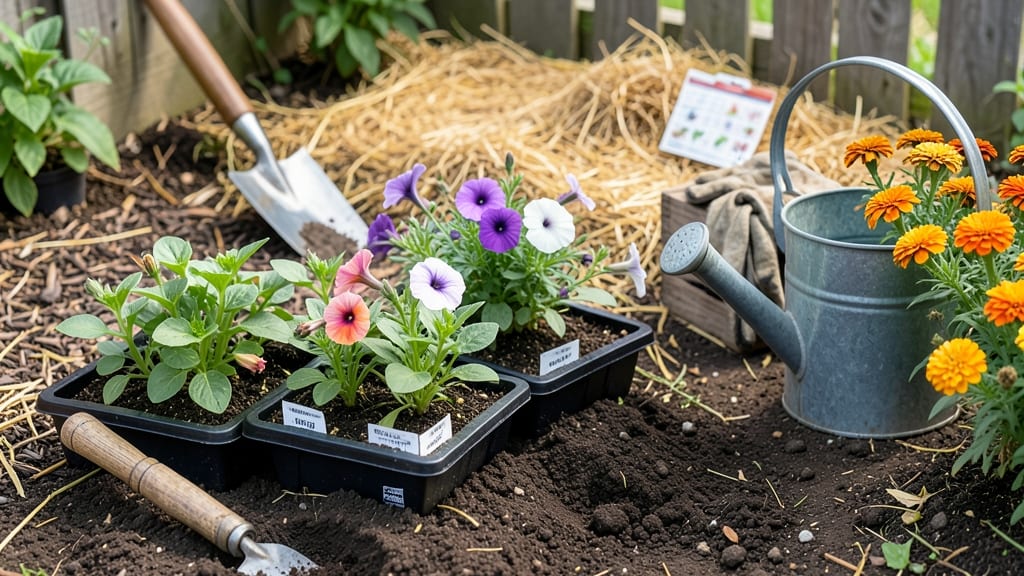
Knowing when to plant flowers in Zone 7 can mean the difference between a vibrant garden and a sad, frost-nipped disappointment.
The right timing isn’t just about throwing seeds in the ground—it’s about understanding your climate’s quirks, like those tricky Zone 7 frost dates that can catch even experienced gardeners off guard.
Whether you’re dreaming of spring blooms or planning for a fall display, the key is working with nature’s rhythm. Plant too early, and a late frost could wipe out your hard work. Too late, and you might miss the prime window for peak blooms that make your garden shine.
I’ll break down the exact months for annuals, perennials, and bulbs so you can time it perfectly.
Let’s start with the basics: cool-season flowers like pansies thrive when planted in late winter to early spring, while warm-season favorites need to wait until after the last frost.
But there’s more to it than just dates—soil temperature, sunlight, and even your garden’s microclimate play a role. Ready to turn your garden into a year-round paradise? Let’s get started.
You’ll also discover how to avoid common mistakes, like planting bulbs too shallow or ignoring mulch, which can make or break your flowers’ success. With the right timing and a few pro tips, you’ll have a garden that blooms beautifully from spring through fall—no guesswork required.
Best planting months for annual flowers in Zone 7 by type
In Zone 7, your flower garden can burst into color year-round—but only if you plant at the right time. Annuals are divided into two groups: cool-season flowers that thrive in spring and fall, and warm-season varieties that love summer heat.
Miss the window, and you’ll either lose plants to frost or wait too long for blooms.
For Zone 7, the last average frost date is around March 15, and the first frost arrives near November 15. This gives you two prime planting seasons: spring (March–May) and fall (August–September).
Let’s break down the best months for each type to ensure vibrant blooms all season.
🌱
Cool-season annuals like pansies and snapdragons can handle light frosts, making them perfect for early spring or late fall planting. I always start mine indoors in February for blooms by April, then replant again in August for a second flush of color in fall.
Warm-season favorites like petunias and marigolds need to wait until the soil warms to at least 60°F—typically mid-April in Zone 7. Planting too early risks damping off (a fungal disease). For a foolproof schedule, use a soil thermometer to confirm readiness.
Heat-tolerant annuals like cosmos and lantana thrive when planted in May–June. These plants love the summer heat and can even bloom through early fall. I often let them self-seed for next year’s garden, saving me time and effort.
For a nonstop bloom show, layer your plantings: Start cool-season flowers in February, follow with warm-season varieties in April, and add fall-bloomers in August. This creates a 12-month garden with minimal gaps.
🌿
Pro tip: If you’re unsure about frost dates, check your local Cooperative Extension Service for precise timelines. They provide hyper-local advice tailored to your exact microclimate—whether you’re in the mountains or near the coast.
Finally, always harden off seedlings before transplanting. Gradually expose them to outdoor conditions over 7–10 days to avoid shock. This simple step boosts survival rates by 30–50%, ensuring your garden thrives from day one.
When to plant perennials and bulbs in Zone 7 for year-round color
Perennials and bulbs are the backbone of a low-maintenance, high-impact garden in Zone 7. Unlike annuals that bloom and fade in one season, these plants return year after year—if planted at the right time.
The key is understanding their natural cycles and soil temperature preferences to ensure they establish strong roots before winter dormancy.
For perennials, the best planting windows are early spring (after last frost) and early fall (6-8 weeks before first frost).
This gives roots time to grow before extreme temperatures hit. Bulbs, on the other hand, thrive when planted in fall—their natural dormancy period aligns perfectly with Zone 7’s cooler months.
Here’s how to time it perfectly for year-round blooms, including my top tips for soil prep and layering techniques to extend your garden’s beauty.
For perennials, I recommend dividing clumps every 3-4 years in early spring to rejuvenate growth.
This is especially true for daylilies and hostas, which can become overcrowded. Bulbs, like tulips, benefit from a layering technique—planting new bulbs alongside old ones each fall to create a continuous display over multiple years.
One of my favorite tricks for extended blooms is to plant early and late varieties of the same bulb. For example, pair early tulips (like ‘Darwin Hybrid’) with late tulips (like ‘Parrot’) to ensure color from April through May.
The same logic applies to perennials—mix spring (like bleeding heart) with fall (like sedum) for a seamless transition.
Don’t forget to mulch after planting! A 2-3 inch layer of organic mulch (like shredded bark) helps regulate soil temperature and retain moisture—critical for root establishment in both spring and fall plantings. Just avoid piling mulch directly against stems to prevent rot.
With the right timing and a little layering, your Zone 7 garden can burst with color from early spring through late fall—with minimal effort. The secret? Plan ahead and let nature do the rest. 🌷