
Plants
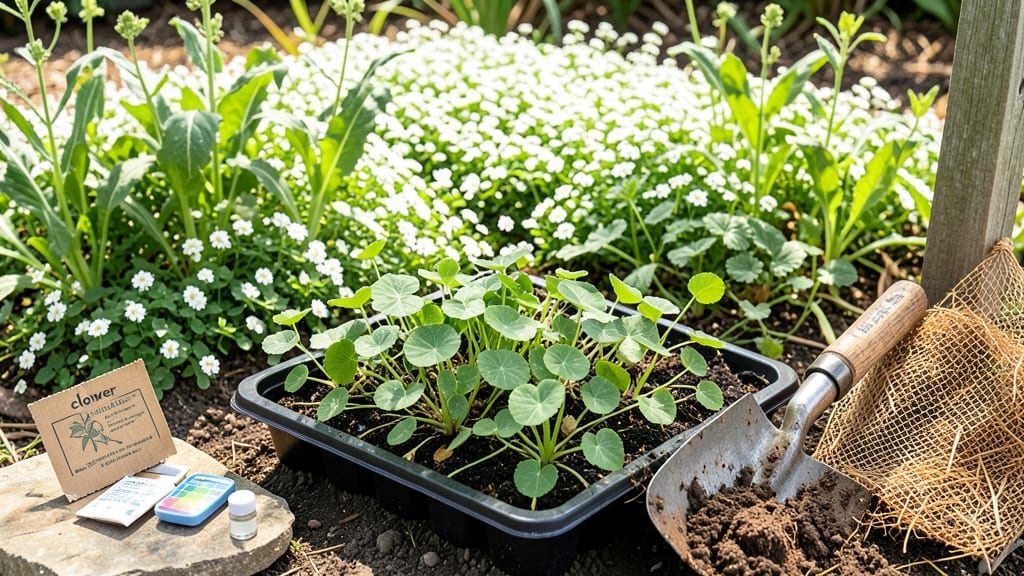
Optimal Florida food plot planting windows by month (heat-zone guide)
Florida’s climate isn’t one-size-fits-all—its three distinct heat zones (North, Central, South) create unique planting windows for food plots. Unlike northern states, Florida’s frost-free year-round growing season means you can plant almost anytime, but timing still matters to avoid peak summer stress or hurricane-season flooding.
Let’s break down the best months for each zone, including rainy season strategies to maximize germination.
The North Zone (Panhandle, Jacksonville area) has cooler winters and slightly more predictable rainfall, while the Central Zone (Orlando, Tampa) battles intense summer humidity, and the South Zone (Miami, Everglades) faces year-round warmth with monsoon-like downpours.
Even within these zones, microclimates—like elevation changes or proximity to water bodies—can shift your ideal planting window by 2–4 weeks. Always check your local USDA Zone (9a–10b) for fine-tuning.
Here’s the golden rule: Plant when soil temps are 65–75°F and rainfall averages 1–2 inches per week. In Florida, that’s typically March–April (spring) and September–November (fall).
These windows avoid the brutal July–August heat and hurricane-prone September, though South Florida can push planting into December–January for winter forage.
For annual crops like clover or brassicas, aim for 60–90 days to maturity before hunting season kicks off. Perennials like sericea lespedeza or bahiagrass can handle broader windows but still need well-drained soil to thrive.
If you’re planting for deer browsing, prioritize fall plantings—deer are most active then, and cooler temps mean faster regrowth after grazing.
Now, let’s dive into the month-by-month breakdown with a comparison table to help you pick the perfect window for your zone. This visual guide will show you the best, good, and avoid months, plus rainy season hacks to keep your seeds from washing away.
🌾 Florida Food Plot Planting Guide by Zone & Month
| Zone | Month | Best For | Rainfall Risk | Soil Temp (°F) | Notes | ||||||||||||
|---|---|---|---|---|---|---|---|---|---|---|---|---|---|---|---|---|---|
| North | March–April | Clover, Brassicas | Low | 65–75 | Ideal germination | ||||||||||||
| North | September–October | Sorghum-Sudangrass | Moderate | 75–85 | Avoid late Sept hurricanes | ||||||||||||
| Central | April–May | Amaranth, Cowpeas | High | 70–80 | Use raised beds | ||||||||||||
| Central | October–November | Winter Peas, Rye | Low | 60–70 | Best deer forage | ||||||||||||
| South |
Optimal Florida food plot planting windows by month (heat-zone guide)Florida’s climate offers a year-round growing season for food plots, but timing matters more than you might think. The state’s three distinct heat zones—North (Zone 8a-9a), Central (Zone 9a-9b), and South (Zone 10a-10b)—each demand tailored planting strategies. In my experience, September through November and March through April are the sweet spots, aligning with natural rainfall patterns and avoiding peak summer stress. Northern Florida’s cooler winters and occasional light frosts (rare but possible) mean early spring (March) is ideal for cool-season crops like clover and brassicas. Meanwhile, South Florida’s tropical heat allows for late summer plantings (August) when humidity spikes but before hurricane season peaks. Central Florida sits in the middle, offering flexibility for both spring and fall plantings.
🌡️ Heat-Zone Planting Guide
For early spring plantings (March–April), focus on cool-season mixes like winter peas and rye. These thrive in Florida’s 50–75°F soil temps and provide deer forage before summer heat sets in. In contrast, late summer plantings (August) should prioritize heat-tolerant warm-season crops such as sorghum-sudangrass or millet, which can handle 80–90°F soil temps and establish before the first heavy rains of fall. Rainfall is your ally in Florida, but timing is critical. Plant 1–2 weeks before expected rain showers to ensure seed-to-soil contact. In North Florida, aim for 1–1.5 inches of rain within 7–10 days of planting. Central and South Florida’s daily afternoon thunderstorms can be tricky—plant in morning showers to avoid waterlogging seeds. Always test soil moisture by hand: if it’s dry 2 inches down, water lightly before planting. One common mistake I see is planting too late in fall (November–December). While temperatures remain mild, shorter daylight hours slow growth, and deer may not utilize plots as heavily. Instead, opt for fast-growing varieties like austrian winter peas, which mature in 60–75 days and provide forage before winter’s end. For perennial plots, such as sericea lespedeza, late summer (July) is ideal—it establishes roots before winter and blooms prolifically the following spring. Pro tip: Use a soil thermometer to monitor temperatures. Ideal planting temps are 60–85°F—any hotter, and seeds risk premature germination or fungal issues. In South Florida, where temps rarely drop below 65°F, you can plant nearly year-round, but August–September offers the best balance of moisture and moderate heat for most varieties. Remember, Florida’s extended growing season means you can double-crop in many zones. For example, plant clover in March, harvest in June, then replant with sorghum for a late-summer boost. The key is soil health—always conduct a soil test before planting to adjust pH (aim for 6.0–6.5) and nutrient levels. With the right timing, your food plots can provide year-round deer forage in even the most challenging Florida climate. |