
Plants
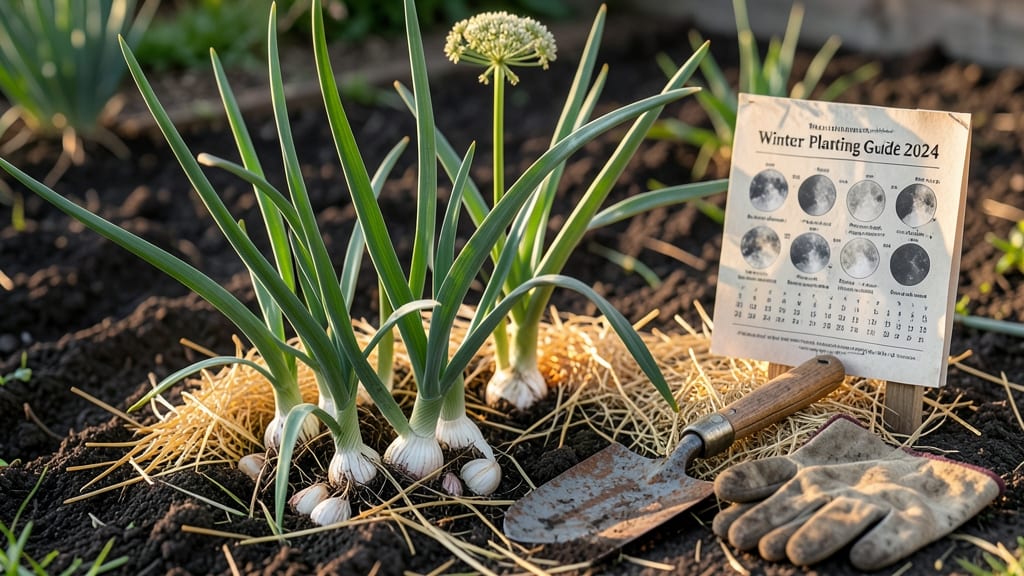
If you're wondering "when to plant garlic in Minnesota", timing is the secret weapon that separates a thriving harvest from a wasted effort—especially when hardneck and softneck varieties demand different approaches.
With Minnesota's 4a-5b climate, you only get a narrow window between late September and mid-October to plant before the ground freezes, making precision critical.
Most gardeners assume garlic is a one-size-fits-all crop, but that couldn't be further from the truth. Hardneck varieties, like 'Music' or 'German White', need to establish roots before winter dormancy, while softnecks like 'Silverskin' are more forgiving.
Skipping this distinction could mean lost bulbs or stunted growth by next summer.
Here's the good news: with the right strategy, you can double your success rate by aligning planting with soil temperatures and frost dates. I'll walk you through exactly how to time it—plus which varieties perform best in Minnesota's unpredictable winters. Let's get those cloves in the ground the right way.
From soil prep to frost-proofing, we'll cover every step to ensure your 🧄 garlic thrives through Minnesota's harsh winters and delivers a harvest in mid-July. Ready to turn your fall planting into next year's flavorful payoff?
Minnesota garlic planting timeline: hardneck vs softneck month-by-month
Planting garlic in Minnesota requires precision—especially when comparing hardneck and softneck varieties. Both thrive in Minnesota’s USDA Zones 3-5, but their planting windows differ. Hardneck varieties like ‘Music’ and ‘German White’ need a long cold period to form bulbs, while softneck types like ‘Silverskin’ are more flexible.
The key? Planting 4-6 weeks before the ground freezes—typically late September to mid-October for most of the state.
In northern Minnesota (Zones 3-4), where winters are harsher, aim for late September to ensure garlic establishes roots before frost. Southern regions (Zones 4b-5) can extend planting into early November, but avoid planting after October 15—this is when soil temps typically drop below 40°F, slowing root growth.
Spring planting is possible but risky in Minnesota. If you miss the fall window, plant in early spring (March-April), but expect smaller bulbs and lower yields.
The trade-off? Spring-planted garlic avoids winter heaving (when bulbs push up through frozen soil), but it lacks the cold stratification hardneck varieties need for optimal flavor.
🌱 Minnesota Garlic Planting Timeline Comparison
| Month | Hardneck Garlic | Softneck Garlic | Soil Temp | Notes |
|---|---|---|---|---|
| Late August | ❌ Avoid | ⚠️ Risky | 50-60°F | Soil too warm; may sprout before winter. |
| Late September | ✅ Ideal | ✅ Ideal | 40-50°F | Perfect balance: roots establish, but ground stays workable. |
| October | ✅ Best | ✅ Best | 35-45°F | Hardneck varieties get full cold stratification; softneck still thrives. |
| Early November | ⚠️ Late but OK | ✅ Still OK | 30-40°F | Northern MN: Risk of early frost; cover with mulch. |
| March-April | ❌ Poor Yield | ⚠️ Possible | 40-50°F | Spring-planted garlic lacks winter chill; bulbs won’t mature fully. |
🌡️ Pro Tip: Use a soil thermometer to confirm temps are below 50°F before planting—this prevents premature sprouting.
Minnesota’s first hard frost (typically October 15 in most regions) signals the end of the ideal planting window. If you’re in Zone 3 (northern MN), prioritize hardneck varieties—they handle colder winters better.
In Zone 5 (southern MN), you can push planting into early November, but mulch heavily to insulate bulbs.
Soil preparation is just as critical as timing. Work in 2-3 inches of compost or well-rotted manure before planting to improve drainage—Minnesota’s clay-heavy soils can suffocate garlic roots. Aim for a pH of 6.0-7.0; test your soil in early fall to adjust with lime or sulfur if needed.
After planting, cover beds with 4-6 inches of straw mulch to protect cloves from winter heaving and temperature swings. In Zone 4-5, this mulch layer also prevents soil from freezing too deeply, which can damage emerging roots in spring.
Remove mulch in early April to allow soil to warm for growth.
Harvest timing varies by variety, but most Minnesota-g
5 Critical factors that determine your Exact Planting Date in MN
Minnesota’s unpredictable weather can turn a perfect planting window into a muddy mess—or worse, frozen ground. To pinpoint your exact garlic planting date, focus on these 5 critical factors that adjust based on your location, variety, and soil conditions. Skipping any of these risks stunted growth or total crop failure.
First, check your last average frost date. Most of Minnesota falls in USDA Zones 3-5, where the last frost typically lands between October 15 and November 1.
Planting garlic 4-6 weeks before this date ensures roots establish before winter sets in. For example, in Zone 4 (central MN), aim for late September to mid-October.
Next, monitor soil temperature. Garlic cloves need soil at 40-50°F (4-10°C) to sprout successfully. Use a soil thermometer to confirm readiness—cold, wet soil delays germination. If temps drop below 32°F (0°C) before planting, cover beds with straw mulch to protect cloves.