
Plants
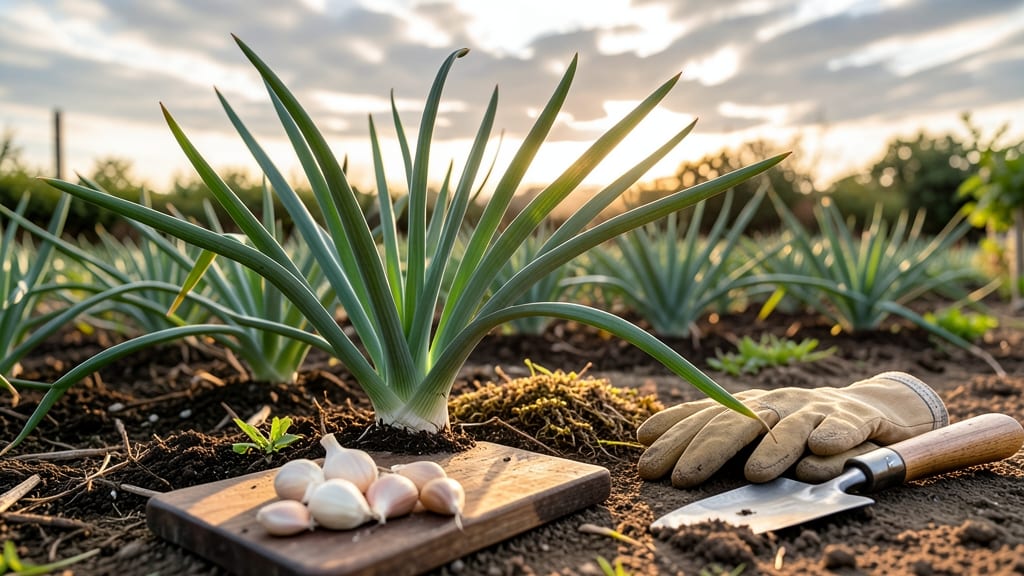
Optimal planting dates for NC garlic by moon phase
North Carolina’s three distinct climate zones—Coastal, Piedmont, and Mountains—each demand slightly different spring garlic planting windows.
For hardneck varieties (like 'Music' or 'German White'), aim for root moon phases (when the moon is below the horizon) to maximize bulb development. Softneck varieties (such as 'Silverskin') thrive under full moon phases for stronger stems.
The best time to plant garlic in NC spring falls between February 15 and March 15, aligning with soil temperatures of 40-50°F. This window ensures cloves sprout before the last spring frost (typically mid-April in most zones).
Coastal areas can start slightly earlier, while mountain regions should wait until late February to avoid frost damage.
For maximum bulb size, plant during a waxing gibbous moon (7 days before full moon) to boost root growth. Avoid planting during a waning crescent moon, as this phase can lead to weaker stems and smaller bulbs.
Local NC State Extension offices provide frost date forecasts—use these to fine-tune your timing.
🌱
| Climate Zone | Ideal Planting Window | Best Moon Phase | Soil Temp |
|---|---|---|---|
| Coastal (Zone 8a) | Feb 1 - Mar 10 | Waxing Gibbous | 45-50°F |
| Piedmont (Zone 7b) | Feb 15 - Mar 15 | Root Moon (Below Horizon) | 40-45°F |
| Mountains (Zone 6b) | Feb 28 - Apr 5 | Full Moon | 38-42°F |
🌿 Pro Tip: Test soil with a thermometer—garlic cloves won’t sprout below 35°F.
Hardneck varieties like 'Chesnok Red' or 'Inchelium Red' need cold stratification (40-50°F for 6-8 weeks) to form scapes. Plant these 2-3 weeks earlier than softnecks to ensure scapes appear by June. Softneck garlic, such as 'California Early', stores better long-term but requires warmer soil (50°F+) to thrive.
Use a moon phase calendar to pinpoint exact dates—aim for February’s waxing gibbous (ideal for Coastal NC) or March’s root moon (best for Piedmont). Mountain gardeners should wait until late March to avoid early spring frosts, which can kill young sprouts.
🌡️
To prepare your garden bed, amend soil with compost or aged manure (1 inch per square foot) and work in a balanced fertilizer (10-10-10) at planting. Well-draining soil is critical—garlic hates soggy roots.
In heavy clay soils (common in Piedmont), mix in sand or perlite to improve drainage. Test soil pH—garlic prefers 6.0-7.0.
After planting, mulch with straw or leaves (3-4 inches) to retain moisture and suppress weeds. This is especially important in dry Coastal NC springs, where evaporation rates can exceed 0.5 inches per week. Remove mulch in late spring to prevent fungal diseases like white rot.
💧
Optimal planting dates for NC garlic by moon phase
North Carolina’s three distinct climate zones—Coastal, Piedmont, and Mountains—each have unique last frost dates and moon phase windows for planting garlic. For spring planting, aim for February through early April, aligning with root moon phases (when the moon is waxing) to maximize bulb development.
Hardneck varieties like 'Music' or 'German Red' thrive in NC’s cooler Mountain region, while softneck varieties such as 'Silverskin' prefer the Piedmont’s milder springs. Coastal areas can plant slightly later due to warmer soil temperatures in early spring.
🌱
🌱 NC Garlic Planting Guide by Moon Phase & Zone
| Zone | Last Frost Date | Best Moon Phase | Planting Window | Ideal Variety |
|---|---|---|---|---|
| Coastal | March 15 - April 1 | Waxing Root (🌑) | Late Feb - Early April | Silverskin, Artichoke |
| Piedmont | March 1 - March 15 | Waxing Root (🌑) | Mid-Feb - Late March | Music, German White |
| Mountains | April 15 - May 1 | Waxing Root (🌑) | Early Feb - Early April | German Red, Rocambole |
💡 Pro Tip: Use a moon phase calendar to pinpoint waxing root phases—this is when garlic absorbs the most moisture for bulb growth.
For hardneck varieties, plant 4-6 weeks before your last frost date to ensure bulbs mature by July or August. In NC’s Mountain region, this often means planting as early as late January, while Coastal gardeners can wait until mid-February.
Soil temperature is critical—wait until the ground reaches at least 40°F (4°C) for 3-4 inches deep. Use a soil thermometer to check, especially in Piedmont’s unpredictable springs. Cold soil can stunt growth or cause rot.
🌿
Once planted, mulch with 2-3 inches of straw to retain moisture and regulate soil temperature. This is especially important in NC’s variable springs, where sudden temperature swings can stress young garlic plants.