
Plants
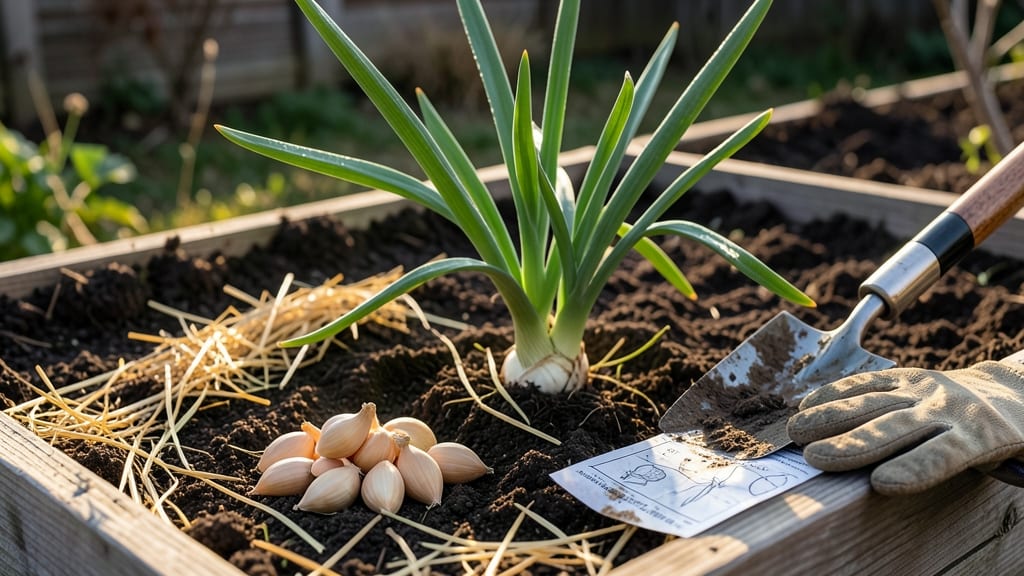
Planting garlic in North Dakota at the wrong time can mean the difference between a thriving crop and a frozen disappointment—but getting the timing right is easier than you think.
With its short growing season and brutal winters, Zone 4a presents unique challenges, but local gardeners know the perfect window for planting 🧄 that ensures bold, flavorful harvests by summer.
Most gardeners in North Dakota swear by fall planting, between mid-September and early October, when soil temperatures drop but before the ground freezes solid. This timing lets the cloves establish roots while benefiting from winter’s chill—a process called vernalization—that actually improves flavor.
Spring planting is riskier, but with the right adjustments, it can still work for impatient growers.
What sets North Dakota apart? Unlike milder climates, here you’re racing against frost dates that can sneak up fast. Too early, and your garlic rots; too late, and it never gets a chance to sprout.
I’ll break down the exact dates, soil prep secrets, and mulching tricks that protect your crop through Zone 4a’s harsh winters—so you can harvest plump bulbs by July without the guesswork.
Ready to grow garlic that outshines store-bought? Let’s dive into the climate-smart schedule that turns North Dakota’s challenges into your advantage—and how to avoid the three biggest mistakes that kill garlic crops here.
Optimal planting windows for North Dakota garlic (Zone 4 guide)
Garlic thrives in North Dakota’s Zone 4 climate, but the key to success lies in planting at the perfect time. Unlike warmer regions, ND gardeners must focus on fall planting—the only reliable method for robust bulbs.
Spring planting is possible but risky, with lower yields and inconsistent results due to our short growing season.
The ideal window spans from mid-September to early October, giving garlic roots time to establish before winter. This timing aligns with soil temperatures dropping below 50°F (10°C), signaling dormancy. Planting too late risks shallow root growth, while early planting exposes cloves to frost before they acclimate.
North Dakota’s first frost date typically arrives around September 15, but this varies yearly. Aim to plant 4-6 weeks before the ground freezes solid. For example, in Fargo (Zone 3b/4a), this means planting by October 1, while Dickinson (Zone 4a) may extend the window slightly later.
Spring planting is a secondary option for ND gardeners, but it requires precise timing. Plant as early as March (when soil reaches 40°F/4°C) to maximize the 100-day growing season. However, this method often yields smaller bulbs and is best for green garlic harvests rather than full-sized bulbs.
Soil temperature is the critical factor—garlic needs 40-50°F (4-10°C) soil to root properly. Use a soil thermometer to monitor conditions. If temperatures drop below 32°F (0°C) before roots establish, cloves may rot or fail to sprout.
| Planting Method | Optimal Window | Soil Temp Requirement | Yield Potential | ND Risk Factors |
|---|---|---|---|---|
| Fall Planting | Mid-September to early October | 40-50°F (4-10°C) | High (large bulbs) | Late frost before rooting |
| Spring Planting | Early March (soil at 40°F) | 40-50°F (4-10°C) | Low (small bulbs) | Short growing season |
| Late Fall Planting | After October 15 | <32°F (0°C) | None (cloves rot) | Frost kills unrooted cloves |
For fall planting, prioritize hardneck varieties like 'German White' or 'Chef', which handle ND’s winters better than softneck types. Break bulbs into individual cloves, plant the pointy end up, and space them 6 inches apart in rows 12 inches apart for airflow.
Mulching is non-negotiable in ND. Apply 6-8 inches of straw or leaves after planting to insulate soil and prevent heaving during freeze-thaw cycles. Remove mulch in early spring (March) to allow soil warming and shoot emergence.
Spring-planted garlic benefits from row covers to extend the season. Install covers by late April to protect against late frosts, which can delay growth. Monitor plants closely—ND’s last frost date (May 15) signals the final window for spring planting adjustments.
Remember: Garlic planted in fall overwinters, using cold temperatures to vernalize (a process that triggers bulb formation). This natural cycle ensures larger, more flavorful harvests. Spring-planted garlic skips this step, resulting in smaller, milder bulbs that may not store well.
🌱
Optimal planting windows for North Dakota garlic (Zone 4 guide)
Garlic thrives in North Dakota's Zone 4 climate when planted at the right time—typically 4-6 weeks before the ground freezes. For most of the state, this means mid-September to early October, aligning with soil temperatures dropping below 50°F (10°C).
This timing ensures strong root development before winter dormancy.
Spring planting is riskier in Zone 4 but can work if you plant as early as late March, once soil temperatures reach 40°F (4°C). However, garlic planted in spring often yields smaller bulbs due to the shorter growing season and potential late frosts.
Here’s how to match your region’s frost dates to the perfect planting window:
| Planting Window | Soil Temp Threshold | Frost Risk | Best Varieties |
|---|---|---|---|
| Mid-September to early October | Below 50°F (10°C) | Low (ground freezes in Nov) | ‘German White’, ‘Silverskin’, ‘Artichoke’ |
| Late March (spring) | 40°F (4°C) | High (late frosts possible) | ‘Creole’, ‘Music’ (faster-maturing) |
For fall planting, aim to finish by October 15 to avoid heaving (bulbs pushing out of frozen soil). Use a soil thermometer to confirm temperatures are dropping—garlic roots need consistent cold to form bulbs properly.
If you miss the fall window, don’t despair! Spring planting can still work if you choose hardier varieties and protect young plants with row covers during unexpected frosts. Just be prepared for smaller yields compared to fall-planted garlic.
Pro tip: Mark your calendar for September 15, the average first frost date in North Dakota. Planting 4-6 weeks before this date gives garlic enough time to establish before winter sets in.