
Plants
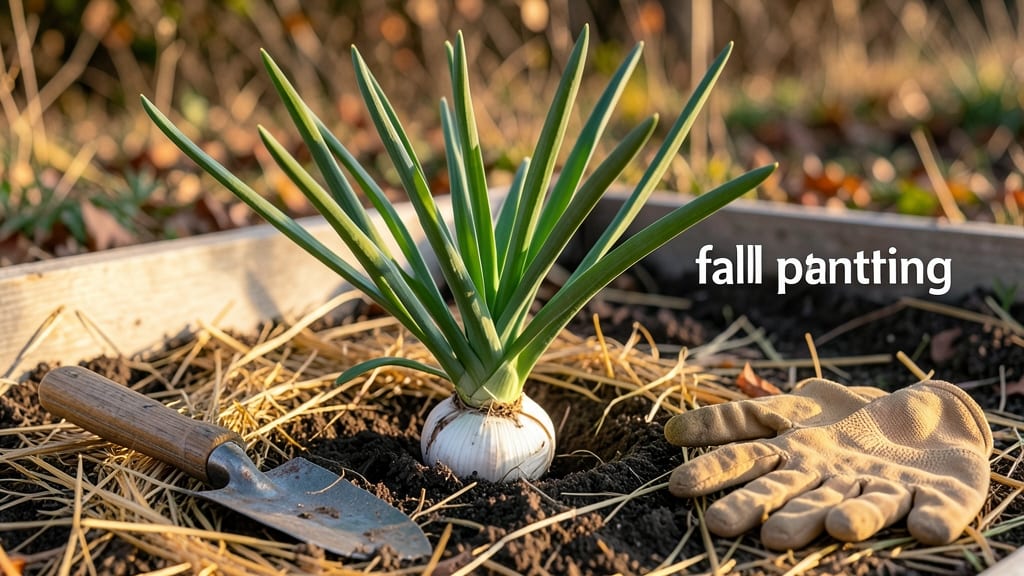
Timing your garlic planting in Upstate NY isn't just about picking a season—it's about unlocking the secret to hardy, flavorful bulbs that thrive through your region's cold winters and warm summers.
With zones 5b-6b, you've got a narrow window where the ground stays workable but the first frost hasn't yet arrived, making late September to early October the sweet spot for planting 🧄.
Why does this matter? Because Upstate NY's unpredictable microclimates mean a few weeks can make all the difference between a bumper crop and wasted cloves. Too early, and your garlic might rot before winter; too late, and it won't establish strong roots before the ground freezes.
I'll show you how to read your local frost dates and adjust your planting schedule like a pro.
You'll also discover why fall planting is the gold standard for Upstate NY—how it leverages winter's chill to develop bigger bulbs, and which varieties hold up best in your zone.
Plus, I'll share my top tips for soil prep that ensures your garlic gets off to the right start, even if your garden soil is heavy or rocky.
Ready to grow garlic that's the envy of every farmer's market? Let's dive into the exact steps and timing that'll have you harvesting plump, flavorful bulbs from late June to mid-July—just in time for your summer recipes.
Upstate NY garlic planting calendar: exact dates by hardiness Zone 5-6
Garlic thrives in Upstate NY’s hardiness zones 5-6, but planting too early or late can ruin your crop. The ideal window is late September through early October, when soil temps drop below 60°F but before hard frost hits. This timing ensures cloves establish roots before winter dormancy begins.
Upstate NY’s first killing frost typically arrives in mid-October, so aim to plant 4-6 weeks before that date. For example, in Albany (Zone 5b), plant between October 1-15, while Syracuse (Zone 6a) can extend planting until mid-November in milder microclimates.
Soil temperature is critical—garlic roots grow best when soil is 40-50°F. Use a soil thermometer to confirm readiness. If temps stay above 60°F, cloves may sprout too soon and rot before winter.
For spring planting, the window is narrower: late March to early April, once soil thaws but before active growth resumes. Spring garlic bulbs are smaller and milder than fall-planted varieties, but it’s a backup option for missed fall deadlines.
Upstate NY’s microclimates matter—valleys freeze earlier than hilltops. Adjust planting dates by 1-2 weeks based on your elevation. For example, Adirondack regions (Zone 5a) should plant 2 weeks earlier than Lake Erie shores (Zone 6b).
🌱Pro Tip: Check your local USDA frost map or use the Old Farmer’s Almanac for hyper-local adjustments. Even a 1-week delay can reduce bulb size by 30%.
📅 Upstate NY Garlic Planting Timeline
| Zone 5b (Albany, Utica) | Zone 6a (Syracuse, Rochester) | Soil Prep | Action |
|---|---|---|---|
| Late Sept–Oct 1 | Late Sept–Oct 15 | Test pH (6.0–7.0) | Plant cloves 4" deep, 6" apart |
| Oct 15–Nov 1 | Oct 15–Nov 15 | Add compost | Mulch with 4" straw |
| Late March–Early April | Late March–Early April | Avoid wet soil | Spring planting (smaller bulbs) |
| June–July (next year) | June–July (next year) | Dry soil for 2 days | Harvest when lower leaves brown |
Upstate NY’s rocky soil can delay planting—amend beds with compost or sand to improve drainage. Heavy clay soils (common in Western NY) should be loosened 8–10 inches deep to prevent waterlogging.
🌡️Key Alert: If your area experiences early frosts (before October), opt for hardneck varieties like ‘German White’ or ‘Music’, which tolerate colder soils better than softnecks.
Spring-planted garlic in Upstate NY rarely matches fall-planted yields, but it’s viable if you miss the fall window. Use smaller cloves (like ‘Silverskin’) for spring, as they establish faster in cooler soils.
📌Final Tip: Mark your calendar for June 21–July 15—this is when Upstate NY garlic reaches peak harvest readiness. Miss this window, and bulbs may split or rot in the heat.
How to choose between fall vs. spring garlic planting in Upstate NY
Upstate NY’s hardiness zones 5-6 create a unique challenge for garlic growers—you can plant in fall or spring, but each method yields different results.
Most gardeners prefer fall planting because it mimics garlic’s natural growth cycle, but spring planting can work in milder microclimates like the Hudson Valley or Lake Erie regions.
Fall-planted garlic benefits from cold stratification, which hardens the cloves and produces larger bulbs. Spring planting, however, gives you more flexibility if you miss the fall window or live in a warmer microclimate like Albany or Rochester. The trade-off? Spring garlic often produces smaller bulbs with milder flavors.
Here’s how to decide which method works best for your Upstate NY garden:
Fall Planting (Recommended)
- Larger bulbs (ideal for hardneck varieties)
- Better flavor development over winter
- Established roots handle Upstate NY winters better
- Requires precise timing (miss the window, and cloves rot)
- Limited to October planting in most of Upstate NY
Spring Planting (Alternative)
- Flexible timing (plant in April-May)
- Good for softneck varieties (milder flavor)
- Works in warmer microclimates (e.g., near Lake Ontario)
- Smaller bulbs (often 50% smaller than fall-planted)
- Higher risk of bolting (flowering) in hot summers
- Less cold-hardy (may struggle in zone 5)
For Upstate NY’s climate, I recommend sticking with fall planting unless you’re in a protected microclimate (like a south-facing slope). If you choose spring planting, opt for softneck varieties like ‘Silverskin’ or ‘Artichoke’, which tolerate warmer conditions better than hardnecks.
Pro tip: If you’re unsure about your local frost dates, check the National Weather Service’s Upstate NY forecasts or use a soil thermometer to confirm when temps drop below 40°F—this signals it’s time to plant. For most of Upstate NY, that’s late September to early October.
🌱