
Plants
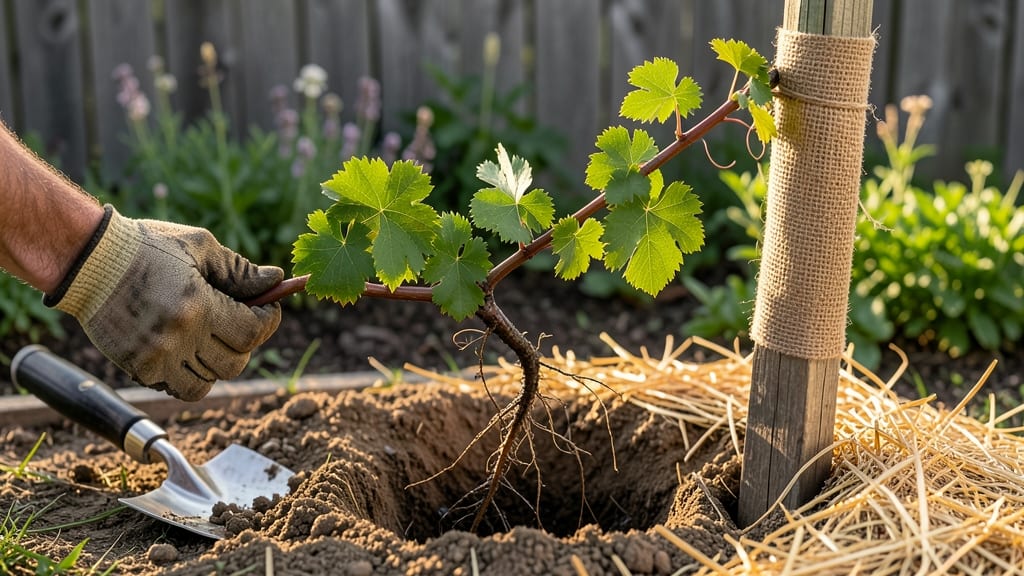
Planting grapes in Alabama 🍇 at the wrong time can turn your dream vineyard into a sad, frost-nipped experiment—but getting the timing right means juicy harvests for years to come.
The key isn't just avoiding frost; it's waiting for soil warmth to trigger those roots into action, typically between late February and early April, depending on your county.
Why does this matter? Alabama's 7b-8b climate zones create huge differences between North Alabama's chilly valleys and the Gulf Coast's balmy early springs. A vine planted too early in Huntsville might rot in cold soil, while one delayed in Mobile could miss its growth window entirely.
I'll break down the exact frost-free deadlines and soil temperature triggers you need to know.
You might think all grapes are created equal, but muscadines and vinifera varieties have different patience levels for waiting on warm soil. Plus, container growers have a slightly different playbook than those digging in-ground trenches.
Let's dive into the most critical factors—so you can plant with confidence and watch those vines thrive.
From testing soil warmth with a simple meat thermometer to choosing cold-hardy varieties like 'Norton,' I'll share the pro tips Alabama Extension Service recommends.
Whether you're in the Wiregrass region or the Appalachian foothills, you'll leave here knowing exactly when to get those bare-root vines in the ground for maximum success.
Alabama’s frost-free deadlines by county for planting grapes
Alabama’s diverse microclimates mean your grapes planting window can vary by 100+ days depending on your county. The last average frost date is your starting point, but grapes need 30–45 days of frost-free soil to establish roots before active growth.
North Alabama’s USDA Zone 7b counts often face mid-April deadlines, while Gulf Coast areas in Zone 8b can plant as early as late February.
For bare-root vines, aim to plant 2–4 weeks after your county’s last frost. Container-grown grapes offer a 2-week extension since they’re less frost-sensitive. Always check the Alabama Extension’s frost map for real-time updates, as microclimates near rivers or valleys can shift deadlines by 1–2 weeks.
🌱
| Region | Last Avg. Frost | Safe Planting Window | USDA Zone | Notes |
|---|---|---|---|---|
| North Alabama (Huntsville, Decatur) | Mid-April | Late April–Early May | 7b | Cold-hardy varieties like Norton thrive here. |
| Central Alabama (Birmingham, Montgomery) | Early April | Late March–Early April | 8a | Sandy soils need extra mulch. |
| South Alabama (Mobile, Dothan) | Late February | Early March–Mid-April | 8b | Humidity increases fungal risks; prune early. |
| Gulf Coast (Pensacola, Gulf Shores) | Early February | Late February–Early March | 9a | Heat-tolerant varieties like Muscadines excel. |
Use these deadlines as guidelines, but verify with local data. For example, Madison County (Huntsville) averages April 15 for last frost, but Limestone County (Athens) can be 7 days earlier due to its valley location. Always monitor soil temperature—grapes won’t thrive if planted in cold, damp soil.
If you’re in Zone 7b and see unseasonably warm spells in March, resist the urge to plant early. Grapes planted too soon in chilly soil risk root rot or stunted growth. Instead, use row covers or cold frames to protect young vines if you’re eager to get started.
🌡️
For container planting, you gain flexibility. Containers warm up 2–3°F faster than in-ground soil, letting you plant 1–2 weeks earlier in cooler regions. Just ensure your pot has drainage holes and use a lightweight, well-draining mix like 60% potting soil and 40% perlite.
Pro tip: Mark your planting date on a calendar and set reminders for pruning (February) and harvest (August–October). Alabama’s long growing season (210 frost-free days) rewards patience—Norton grapes can take 150 days to mature, while Muscadines may need 180 days.
🍇
Soil temperature triggers: when to plant grapes in Alabama’s microclimates
Alabama’s soil temperature is the real game-changer for grape planting success—more critical than calendar dates. Grapes need 50°F soil for roots to establish and 60°F+ for active sprouting.
In North Alabama (USDA Zone 7b), this often means waiting until late March or early April, while South Alabama (Zone 8a/8b) can start as early as mid-February. Urban areas like Birmingham may face warmer microclimates due to pavement heat retention, while rural Wiregrass regions stay cooler longer.
Testing soil temperature is easier than you think. Grab a meat thermometer or digital soil probe and check 4–6 inches deep—this mimics root zone conditions. Morning is best since afternoon sun can skew readings.
If your soil hits 50°F consistently for 3–5 days, it’s time to plant. Pro tip: Mulch heavily (straw or wood chips) to retain warmth and moisture once planted.
Here’s how elevation throws a wrench into timing: The Appalachian foothills (e.g., Huntsville) may not reach planting temps until April 15, while the Black Belt (e.g., Montgomery) could be ready by February 28.
Even within 10 miles, soil temps can vary by 2–3 weeks. Use the Alabama Extension’s soil temperature map (linked in resources) to cross-check your local conditions.