
Plants
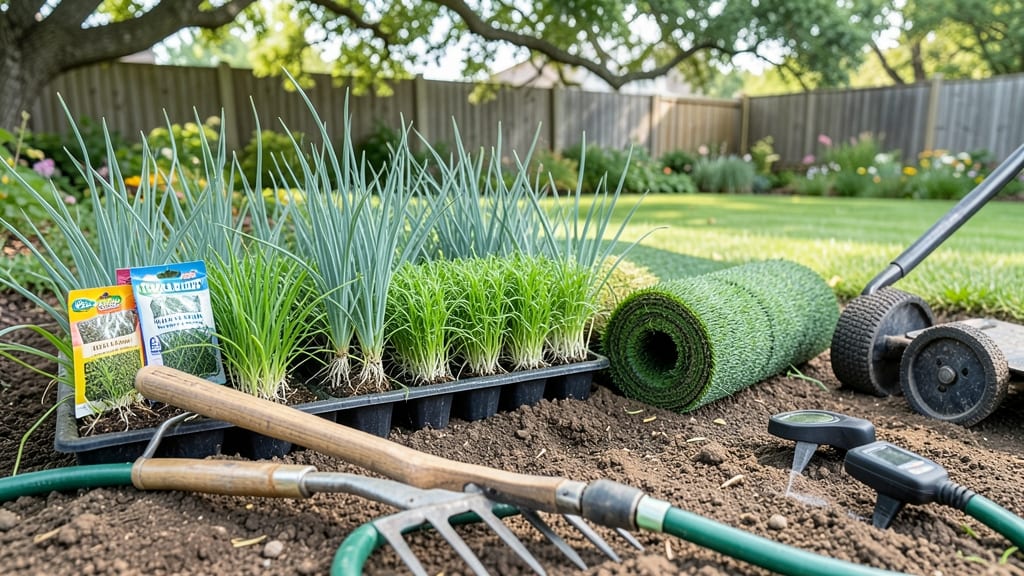
Timing your 🌱 grass planting in Maryland wrong could mean struggling with weak roots, patchy growth, or even wasted seed—especially when unpredictable spring showers or early heatwaves throw off your plans.
Maryland’s USDA Zones 6a-8a offer two prime windows, but missing the 4-6 week buffer before last frost (around March 15) or the 6-8 week lead-up to first frost (November 15) can derail your lawn’s success.
If you’ve ever stared at a seed packet wondering, “Is now the right time?” you’re not alone. The key isn’t just picking a month—it’s reading Maryland’s climate cues, like soil temperatures hitting 55°F or avoiding the drought-prone summer slump.
I’ll break down the exact deadlines for cool-season grasses (like Kentucky Bluegrass) and warm-season types (like Bermuda), so you can plant with confidence.
What you’ll discover here are the zone-specific rules that separate a lush, year-round lawn from a high-maintenance headache. We’ll cover soil prep tricks, seed selection hacks, and how coastal vs. inland Maryland weather plays a role—because a perfect timing strategy in Annapolis might flop in Hagerstown.
Ready to stop guessing and start growing? Let’s dive into the best planting windows for your Maryland lawn, so you can enjoy that first mow of the season without second-guessing your timing.
Maryland grass planting deadlines by USDA zone (2024 guide)
Maryland spans USDA Zones 6b-7b, where timing your grass planting can mean the difference between a lush lawn and a patchy disaster. Cool-season grasses like Kentucky Bluegrass and Tall Fescue thrive when planted in early spring or early fall, while warm-season varieties like Bermuda need late summer starts.
Missing these windows means battling heat stress or late frosts.
The key to success is soil temperature—cool-season grasses need 50-60°F soil, while warm-season grasses require 65-75°F. Maryland’s coastal areas (Zone 7b) can plant 2-3 weeks earlier than inland regions (Zone 6b), thanks to milder microclimates.
Always check local frost dates—March 15 is Maryland’s average last frost, but inland areas can see frost into April.
Here’s your zone-specific planting timeline to avoid common pitfalls like seed washout or heat shock:
| USDA Zone | Cool-Season Planting Window | Warm-Season Planting Window | Soil Temp Threshold | Key Risk |
|---|---|---|---|---|
| 6b (Inland) | March 15–April 15 | August 1–September 1 | 50–60°F | Late frost |
| 7a (Central) | March 1–April 1 | July 15–August 15 | 55–65°F | Heat stress |
| 7b (Coastal) | February 28–March 31 | June 15–July 31 | 60–70°F | Humidity |
🌱 Pro Tip: Use a soil thermometer to confirm temperatures before planting.
For cool-season grasses, aim to plant 4-6 weeks before your area’s last frost date. This gives seeds time to germinate and establish roots before summer heat arrives. In Maryland, this typically means mid-March to mid-April for most regions, but coastal areas can start as early as late February.
Warm-season grasses like Bermuda and Zoysia should be planted in late summer (August–September) when soil temperatures are ideal. Planting too early risks fungal diseases from lingering moisture, while late planting leaves grass vulnerable to fall frosts.
Maryland’s first frost usually hits around November 15, so warm-season grasses need 6-8 weeks to establish before then.
One common mistake is assuming all grass types thrive in the same window. Kentucky Bluegrass, for example, needs cool soil and will struggle if planted after May 1.
Meanwhile, Tall Fescue is more flexible and can handle late spring plantings if soil stays moist. Always match your grass type to Maryland’s two distinct growing seasons.
Soil preparation is just as critical as timing. Test your soil’s pH (ideal: 6.0–7.0) and amend with compost or lime if needed. Maryland’s clay-heavy soils benefit from gypsum to improve drainage.
Rake the area to a ¼-inch depth for seeds or 3–4 inches for sod, then water lightly to settle the soil before planting.
After planting, consistent moisture is key. Cool-season grasses need 1 inch of water weekly for the first 2 weeks, while warm-season grasses should receive ½ inch daily until germination.
Avoid overhead watering to prevent disease spread—use a soaker hose instead. Mulch with straw (not wood chips) to retain moisture and protect seeds from bird foraging.
Remember: Maryland’s unpredictable weather means flexibility is key. If a late frost threatens, cover new seedlings with frost cloth. For warm-season grasses, delay planting if soil temps spike above 85°F. Always monitor local forecasts and adjust your timeline accordingly.
How to time grass planting for Maryland’s unpredictable weather patterns
Maryland’s spring frost risks and summer heatwaves can derail even the best-laid grass planting plans. I’ve learned the hard way—planting too early means frost damage, while waiting too long risks drought stress. The key is soil temperature and weather forecasting, not just calendar dates. Timing matters most in USDA Zones 6b-7b, where late frosts can linger until mid-April in northern Maryland. Southern regions like Calvert County may escape frost earlier, but heatwaves in July can bake newly planted seeds. Here’s how to outsmart Maryland’s weather quirks.Planting in May: Soil temps often exceed 75°F, shocking cool-season grasses like Kentucky Bluegrass.
Skipping soil tests: Maryland’s clay-heavy soils in western regions need sand amendments for proper drainage.
Ignoring rain forecasts: Planting before a 3-day downpour risks seed erosion and fungal growth.
Pro tip: Use slow-release fertilizer at planting to avoid nitrogen burn during Maryland’s humid summers. And if you’re in Baltimore City, account for urban heat islands—your lawn may need extra water in July.
🌱