
Plants
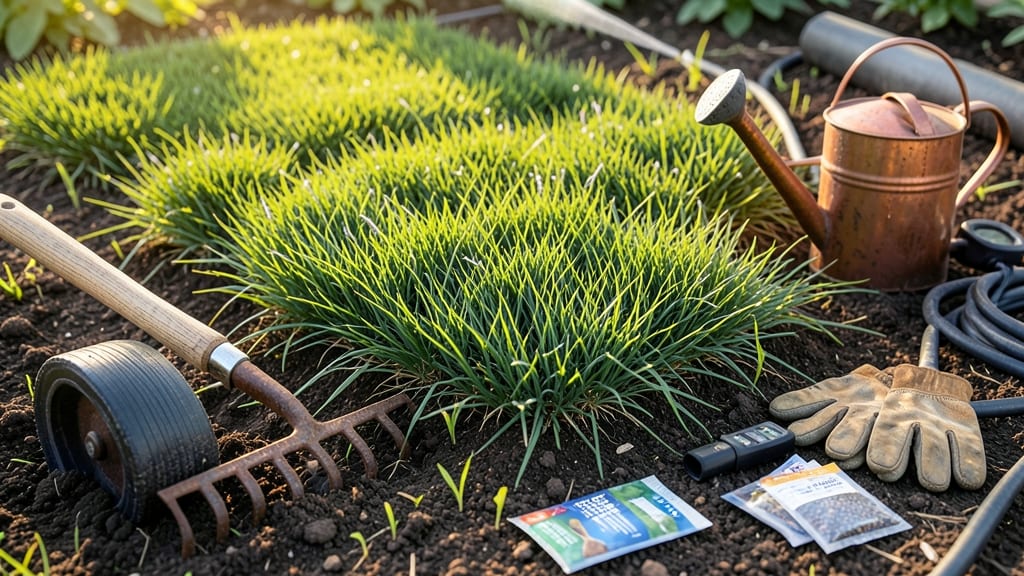
Planting grass in Massachusetts spring isn't just about grabbing seed and tossing it out—timing it right can make or break your lush lawn dreams. With USDA Zone 6a frost dates looming, knowing exactly when to start is the key to avoiding frost damage and giving your 🌱 a fighting chance.
Most gardeners in Massachusetts wait until mid-April when soil temperatures consistently hit 40°F or warmer, but that’s not a one-size-fits-all rule. Coastal areas like Cape Cod warm up faster than inland spots, so local microclimates play a huge role in your planting window.
You’ll also want to test your soil—cool, damp conditions can delay germination, while rushing too early might leave your seed vulnerable to late frosts. I’ll walk you through the best strategies to time it perfectly, whether you’re overseeding an existing lawn or starting fresh.
Ready to skip the guesswork? Let’s break down the ideal frost-free window by zone, soil prep tips, and the best grass varieties for your Massachusetts climate.
Massachusetts spring planting zones: frost-free dates by region
Planting grass in Massachusetts spring requires precision—timing your seeds or sod 4-6 weeks before the last frost ensures strong root establishment before summer heat arrives. The state spans USDA Zones 5-7, meaning frost-free dates vary dramatically from the colder inland valleys to the warmer coastal regions.
For example, Boston’s last frost typically lands around April 15th, while Worcester may see frost lingering until May 1st. Understanding these regional differences helps you avoid planting too early (risking frost damage) or too late (missing optimal germination windows).
Microclimates within Massachusetts further complicate timing. Cape Cod and the Islands often enjoy earlier frost-free conditions (as early as March 30th in some areas), while the Berkshires and western MA can experience late frosts well into May.
Local weather patterns—like lake-effect snow from nearby reservoirs—can also delay spring planting. Checking 10-year frost data from the National Weather Service or Massachusetts Climate Office ensures you’re planting at the safest window for your specific location.
| Region | USDA Zone | Avg. Last Frost | Best Planting Window | Notes |
|---|---|---|---|---|
| Boston/Cape Cod | 6b-7a | March 30 – April 15 | March 15 – April 1 | Warmer coastal climate; earlier planting possible |
| Worcester/Metro West | 6a | April 15 – May 1 | April 1 – April 15 | Inland valleys; watch for late frosts |
| Springfield/Pittsfield | 5b-6a | May 1 – May 15 | April 15 – May 1 | Higher elevation; cooler soils delay planting |
| Western MA (Berkshires) | 5a-5b | May 15 – June 1 | May 1 – May 15 | Coldest zone; plant only after soil warms |
For gardeners in Zone 6a (most of central MA), aim to plant cool-season grasses like Kentucky bluegrass or tall fescue between March 20th and April 15th. This window balances the need for soil temperatures above 40°F (critical for germination) with the risk of late spring frosts.
Use a soil thermometer to confirm temperatures—if your soil is still below 50°F, delay planting until conditions improve. Pro tip: Seed packets often include frost-free date maps—pair these with local data for the most accurate timing.
If you’re planting sod instead of seed, the timeline shifts slightly. Sod establishes faster, so you can plant 2-3 weeks closer to the last frost date (e.g., April 15th–May 1st in Zone 6a).
However, sod requires consistent moisture during root establishment—plan for weekly deep watering (1 inch per week) to prevent drying. For both seeds and sod, late April is the safest bet in most of Massachusetts, offering a buffer against unpredictable spring weather.
Don’t overlook overseeding for existing lawns—a great way to fill thin patches. In Massachusetts, late summer (August–September) is ideal for overseeding, but if you missed that window, early spring (March–April) is your next best chance.
Use a high-quality cool-season blend and keep the soil consistently moist for 4–6 weeks to encourage new growth. Just remember: overseeding too early risks frost damage, while planting too late may leave your lawn vulnerable to summer weeds.
For those in warmer microclimates (e.g., coastal areas), consider warm-season grasses like zoysia or buffalo grass if you’re planting in late spring (May–June). These grasses thrive in hotter conditions and can handle drought better than cool-season types.
However, they won’t establish as quickly, so plan for year-round maintenance if you switch varieties. Always test your soil pH (6.0–7.0 ideal) and amend with compost or lime if needed—healthy soil is the foundation of a great lawn.
Track your local frost dates using tools like the Old Farmer’s Almanac or Massachusetts Extension Service for real-time updates. Set a reminder 6 weeks before your region’s last frost to prep your soil, test moisture levels, and order seeds.
Proactive planning ensures your grass gets the 6–8 weeks of frost-free growth it needs to establish a disease-resistant, weed-competitive lawn by summer.
Finally, account for unpredictable weather. Massachusetts springs can swing from 50°F sunny days to 30°F frost within weeks. Use row covers or light mulch to protect young seedlings if a late frost is forecasted. With the right timing and preparation, your spring-planted grass will outcompete weeds and
Ideal soil temperature for grass seed germination in new england
Grass seed won’t germinate properly if your Massachusetts soil is too cold—aim for a consistent 40°F–65°F range for optimal sprouting. In Zone 5-6, this typically means waiting until late April in inland areas or early May near the coast.
Cooler soil slows germination, while soil above 70°F can cause seeds to dry out before sprouting.
Use a soil thermometer ($10 at garden centers) to check temperatures at 4-inch depth—this is where seeds will be planted. Morning is the best time to test, as soil cools overnight. If temperatures fluctuate wildly, consider using row covers or straw mulch to stabilize warmth and moisture.
For cool-season grasses like Kentucky bluegrass or fescue, germination speeds up in 55°F–65°F soil. Warm-season varieties like zoysia grass prefer 65°F–75°F, making them better suited for late spring or early summer planting. Always match your seed type to the soil conditions you’re working with.
Soil Temp Rating for Grass Germination
If your soil is still too cold in early spring, don’t rush planting. Instead, prepare your soil by removing debris, tilling lightly, and adding compost or peat moss to improve drainage.
For fast-track germination, use a seed starter mat ($20–$30) under row covers to raise soil temperatures by 5°F–10°F.
Once seeds sprout, maintain even moisture by watering lightly twice daily (morning and evening) until grass reaches 3 inches tall. Avoid heavy watering, which can dislodge seeds. In drought-prone areas like western MA, consider drought-resistant varieties like tall fescue or fine fescue for better establishment.
Remember: Patience pays off. Waiting for the right soil temperature ensures your grass grows stronger roots and better drought resistance from day one. Skipping this step often leads to patchy growth or weed competition later in the season.