
Plants
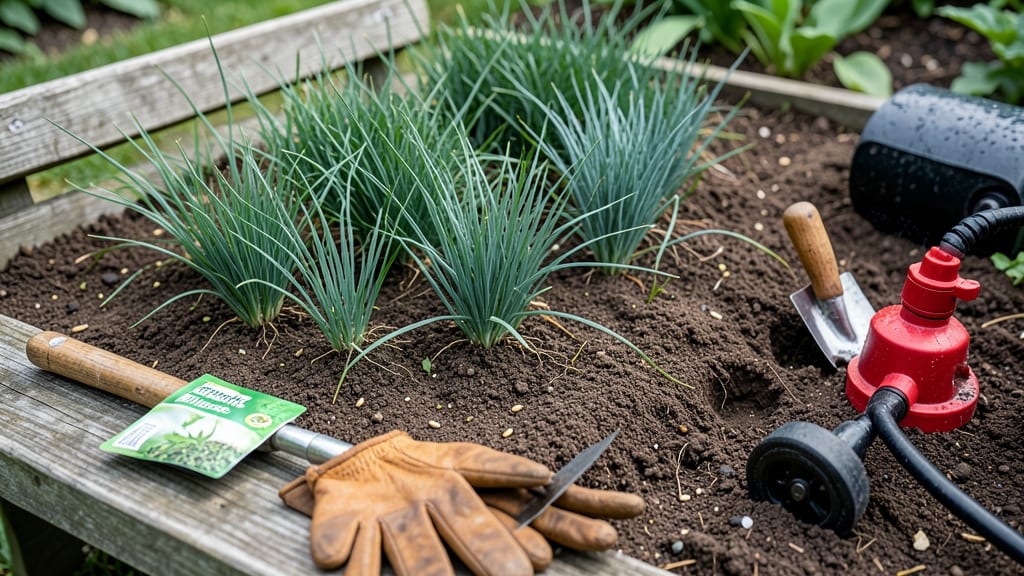
Planting grass in Ohio’s spring can feel like a high-stakes guessing game—get the timing wrong, and you’re staring at a patchy, frost-bitten lawn for months.
The key to success lies in understanding your region’s last frost date (usually around April 15 in USDA Zone 6a) and soil temperatures that hit 55°F consistently.
Ohio’s variable climate means cool-season grasses like Kentucky bluegrass thrive when planted in early spring, while warm-season varieties like Bermuda grass wait for late May. But here’s the catch: rushing too early risks frost damage, while waiting too long can leave your lawn vulnerable to weeds.
I’ll break down the exact window for your Ohio yard, plus soil prep secrets to ensure your 🌱 sprouts strong.
You’ll also discover which native grass types perform best in Ohio’s spring conditions and how to adjust for your specific microclimate—whether you’re in urban Columbus or rural Appalachia. Let’s turn your spring planting from a gamble into a guaranteed green victory.
Ready to skip the trial-and-error? I’ll walk you through the critical factors that separate a lush lawn from a bare yard, including when to fertilize and how much water your new grass really needs. Your perfect Ohio lawn starts here.
Ohio spring planting timeline: exact dates for cool-season vs warm-season grass
Ohio’s spring weather is famously unpredictable, with last frost dates varying by 10-14 days between northern and southern regions. For cool-season grasses like Kentucky bluegrass and tall fescue, timing is everything—plant too early, and frost will kill tender sprouts.
Too late, and summer heat stresses new growth. Here’s the exact window for Ohio’s two distinct grass types.
Most of Ohio falls in USDA Zones 5b-7a, meaning soil temperatures must reach 50-55°F (10-13°C) for cool-season grass seeds to germinate. Warm-season grasses like Bermuda or Zoysia, meanwhile, need 65°F (18°C) soil temps and wait until late May or June. Let’s break down the 2024-2025 planting projections by region.
| Region | Last Frost Date (Avg.) | Ideal Planting Window | Soil Temp Threshold | Grass Type |
|---|---|---|---|---|
| North Ohio (Toledo, Cleveland) | April 15 | April 15–May 10 | 50–55°F (10–13°C) | Cool-season (Kentucky Bluegrass, Tall Fescue) |
| Central Ohio (Columbus, Dayton) | April 5 | April 1–May 15 | 50–55°F (10–13°C) | Cool-season (Tall Fescue, Perennial Ryegrass) |
| South Ohio (Cincinnati, Lexington) | March 25 | March 20–April 30 | 50–55°F (10–13°C) | Cool-season (Fine Fescue, Annual Ryegrass) |
| All Regions | Late May–June | After June 10 | 65°F+ (18°C+) | Warm-season (Bermuda, Zoysia) |
🌡️ Pro Tip: Use a soil thermometer to confirm temps before planting—don’t rely on air temperature alone!
For cool-season grasses, aim to plant 4-6 weeks before your region’s first consistent warm spell. In Ohio, this typically means early April in the south and mid-April in the north.
If you’re unsure, err on the later side—new grass can handle light frost once established but won’t survive deep freezes.
Warm-season grasses, like Bermuda or Zoysia, thrive in Ohio’s summer heat but struggle in cool weather. Plant these after Memorial Day (late May) when soil temps consistently stay above 65°F (18°C). Early planting risks stunted growth from spring’s lingering chill.
Ohio’s microclimates add another layer of complexity. Urban areas like Columbus often warm up 1-2 weeks faster than rural zones due to heat island effect. Check local agricultural extension reports or use Almanac’s frost calculator for hyper-localized advice.
One critical mistake Ohio gardeners make? Planting cool-season grass in June. By then, summer heat causes seeds to dry out before germinating. If you miss the spring window, wait until early fall (September) for a second chance—just ensure 6-8 weeks remain before frost.
Always test your soil 2-3 days before planting. If it’s too wet or compacted, delay until conditions improve. A moisture meter or the "squeeze test" (damp but not soggy) works perfectly.
5 Critical factors that determine your Ohio grass planting success (beyond just dates)
Ohio’s spring weather throws curveballs—last-minute frosts, unpredictable rain, and shifting soil temps can turn your perfect planting plan into a disaster. While timing matters, 5 key factors beyond dates will decide whether your grass thrives or struggles. Let’s break them down so you can plant with confidence, not guesswork. Soil moisture is your first battleground. Dry soil means seeds won’t germinate, while overly wet soil suffocates roots. Test your soil’s moisture by grabbing a handful—if it crumbles easily, it’s ready. If it sticks together like clay, wait a few days or water lightly before planting. Ohio’s spring showers can make this tricky, so monitor forecasts and adjust your schedule accordingly.🌱
Next, consider your local microclimate. Urban areas like Columbus or Cincinnati often warm up faster than rural spots in Appalachian Ohio, thanks to the "heat island" effect. Check your neighborhood’s last frost date—it might differ by 1-2 weeks from official averages. If you’re in a frost-prone valley, delay planting until you’ve seen consistent 55°F soil temps for a week. A simple soil thermometer (just $10) saves weeks of frustration.☀️
Your grass seed type changes everything. Cool-season grasses like Kentucky bluegrass and tall fescue love Ohio’s springs—they germinate at 35-55°F and handle light frosts. But warm-season grasses like Bermuda or Zoysia need soil temps above 65°F to sprout. Planting the wrong type too early? You’ll waste seed and money. For Ohio, stick with cool-season blends in early spring and save warm-season for late May or June.🌡️
Don’t ignore rainfall forecasts. Ohio’s spring can swing from drought to downpours in a week. If your local weather service predicts less than 1 inch of rain for 10 days post-planting, plan to water manually. Use a rain gauge (or a tuna can buried in your yard) to track moisture—aim for 1 inch per week, including rainfall. Without this, your new grass will dry out and die before it establishes roots.🌧️
Finally, soil prep sets the foundation. Ohio’s clay-heavy soil needs amendments like compost or peat moss to improve drainage. Skip this step, and your grass will struggle with compaction and poor root growth. Rent a core aerator ($60/day) to punch holes in compacted soil, then top-dress with a quarter-inch of compost. This small effort boosts germination rates by 30-50%—worth the time for a lush, long-lasting lawn.🪣