
Plants
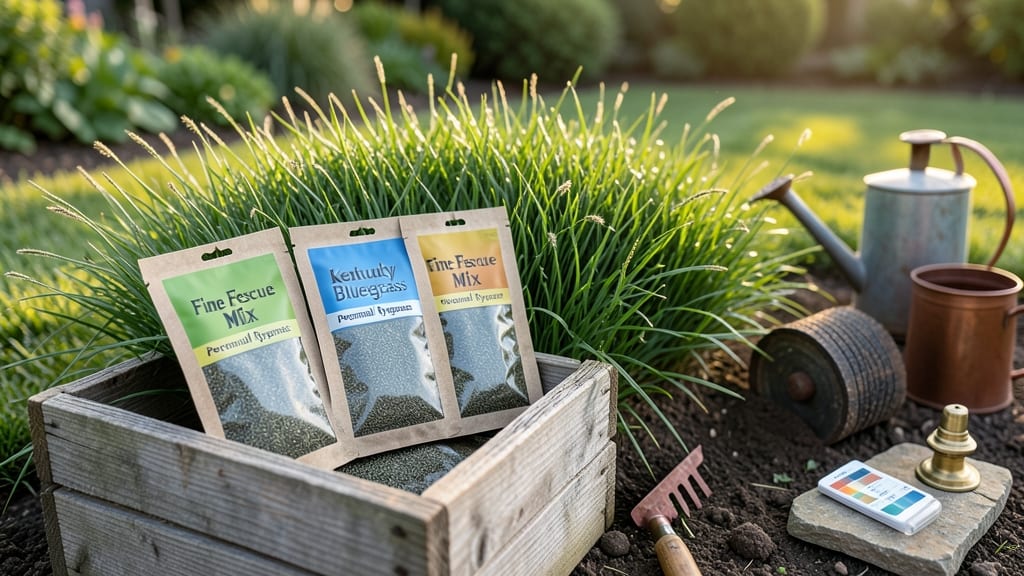
Planting grass seed in South Dakota at the wrong time can turn your dream lawn into a patchy, weak mess—especially when frost sneaks in unexpectedly.
The key to success lies in those narrow windows between late August and early October or early April and mid-May, when soil temperatures are just right for strong root growth.
I’ve seen too many lawns fail because of rushed planting or ignoring the 4a-5b zone guidelines. South Dakota’s climate throws curveballs—drought, late frosts, and variable rainfall—but with the right timing, you can outsmart Mother Nature.
Let’s break down exactly when to plant for a thick, resilient lawn that survives winters and thrives in summer.
Whether you’re tackling a new yard or repairing bare spots, understanding your region’s frost dates and soil conditions is non-negotiable. I’ll walk you through the best months, how to prep your soil, and what to watch for after planting to ensure your grass seed doesn’t just survive—it flourishes.
Ready to skip the guesswork? By the end, you’ll know exactly when to plant, how deep to sow, and how to keep your grass lush year-round—no matter how unpredictable South Dakota’s weather gets.
South Dakota grass seed planting timeline: best months by climate zone
South Dakota’s three distinct climate zones—Eastern, Western, and Black Hills—each demand slightly different timing for grass seed planting. Fall planting (late August to early October) is ideal because cooler temperatures reduce weed competition and drought stress, while spring planting (early April to mid-May) gives grass a head start before summer heat arrives.
Missing these windows can lead to weak germination or failed establishment.
Your USDA Zone 4a-5b classification means frost dates vary, but most regions experience their last frost around May 15 and first frost by October 1. Planting too early risks frost damage, while waiting too long exposes seedlings to summer drought.
Let’s break down the best months for each zone to maximize your success.
🌱 South Dakota’s Climate Zones & Planting Windows
| Zone | Best Planting Window | Soil Temp Threshold | Key Consideration |
|---|---|---|---|
| Eastern SD (Zone 4b-5a) | Late April - Early May (spring) or Late August - Early September (fall) | 50-65°F (10-18°C) | Higher rainfall; watch for late spring frosts. |
| Western SD (Zone 4a-5a) | Early May - Mid-May (spring) or Early September - Mid-September (fall) | 55-65°F (13-18°C) | Drier conditions; prioritize irrigation. |
| Black Hills (Zone 4a-5b) | Mid-May (spring) or Late August - Early October (fall) | 50-60°F (10-15°C) | Cooler microclimate; extend fall window. |
For Eastern South Dakota, where moisture levels are higher, late April to early May or late August to early September are your sweet spots. The region’s USDA Zone 4b-5a classification means you can push fall planting slightly later, but avoid waiting past September 15 to prevent winter kill.
I’ve had the best luck with tall fescue in this zone because it tolerates cooler soils and holds up against late frosts.
In Western South Dakota, drought is a bigger threat, so early May to mid-May (spring) or early September to mid-September (fall) are critical. The Zone 4a-5a classification here means soil warms faster, so don’t delay planting past May 15 or you’ll risk summer heat stress.
I recommend buffalo grass or blue grama for their drought resilience in these conditions.
The Black Hills offer a unique microclimate with cooler temperatures, extending your fall planting window to early October. Aim for mid-May in spring or late August in fall, as the Zone 4a-5b designation means frost lingers longer.
I’ve seen Kentucky bluegrass thrive here with proper fall fertilization, as it establishes deeper roots before winter.
Regardless of zone, soil temperature is your best guide. Use a soil thermometer to confirm readings between 50-65°F. If temperatures dip below 50°F, germination slows dramatically.
In my experience, fall planting always yields stronger roots because the grass focuses on establishing itself before winter, rather than competing with summer weeds or heat stress.
Pro tip: Check your local cooperative extension office for last frost dates specific to your county—these can vary by 1-2 weeks even within the same zone.
For example, Pierre might have a later frost than Sioux Falls, so adjust accordingly. Overseeding in fall is also a great way to fill thin patches, but do it 6-8 weeks before first frost to allow roots to strengthen.
Finally, avoid planting in summer (June-August) unless you’re in a high-elevation area with consistent moisture. The combination of heat, drought, and weed pressure makes summer planting a gamble. Instead, use this time to prep your soil or overseed cool-season grasses like ryegrass for a lush spring lawn.
Timing your grass seed planting right in South Dakota isn’t just about months—it’s about soil temperature, frost risk, and regional microclimates. By following these zone-specific guidelines, you’ll give your lawn the best chance to germinate strong, establish deep roots, and survive South Dakota’s harsh winters. 🌱
How to prepare South Dakota soil for grass seed success
South Dakota’s soil can be a double-edged sword—some areas have alkaline or clay-heavy soils that resist grass seed germination. Before planting, I always test my soil using a simple kit from a local garden center.
This tells me whether I need to adjust the pH balance (ideal range: 6.0-7.5 for most grasses). If your soil is too alkaline, a sulfur-based amendment can help lower the pH over time.
Next, I focus on weed control—especially critical in South Dakota’s dry climate where weeds compete aggressively for moisture. I use a pre-emergent herbicide 2-3 weeks before planting to block weed seeds from sprouting.
For organic options, a thick layer of cardboard or newspaper smothered with mulch works wonders. Just ensure it’s fully decomposed before seeding.